 What We Actually Check When We Come Out
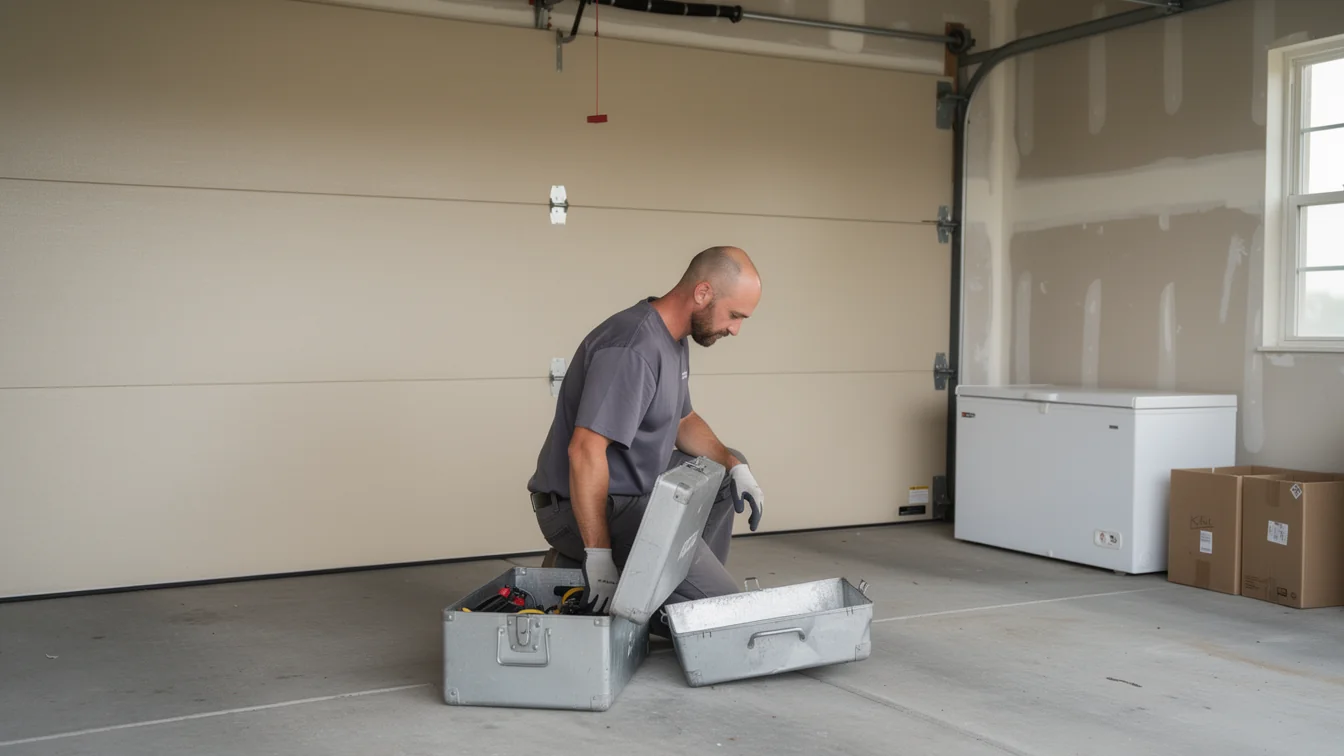
A plain breakdown of what a Garden Grove Garage Door Pros service call actually includes, tied to this city's 1960s-70s housing stock and mild coastal climate.
What to Know Before Buying a Replacement Garage Door in Garden Grove
A guide for Garden Grove homeowners on replacing a garage door that matches the city's 1960s-70s housing stock and mild coastal-valley climate without overpaying.
Local detail
When to Get Help
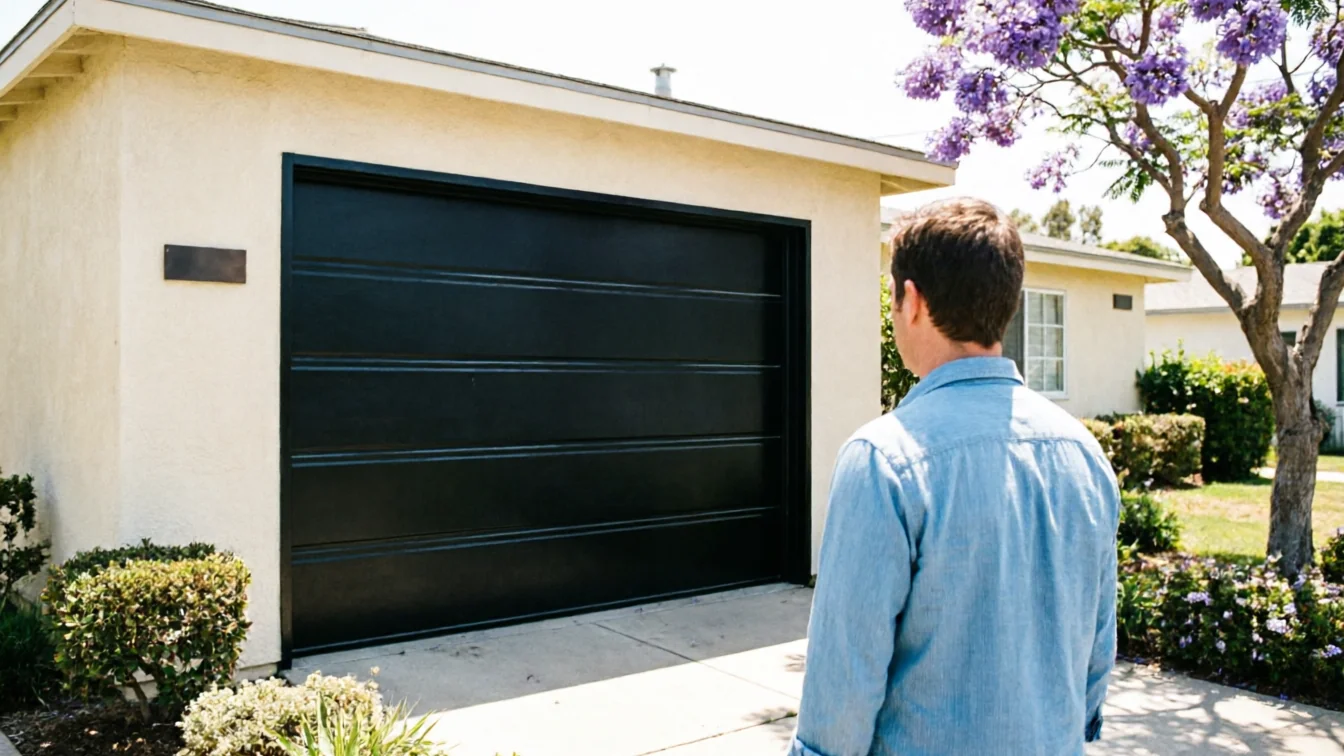
Most houses in Garden Grove went up between 1938 and 1995, with the typical build year sitting around 1966. If your door is still the one that came with the house, it's pushing sixty years old, and the opening behind it was framed to a size nobody cuts anymore. The signal to call isn't always a dead spring or a cable off the drum - sometimes it's a door that still runs but no longer matches anything a supplier stocks. If a panel cracks on a door like that, special-ordering one replacement panel can cost close to what a new door runs, and the fit still won't be exact because the old track and jamb were never standardized to begin with.
Get a measurement and a quote before the door actually fails. A dead spring on a Saturday means you take whatever's on the truck. A planned replacement means you can match the real opening - width, height, and track clearance - instead of forcing a stock size into a 1960s frame built before stock sizes existed. If the door still opens and closes but sounds rough or sags at the corners, that's the window to plan, not wait.
The area
What Local Conditions Do
Garden Grove sits in a mild temperate climate band. That cuts both ways for door buying. You're not shopping for a door that has to survive hard freezes or carry snow load, so some of the heavier insulated residential doors sold for colder regions are overbuilt for what this area needs - you're paying for an R-value you'll rarely use. On the other hand, mild doesn't mean gentle. Steady sun exposure on a south- or west-facing garage wears paint and finish on cheaper doors faster than owners expect, especially on the thinner single-layer steel and hardboard doors that were common when this housing stock was built in the 1960s and 70s.
The practical upshot: a mid-grade steel door with a baked finish holds up here better than either extreme - the heavy insulated door built for snow country or the bargain hollow door with a thin coat of paint. You don't need the first one's R-value and the second one won't last through a decade of sun without fading or warping at the seams.
What we find
The Problem
The real issue with buying a replacement door in a city built mostly across the 1960s and 70s is the opening itself, not the door. Track hardware, header clearance, and jamb width on houses from that era were set by builders working from different standards than what's used today. A stock 16-foot double door and matching track assume a modern rough opening. Plenty of Garden Grove garages built in that window are narrower, or have less headroom above the opening than current torsion spring setups want.
Buy the door first and measure later, and you end up trimming jambs, adding a header extension, or discovering the spring system doesn't fit the drum size the new door needs. None of that is expensive on its own, but stacked together it turns a straightforward swap into a half-day job with parts nobody had on the truck. The fix is simple but gets skipped constantly: measure the actual opening, including headroom and side clearance, before anything gets ordered.
How we work
Where People Go Wrong
The most common mistake is ordering by the door's nominal size - '16x7' - without checking the real opening on a house from this era, then assuming a national big-box listing will fit a Garden Grove tract home the same way it fits a newer build elsewhere. The second mistake is buying on insulation rating alone. In a mild climate, R-value matters far less than it does in places with real winters, so paying extra for a heavily insulated door often buys noise dampening and a bit of dent resistance, not meaningful energy savings.
We don't install custom wood doors - that's a job for a millwork shop, not a standard swap-out crew, and we'll tell you that upfront rather than quote something we'd be learning on your garage. For everything else, the fix is ordering off a real measurement of your opening, not the box label on the showroom floor, and picking a door grade that matches what the climate actually demands instead of what a salesperson upsells.
Questions
Common questions
Will a standard 16-foot double door fit my Garden Grove garage?
Not always. Houses here were mostly built between the 1960s and 70s, before today's stock sizes were standard, so openings can run narrower or have less headroom than a modern 16-foot double door and torsion setup expect. Measure the actual opening - width, height, and clearance above the door - before ordering anything.
Do I need an insulated door in Garden Grove's climate?
Probably not a heavy one. The area sits in a mild temperate band without hard freezes or snow load, so the insulated doors built for colder regions mostly add weight and cost without much payoff here. A mid-grade steel door with a solid finish is usually the better buy.
Do you build or install custom wood garage doors?
No. That's millwork, not a standard door swap, and we'd rather send you to someone who does it regularly than take on a job outside what we do well.
Recommendation
You Might Also Like
More garage door guides for Garden Grove homeowners.
What We Actually Check When We Come Out
A plain breakdown of what a Garden Grove Garage Door Pros service call actually includes, tied to this city's 1960s-70s housing stock and mild coastal climate.
 Detached and Attached Garages Fail Differently Here
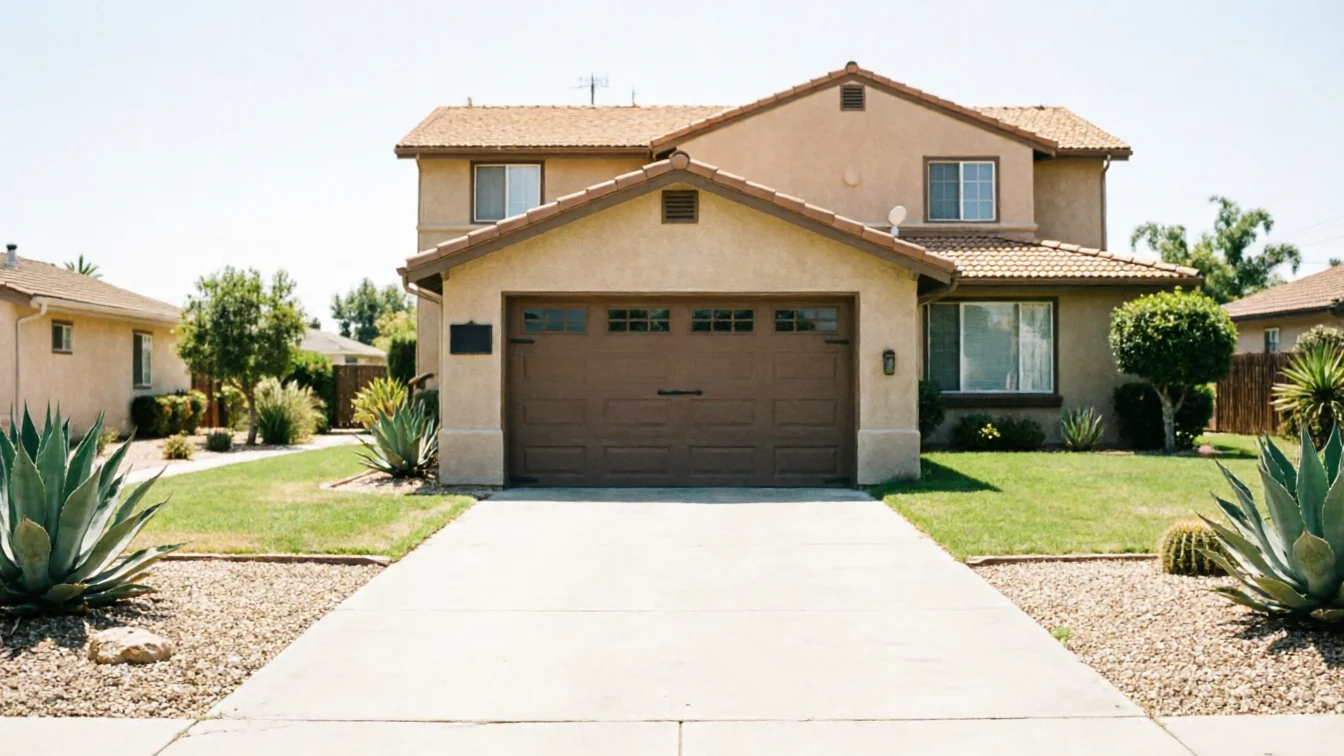
Garden Grove's housing stock runs 1938-1995, and that era split the city between detached garages and attached ones.
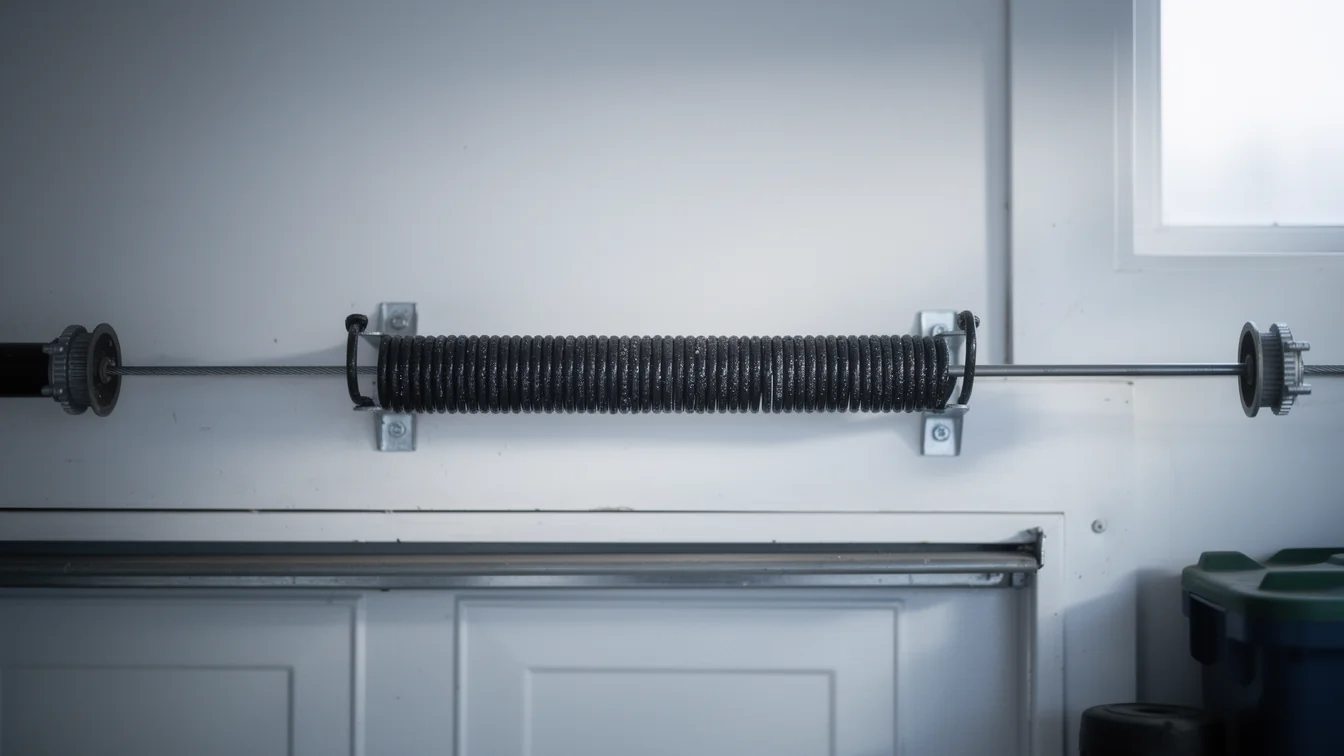 When a Spring Goes in Cold Weather in Garden Grove
Garden Grove's 1960s-70s housing stock means original torsion hardware is decades old.
Ready when you are
Need a garage door sorted in Garden Grove?
Garden Grove Garage Door Pros repairs and installs garage doors, springs and openers in Garden Grove, CA and the surrounding area.