 What an Older Garage Door Is Worth Fixing in Garden Grove
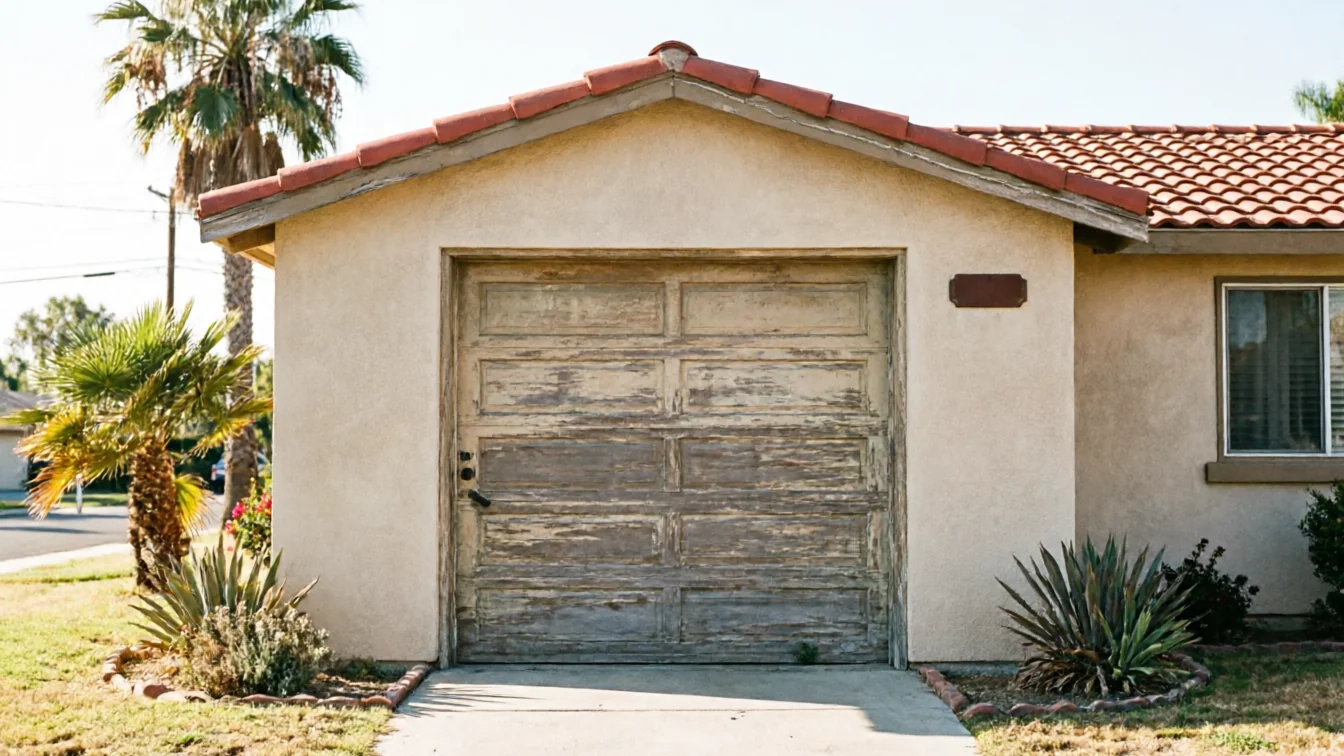
Garden Grove homes mostly date to the 1960s and 70s.
Knowing When a Repair Isn't Worth It Anymore
Garden Grove homes mostly date to the 1960s and 70s. Here's how to tell when another repair is throwing money at a door that's done.
Local detail
When to Get Help
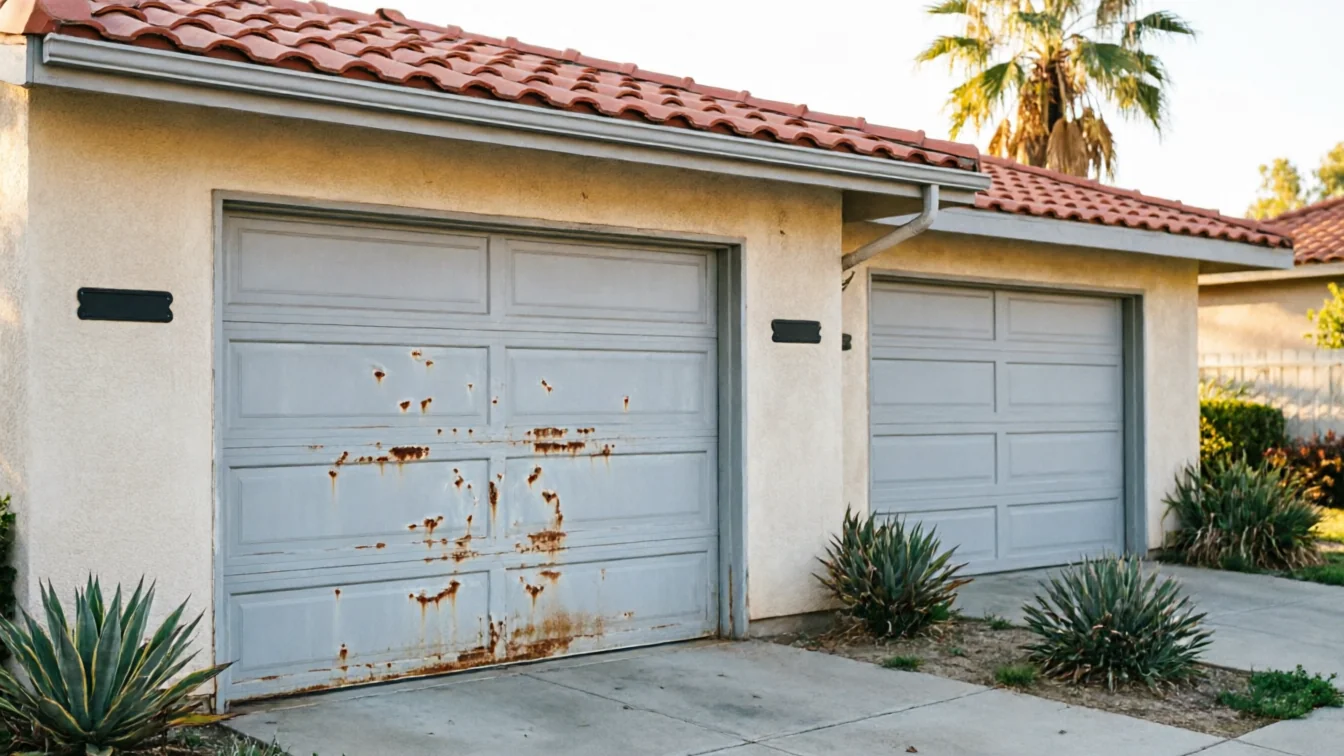
If your door is sagging on one side, if the opener grinds before it lifts, or if you're replacing the same roller every few months, that's the point to call rather than patch it again. A lot of the doors we look at in Garden Grove are original to houses built between 1938 and 1995, with the median build year around 1966. That means the hardware under a lot of these doors is decades past its intended service life even if it still technically opens. Once a torsion spring on one of these older systems snaps, the drum, cable, and sometimes the shaft show wear too, and replacing just the spring often means doing the same job again within a year. We'll tell you straight when a single-part fix makes sense and when it doesn't - we don't push a full door on someone who just needs a new spring, but we also won't sell you a third roller kit on a track that's already bent.
The area
What Local Conditions Do
Garden Grove sits in a mild temperate band, so we don't get the freeze-thaw cracking or flash rust that chews through hardware in colder climates. That's good news in one sense - springs and cables here tend to fail from cycle fatigue and age, not corrosion. But it also means a door can look fine on the outside for years while the torsion spring quietly loses tension, right up until it lets go. Owners here often don't get the early warning signs - visible rust, peeling paint on steel panels - that homeowners in wetter climates see. The mild weather hides the clock running out on old equipment. That's part of why original 1960s and 70s doors are still common across the service area's 57 named neighborhoods instead of having been swapped out after storm damage the way they might be elsewhere.
What we find
The Problem
With 286,259 owner-occupied houses across this service area and most of the stock built in that 1938-1995 window, we run into the same situation constantly: a door and opener that are original or close to it, patched over the years with mismatched parts. Each individual repair is cheap. The pattern of repairs is not. When a door needs a new cable this year, a new roller next year, and the opener's drive gear the year after, you're not fixing a door - you're slowly rebuilding one piece at a time while paying labor three or four times over. At some point the smarter math is a new door and opener installed once, correctly, instead of a fourth service call on the same unit. We won't tell you that on the first visit if one part failure is genuinely isolated - but if we see a pattern, we'll say so.
How we work
Where People Go Wrong
The mistake we see most in Garden Grove is treating every garage door symptom as a standalone fix instead of asking how old the whole system is. With a median household income of $97,712 across the service area, most owners here can afford to replace a door outright once it's earned that - the hesitation usually isn't money, it's not knowing where the line is. The other mistake is comparing notes with a neighbor in Stanton or Westminster whose house went up the same decade and assuming their fix will hold for yours too. Similar age doesn't mean identical wear; a door that's been opened four times a day for fifty years ages differently than one opened once. One honest limit on our end: if a panel is warped or a track is bent beyond a certain point, we're not going to keep bending it back - that's a replacement conversation, not a repair one.
Questions
Common questions
How do I know if my garage door is too old to keep repairing?
If it's original to a house built in the 1960s or earlier - common across Garden Grove's housing stock - and you've had more than one repair in the past couple of years, it's worth getting it looked at as a whole system rather than one more patch. Age plus a pattern of failures is the signal, not any single broken part.
Does Garden Grove's weather wear out garage doors faster?
Not really - the mild temperate climate here is easier on hardware than colder regions with freeze-thaw cycling. The tradeoff is that wear here comes from age and use rather than weather, so there's less visible warning before a spring or cable actually fails.
Is it cheaper to keep fixing an old door than replacing it?
Sometimes, for a single isolated issue. But once you're looking at a third or fourth repair on the same original door, the accumulated labor cost often rivals a new door and opener installed once. We'll tell you honestly which situation you're in.
Recommendation
You Might Also Like
More garage door guides for Garden Grove homeowners.
What an Older Garage Door Is Worth Fixing in Garden Grove
Garden Grove homes mostly date to the 1960s and 70s.
 What That Noise in Your Garage Door Is Actually Telling You
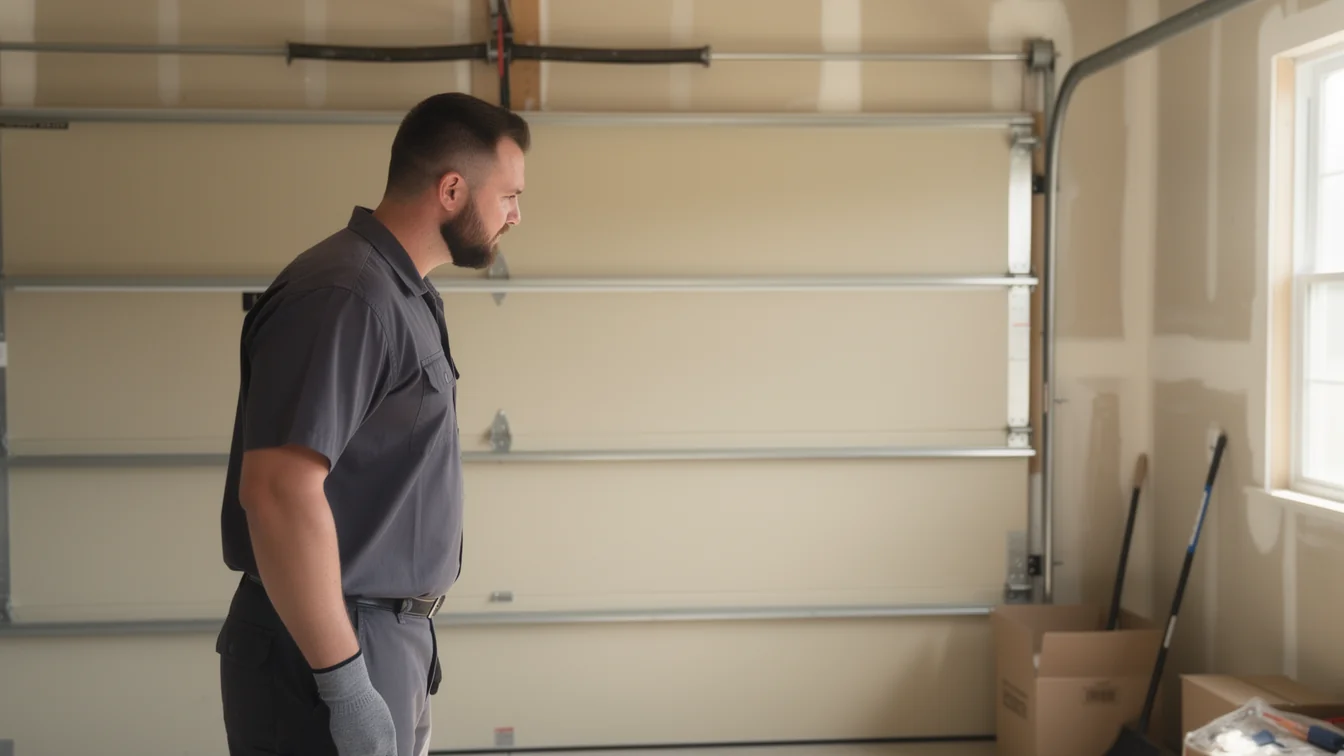
Garden Grove homes mostly date to the 1960s and 70s, which means specific noise patterns point to specific parts.
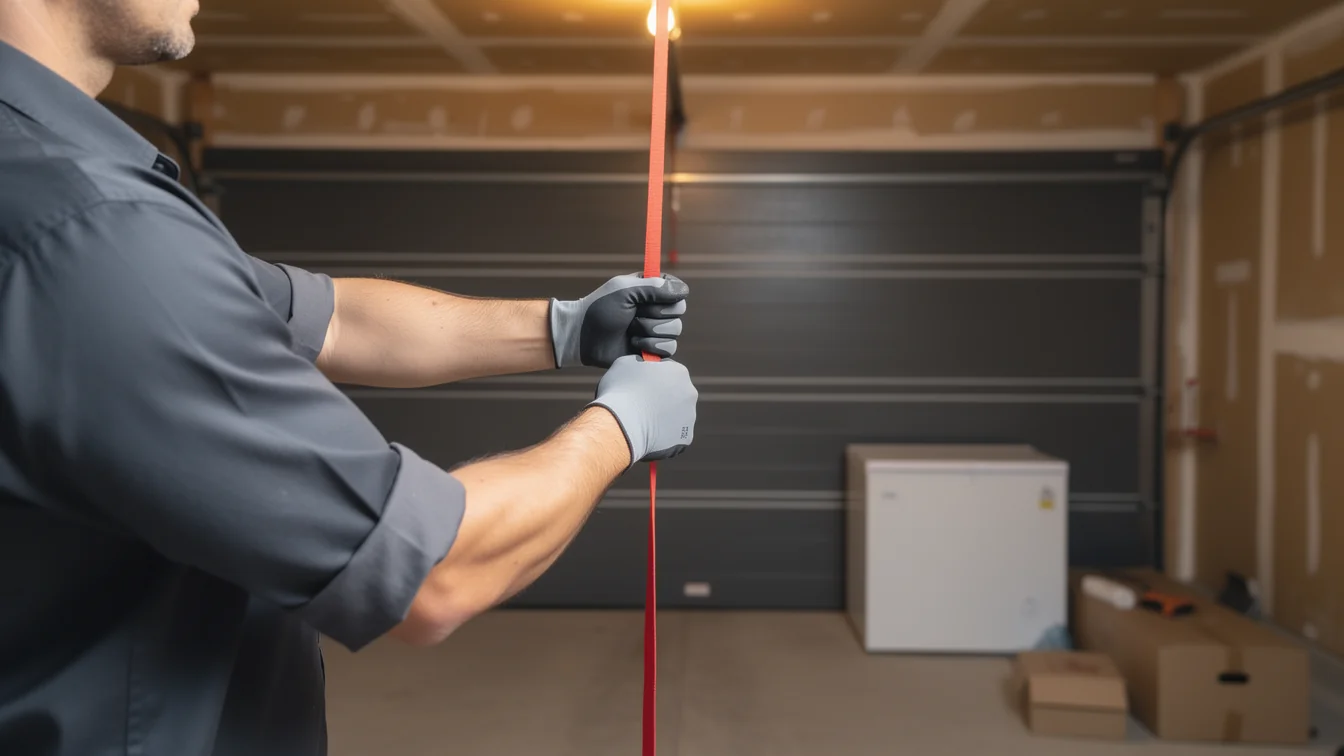 What a Technician Checks First on a Garden Grove Garage Door
Garden Grove homes mostly date to 1966, and the mild climate hides wear differently than it would elsewhere.
Ready when you are
Need a garage door sorted in Garden Grove?
Garden Grove Garage Door Pros repairs and installs garage doors, springs and openers in Garden Grove, CA and the surrounding area.