
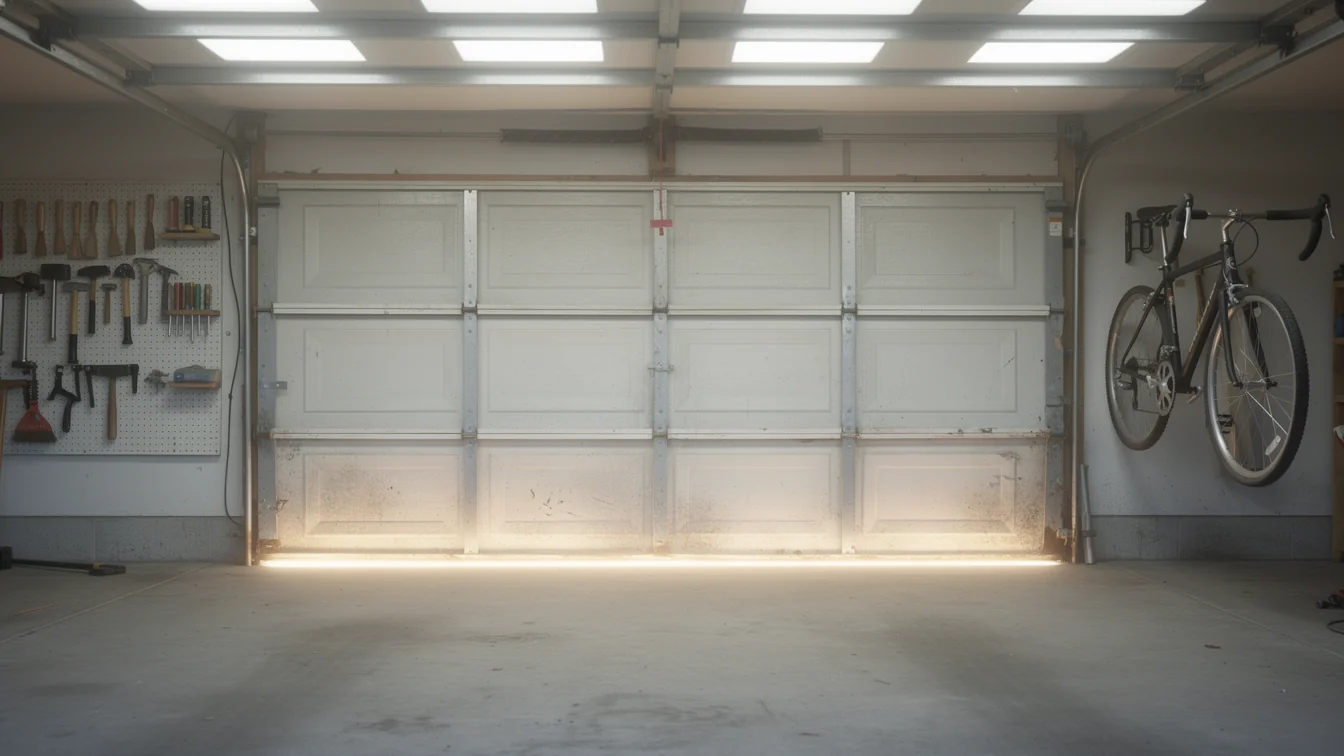
 Why Garden Grove's Older Doors Need Different Care
Garden Grove's housing dates mostly to 1938-1995, and a lot of original doors on these homes went up before insulation standards existed.
Weather Seals and Draughts in Garden Grove Homes
Garden Grove homes built mostly in the 1960s have original seal channels that don't fit today's weatherstripping. Here's what that means for draughts at your door.
Local detail
When to Get Help
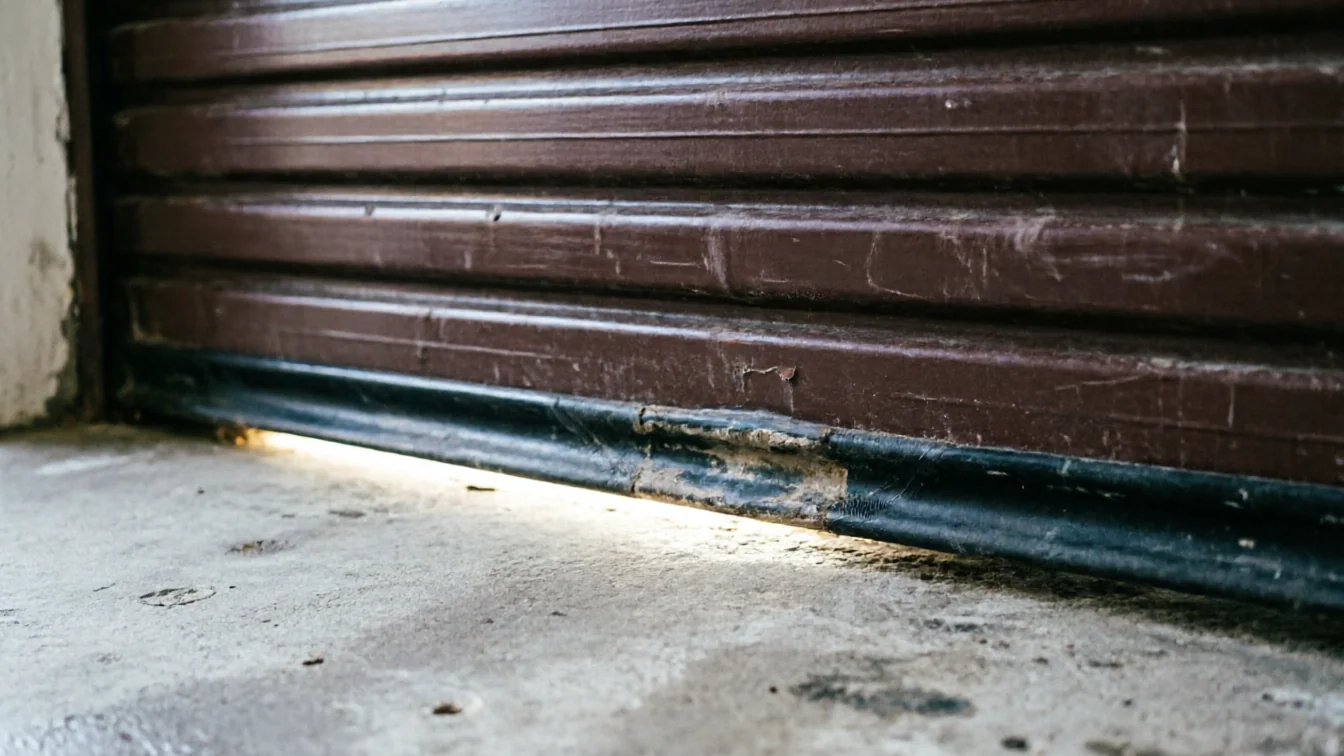
If you feel air moving under your garage door on a still day, the seal has already failed - you don't need a gust to notice it. In Garden Grove, where most housing went up between 1938 and 1995 with a median build year around 1966, the bottom seal channel on a lot of these doors was never sized for the thicker weatherstripping sold today. Homeowners often push a seal replacement back a season or two because the mild temperate climate here doesn't punish a bad seal the way a harsher region would - no hard freeze to crack the rubber overnight, no snow load to force the issue. That's exactly why it gets ignored. A gap that would get fixed fast in a colder town just sits here, letting in dust, light, and the odd determined rodent. Get it looked at once you can see daylight at the bottom corners, once the seal has pulled away from the track on one side, or once you notice the garage floor is damp after a normal rain. Waiting for a dramatic failure isn't necessary - the fix is small when it's caught early and bigger once water's been tracking under the door for a year.
The area
What Local Conditions Do
The climate band here is mild temperate, which sounds like it should be easy on rubber and vinyl seals - and in some ways it is. There's no deep freeze cycling the material hard enough to split it in one winter. But mild and dry doesn't mean static. UV exposure over years, not storms, is what actually breaks down seals in this kind of climate - the rubber goes stiff and shrinks before it ever tears. On a door installed when the neighborhood's stock went in - mostly 1960s and 70s builds across the service area - that seal has likely been replaced once or twice already by a previous owner, often with whatever fit at the time rather than what the track was designed for. That mismatch is the real source of draughts we see, more than age alone. A seal that's the wrong profile for an older track will never close fully, no matter how new the rubber is.
What we find
The Problem
Doors from the 1966 median build era in this area typically have a narrower bottom track than what's standard on seals sold at most hardware counters now. Install a modern universal seal without checking the channel width first, and you get a seal that looks right but doesn't compress evenly along the bottom edge - gaps at the corners, a seal that pops partway out after a few months of opening and closing. On the 57 named areas across this service region that share this 1960s-70s housing stock, that channel mismatch is the most common thing we find when someone calls about a draught they can't explain. It's not usually a torn seal. It's the wrong seal in an old track, doing half the job and looking fine from six feet away.
How we work
Where People Go Wrong
The common mistake is buying a seal by length alone and ignoring the channel profile - an easy mistake, since most retail packaging doesn't mention it. The other is caulking around a bad seal instead of fixing the seal itself, which hides the draught instead of stopping it and traps moisture against the bottom of the door. We'll say plainly: if your door panel itself is warped or rusted at the base, a new seal won't fix the draught - that's a panel problem, not a seal problem, and no amount of weatherstripping closes a gap caused by a bent edge. In that case replacing the bottom section, or the door, is the honest answer, not another seal. We don't stock every channel profile on the truck for every build era, so older or unusual tracks sometimes mean a short wait on the right part rather than a same-visit fix.
Questions
Common questions
Why does my garage door let in a draught even though the seal looks new?
It's usually a channel mismatch. Houses here built around the 1960s median often have a narrower bottom track than what current seals are shaped for. A new seal pressed into an old channel can look fine but not compress evenly, leaving gaps at the corners.
Does Garden Grove's climate wear out seals faster?
Not through cold or storms - the mild temperate climate here doesn't crack rubber the way a freeze would. The slower culprit is UV exposure over years, which stiffens and shrinks seals gradually rather than all at once.
Can I just caulk around a drafty seal instead of replacing it?
You can, but it usually traps moisture against the bottom of the door instead of stopping the draught. If the seal or track is the actual problem, caulk hides it rather than fixing it, and the gap tends to come back within a season.
My door still draughts after a new seal was installed. What's wrong?
If the panel itself is warped or rusted at the base, a new seal can't close that gap - that's a structural issue, not a weatherstripping one. On older stock common to this area, that's worth checking before buying another seal.
Recommendation
You Might Also Like
More garage door guides for Garden Grove homeowners.
Why Garden Grove's Older Doors Need Different Care
Garden Grove's housing dates mostly to 1938-1995, and a lot of original doors on these homes went up before insulation standards existed.
 What That Noise in Your Garage Door Is Actually Telling You
Garden Grove homes mostly date to the 1960s and 70s, which means specific noise patterns point to specific parts.
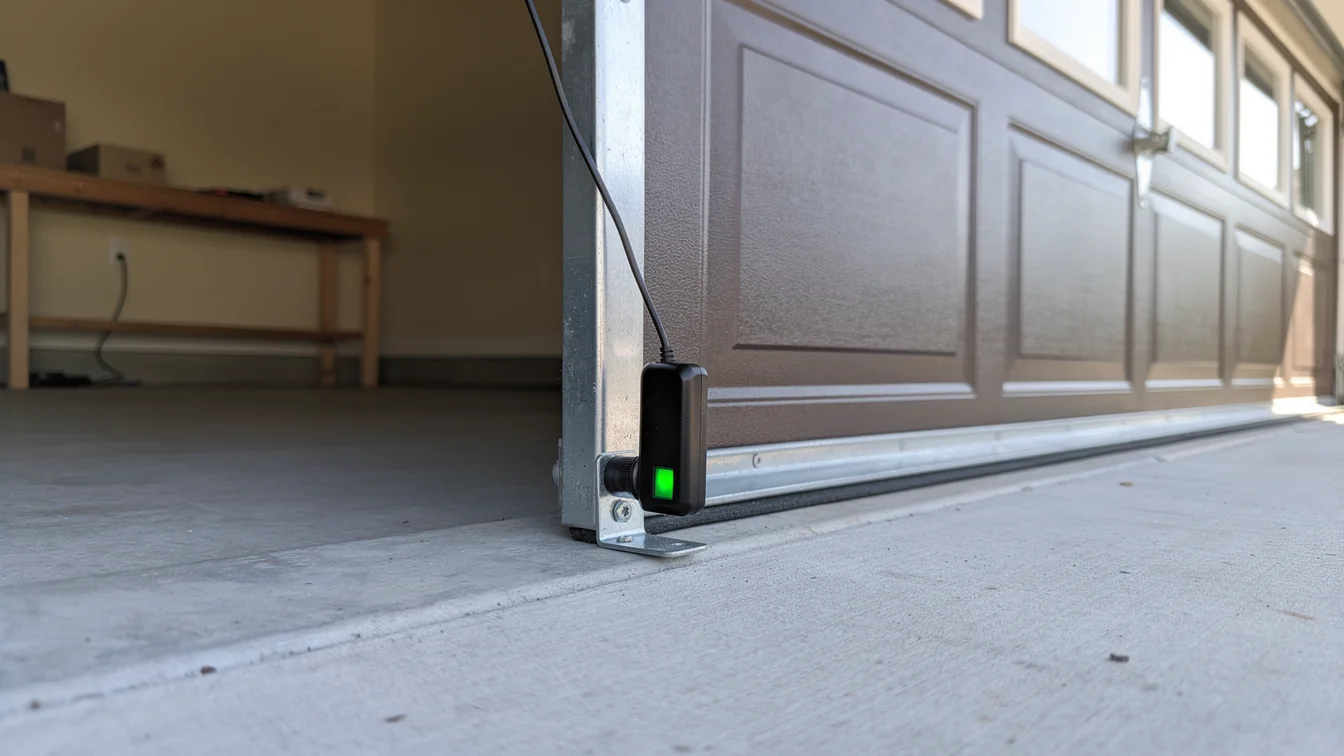 Why Safety Sensors Drift in Garden Grove Garages
Garden Grove homes built 1938-1995 often have sensor brackets that have shifted over decades.
Ready when you are
Need a garage door sorted in Garden Grove?
Garden Grove Garage Door Pros repairs and installs garage doors, springs and openers in Garden Grove, CA and the surrounding area.