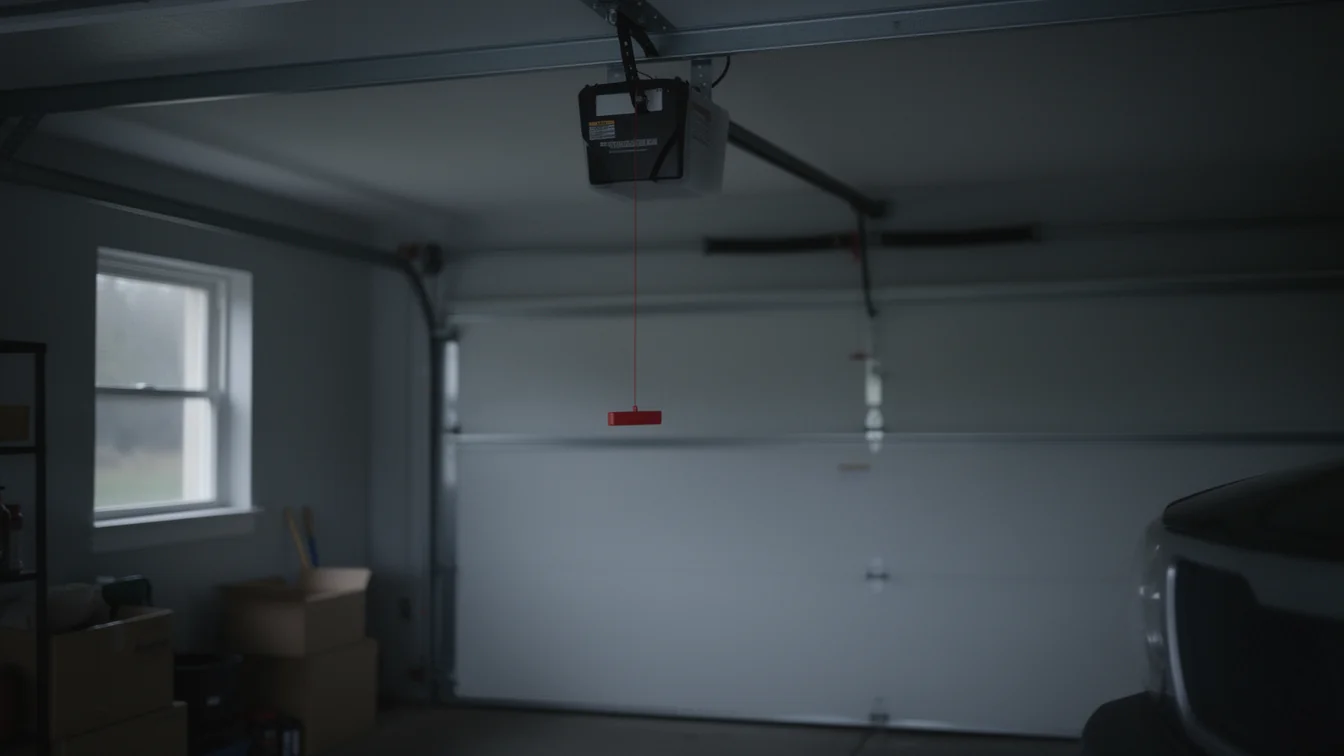
 When the Power Goes Out and Your Opener Won't
Garden Grove's 1938-1995 housing stock means a lot of openers predate battery backup.
When a Spring Goes in Cold Weather in Garden Grove
Garden Grove's 1960s-70s housing stock means original torsion hardware is decades old. Here's why a mild cold snap is often the final straw, not the cause.
Local detail
When to Get Help
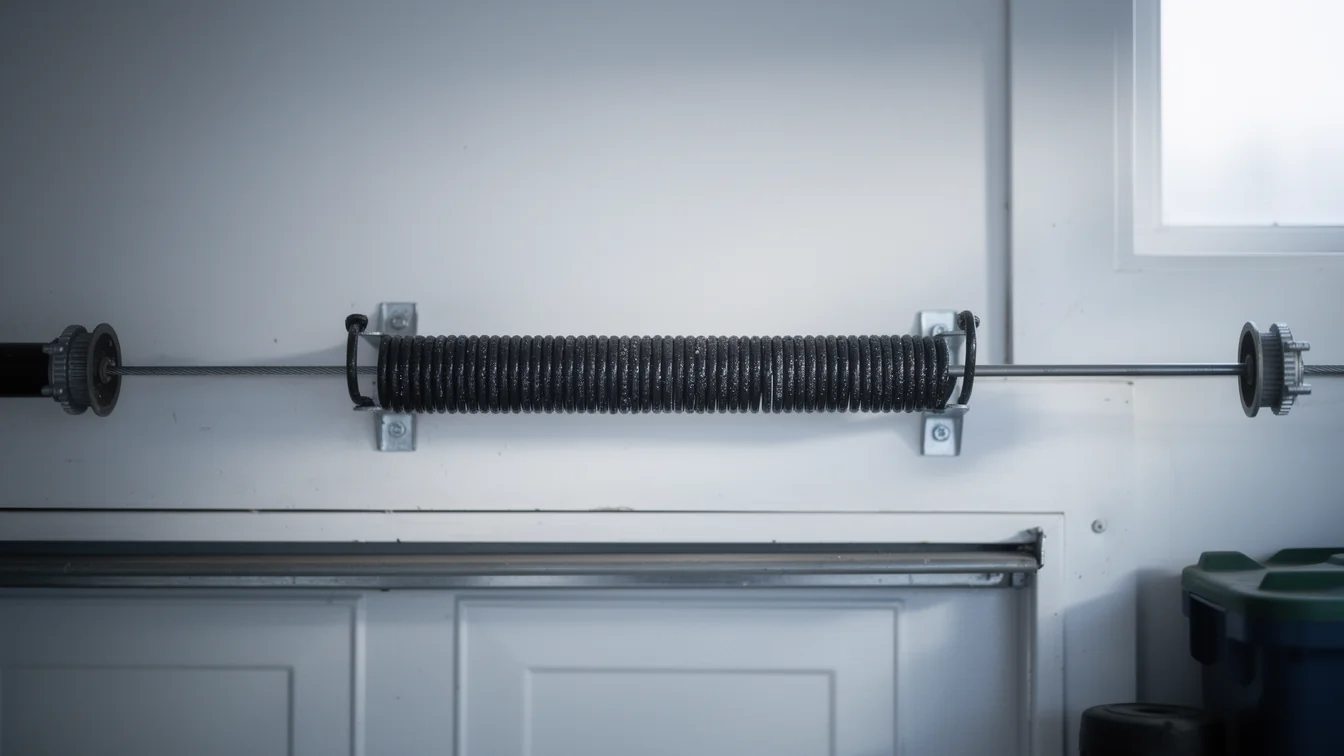
If you hear a bang from the garage and the door won't budge, or budges only with the opener straining and grinding, that's a torsion spring that's let go. Don't try to lift the door by hand and don't run the opener again - a broken spring means the full weight of the door, which on an older single-piece panel can be well over a hundred pounds, is sitting on the cable and the opener's drive gear. Call before you open it again. Garden Grove's housing stock mostly went up between 1938 and 1995, with most of it concentrated in the 1960s and '70s, so a large share of doors in this service area are still running on original or first-replacement torsion springs that are thirty, forty, even fifty years past their install date. That age is the actual risk, more than any single cold morning.
The area
What Local Conditions Do
The climate band here is mild temperate - we don't get the hard freezes that snap brittle steel the way a continental winter does. But mild doesn't mean flat. Steel contracts slightly as the temperature drops overnight and expands again by afternoon, and a spring that's already fatigued from 50-plus years of daily cycling doesn't need much of a push to finish failing. A cooler stretch of nights is often what exposes a spring that was already down to its last few hundred cycles. This is why calls to look at broken springs tend to cluster after a run of cold mornings even in a place that never sees frost - the cold isn't causing the failure, it's catching a spring that was already near the end.
What we find
The Problem
Garden Grove's 57 named areas carry a fairly uniform housing era - median build year 1966 - which means a lot of garages were fitted with hardware sized for lighter, older door panels. Over the decades many of those doors got swapped for heavier insulated panels while the original torsion spring stayed in place, under-rated for the new load. Add a cool night's worth of steel contraction on top of that mismatch and the spring that was already carrying more than it was built for is the one that goes. We see this pattern often enough in homes from that build era that it's worth checking spring size whenever a heavier door replacement is on the table, not after the spring breaks.
How we work
Where People Go Wrong
The common mistake is treating a broken spring as a one-off bad luck event tied to the weather and just swapping the single spring that failed. On a double spring setup, if one side is original-era hardware from a house built in the 1960s or '70s, the other side is the same age and under the same fatigue, and it's usually close behind. Replacing one and leaving the other is a second call waiting to happen, often within weeks. Honestly, if your spring is original to a house from that era, the repair that makes sense is both springs, not one - it costs more up front but saves you a second after-hours call. We don't recommend patching a 50-year-old spring system piecemeal; it isn't worth doing twice.
Questions
Common questions
Why did my spring break on a cold morning if Garden Grove doesn't really get cold?
Our climate is mild, but steel still contracts a little as temperatures dip overnight. On a spring that's already decades old and fatigued from daily use, that small contraction is often enough to be the final stress that breaks it. The cold is the trigger, not the real cause - age is.
My house was built in the 1960s - should I worry about the original spring?
If the spring hasn't been replaced, it's likely original and well past its rated cycle life. That's common across Garden Grove's older housing stock. We'd check it before it breaks, especially if the door panel itself has ever been swapped for a heavier insulated model.
Should I replace one spring or both?
If your springs are the same age - which they usually are on an original 1960s or '70s install - replace both at once. They've taken the same wear, and leaving the second one in place after the first breaks almost always means a second service call soon after.
Recommendation
You Might Also Like
More garage door guides for Garden Grove homeowners.
When the Power Goes Out and Your Opener Won't
Garden Grove's 1938-1995 housing stock means a lot of openers predate battery backup.
 Why Garden Grove's Older Doors Need Different Care
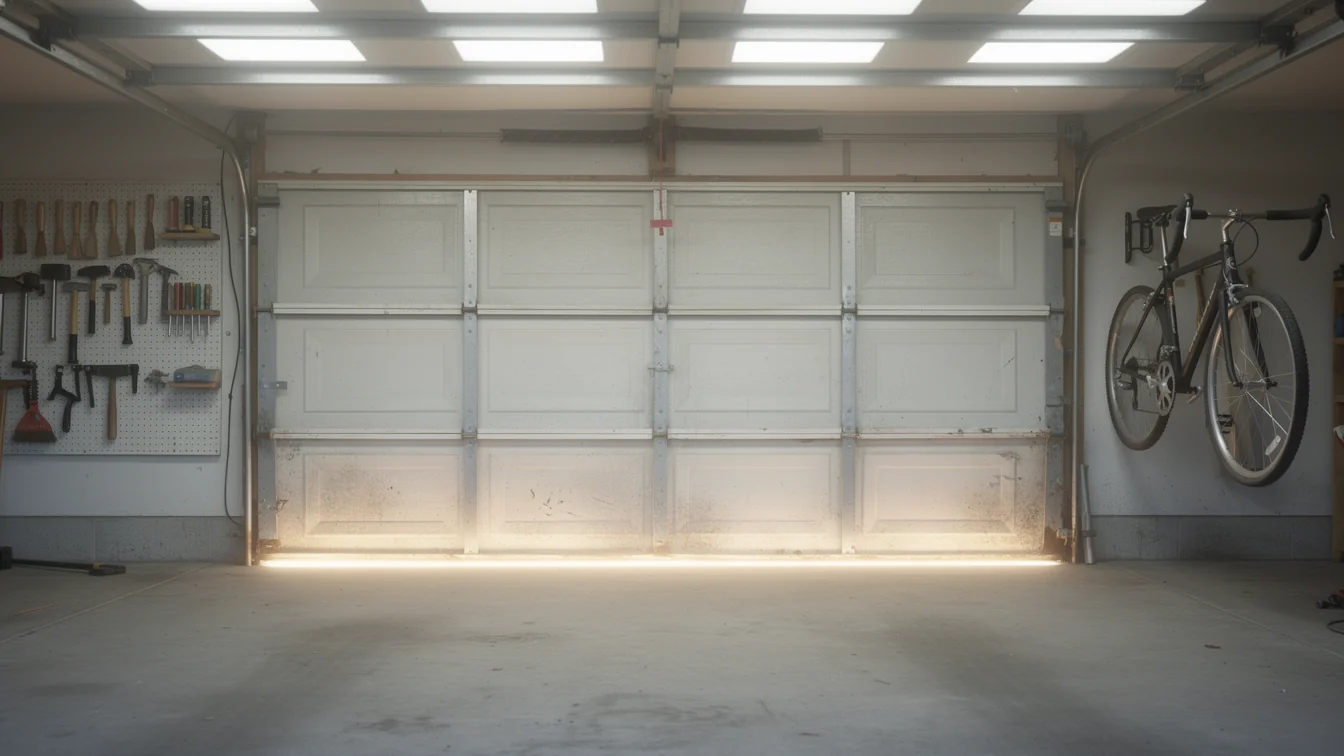
Garden Grove's housing dates mostly to 1938-1995, and a lot of original doors on these homes went up before insulation standards existed.
 Weather Seals and Draughts in Garden Grove Homes
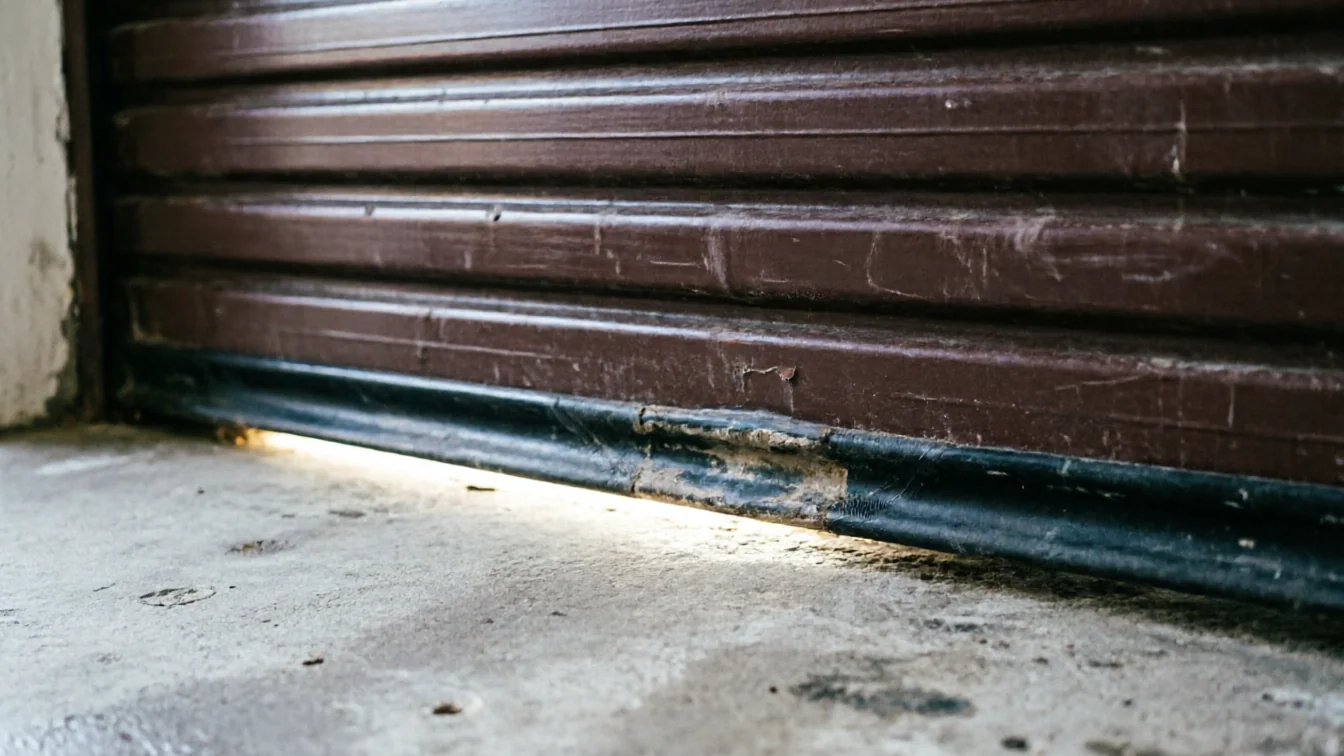
Garden Grove homes built mostly in the 1960s have original seal channels that don't fit today's weatherstripping.
Ready when you are
Need a garage door sorted in Garden Grove?
Garden Grove Garage Door Pros repairs and installs garage doors, springs and openers in Garden Grove, CA and the surrounding area.