
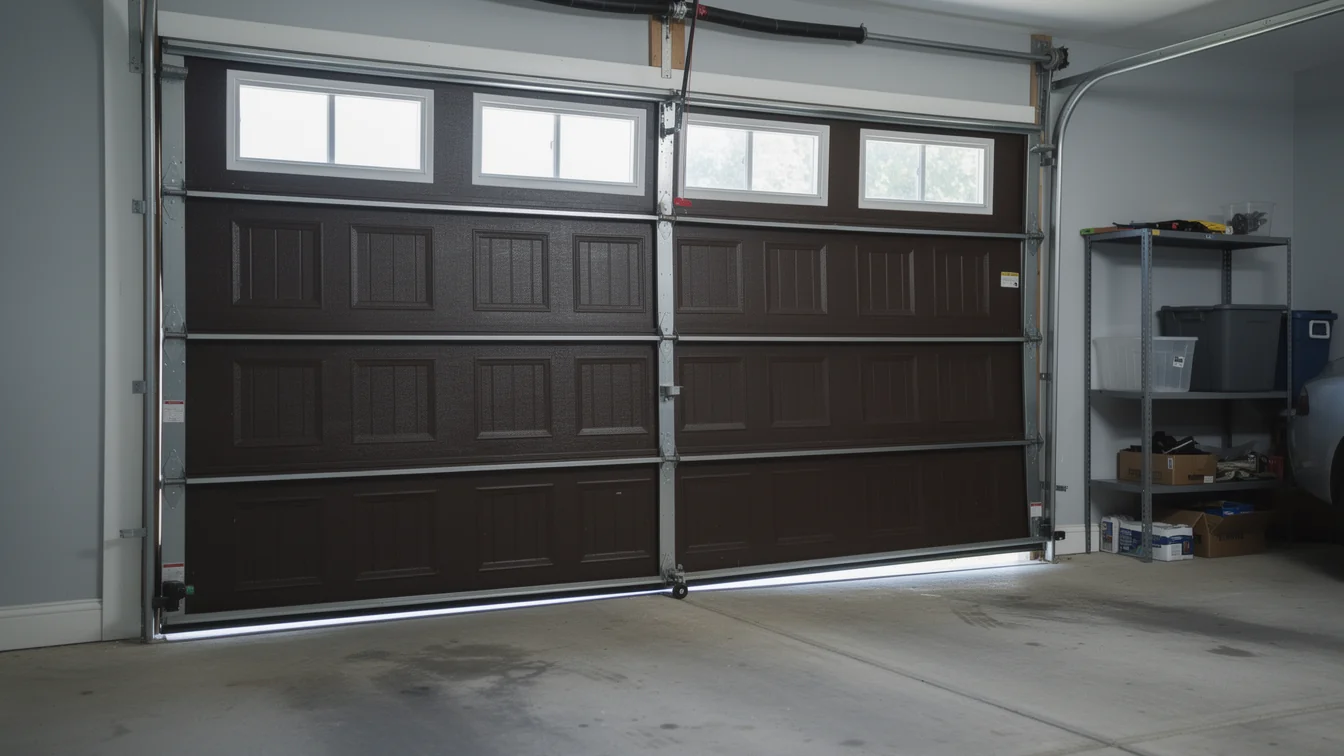
 Off-Track Doors in Garden Grove: What's Really Going On
Garden Grove's 1960s tract garages and mild coastal climate wear tracks differently than newer builds.
What a Technician Checks First on a Garden Grove Garage Door
Garden Grove homes mostly date to 1966, and the mild climate hides wear differently than it would elsewhere. Here's what a technician checks first and why it matters here.
Local detail
When to Get Help
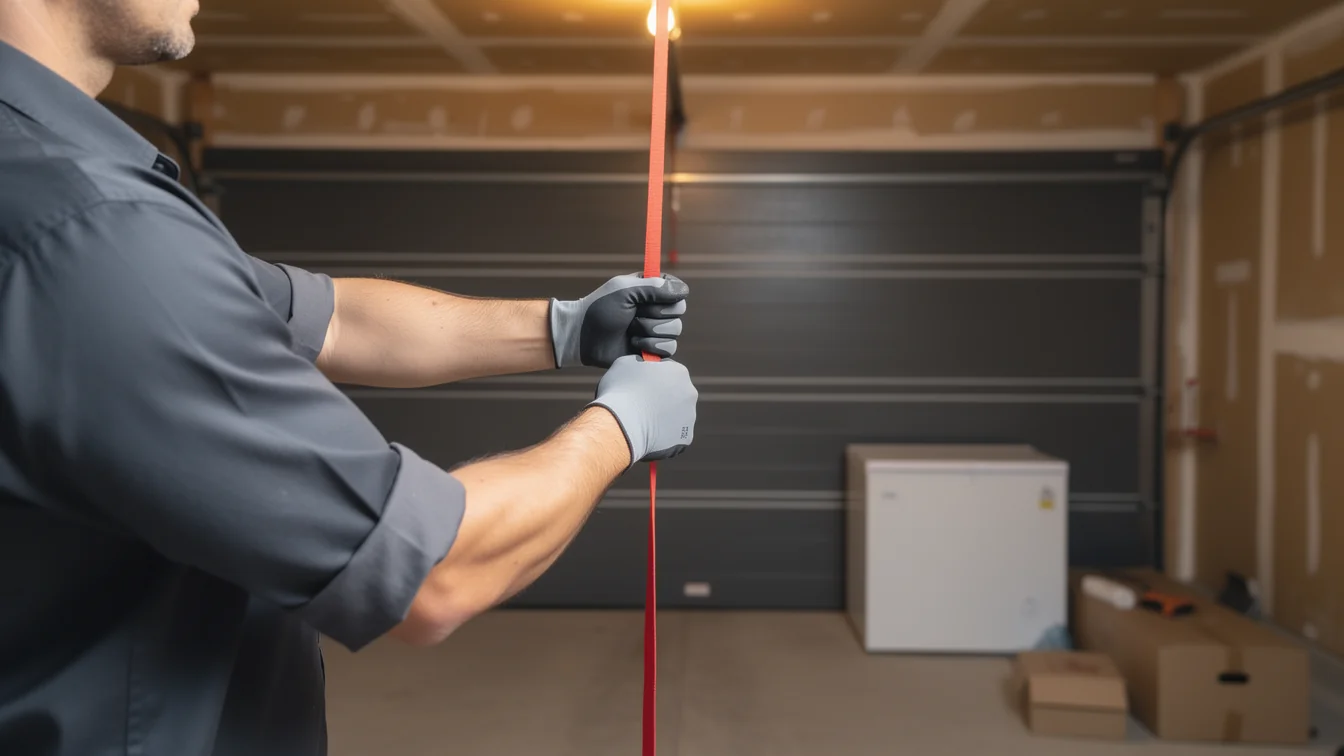
Call before the door stops working, not after. If a Garden Grove home dates anywhere near the neighborhood median of 1966, the torsion spring on that door has had decades to fatigue, and springs don't usually fail with warning noise - they fail mid-cycle. A technician's first move on an older door is a balance test: disconnect the opener, lift the door by hand, and see if it holds at waist height. If it drops or shoots up, the spring is carrying the wrong load for the door's weight, which is common on original hardware from the 1938-1995 building window this area sits in. Grinding, popping, or a door that slams the last foot of travel are all signs the spring or cable is close to done. Waiting on any of those doesn't save money - it usually turns a spring job into a spring-plus-track job once a cable snaps and the door drops crooked. If your door is original to a 1960s build and has never had the springs swapped, that's reason enough to get it looked at, not just when something sounds wrong.
The area
What Local Conditions Do
Garden Grove sits in a mild temperate band, which changes what fails and in what order compared to a place with real freeze-thaw cycles. We're not dealing with ice-cracked panels or tracks seized by frost. What we see instead is slower and quieter: lubricant that's dried out from years of warm, dry stretches, rubber weatherstripping that's gone brittle and cracked from UV exposure rather than cold, and bearings that have run dry because nobody re-greased them in a climate that never forced the issue the way a harsh winter would. A tech checks the end bearing plates and roller bearings for this kind of wear first, because in this climate it's usually the cause of a noisy door long before the opener or the springs are the problem. The honest limitation here: we can tell you what the mild climate does to seals and lubrication, but we don't have local data on anything beyond that - no rust studies, no salt-air corrosion numbers for this specific service area, so we won't make claims we can't back with a number.
What we find
The Problem
A large share of the housing across Garden Grove and the 57 named areas nearby went up in the 1960s and 70s, and builders in that window mostly installed the same style of torsion spring setup - often a single spring sized to the door's weight at installation, with no separate safety cable backing it up the way current code expects. Fifty-plus years on, that spring has gone through more open-close cycles than it was rated for, and the lack of a backup cable means a snap can let the whole assembly come down with nothing to catch it. This is the actual problem on most older jobs here: not a broken opener, not a bad remote, but original torsion hardware that was adequate when the house was new and isn't now. A technician checks the spring's wind count and wire gauge against the door's actual weight first, because on a 1960s door those two numbers are often mismatched by a surprising margin.
How we work
Where People Go Wrong
The most common mistake is treating a quiet mild-climate neighborhood as a sign the door is fine. Without obvious weather damage - no cracked panels from frost, no rust streaks from salt - homeowners assume a slow, stiff door is just old age and keep using it past the point where the spring is actually near failure. The second mistake is DIY spring adjustment. Torsion springs under tension are not a job for a winding bar bought that morning, and on an original 1960s-era setup with no safety cable, a slip does real damage to a person, not just the door. The honest call here: if your door is original to a 1966-era build and has never been serviced, replacement of the spring and cable system is usually the right move over a patch repair, because the rest of the hardware is at the same age and the next failure is just a matter of which part goes first.
Questions
Common questions
How do I know if my garage door spring is original to the house?
If the house was built in the mid-1960s and the spring has never been replaced, it's original. A tech can confirm by checking the wind pattern and wear on the spring coils, and will usually also check whether a safety cable is present - older installs in this area frequently don't have one.
Does Garden Grove's weather affect garage doors much?
Not in the dramatic way cold climates see. There's no freeze-thaw cracking or ice-jammed tracks here. What the mild climate does instead is dry out lubricant and make rubber seals brittle over time from sun exposure, which shows up as noise and stiff movement rather than sudden failure.
Is it worth repairing an original 1960s door or replacing it?
Depends on what's failing. If it's just the spring and cable, repair makes sense. If the panels are original too and the whole assembly is showing age at once, replacing the door often costs less over time than repeated repairs on parts this old.
Recommendation
You Might Also Like
More garage door guides for Garden Grove homeowners.
Off-Track Doors in Garden Grove: What's Really Going On
Garden Grove's 1960s tract garages and mild coastal climate wear tracks differently than newer builds.
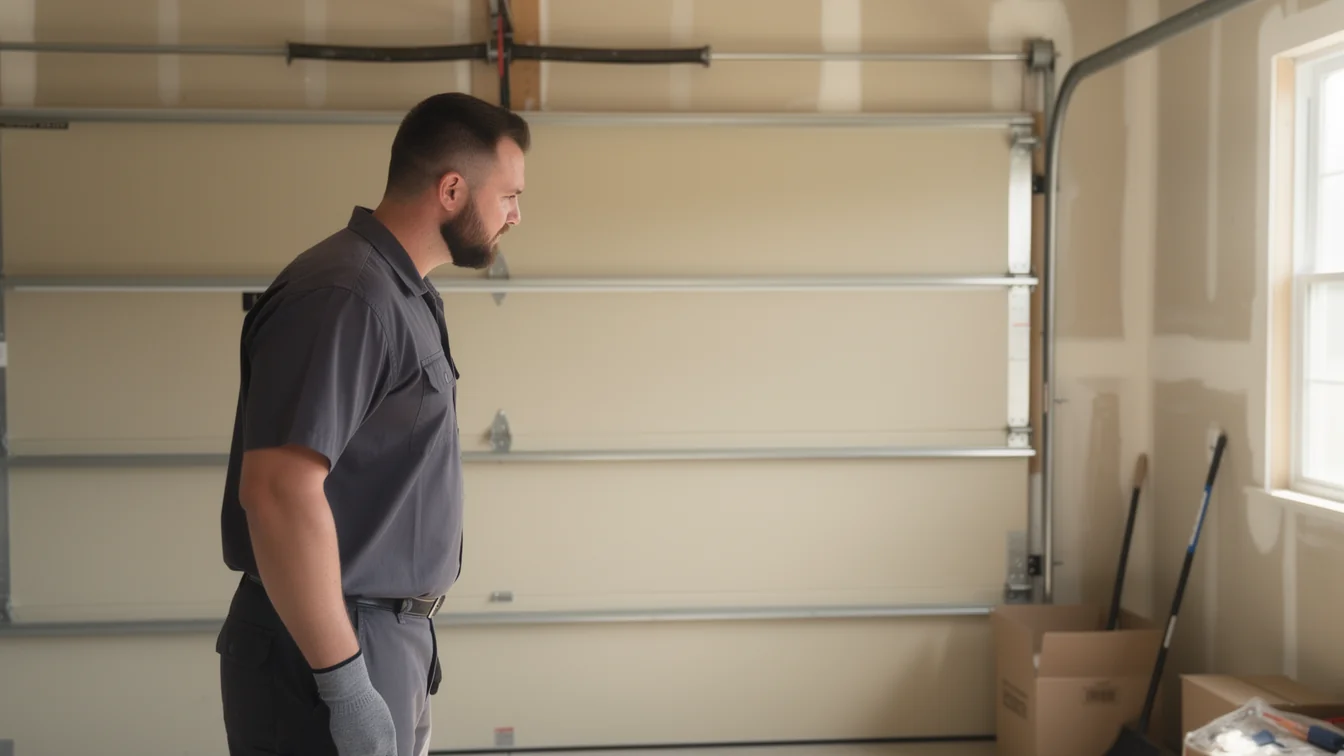 What That Noise in Your Garage Door Is Actually Telling You
Garden Grove homes mostly date to the 1960s and 70s, which means specific noise patterns point to specific parts.
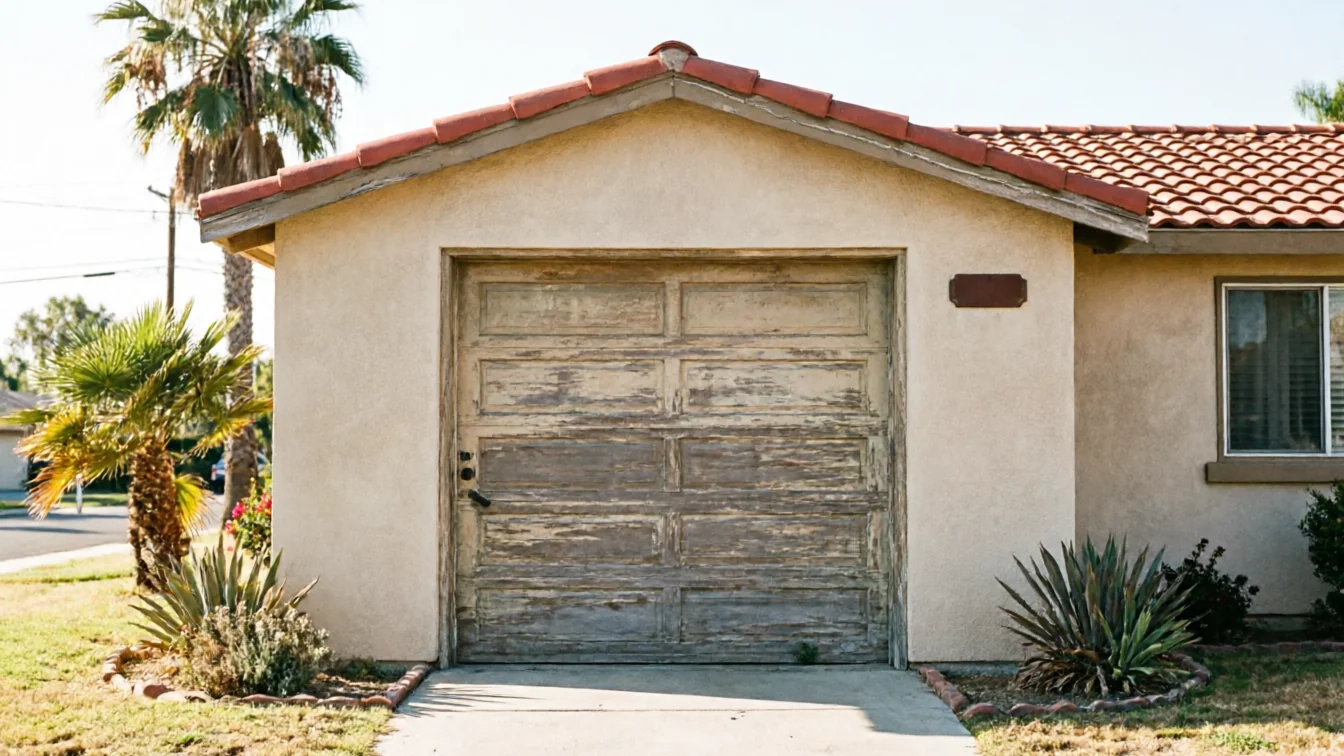 What an Older Garage Door Is Worth Fixing in Garden Grove
Garden Grove homes mostly date to the 1960s and 70s.
Ready when you are
Need a garage door sorted in Garden Grove?
Garden Grove Garage Door Pros repairs and installs garage doors, springs and openers in Garden Grove, CA and the surrounding area.