Garden Grove, CA
Garage Door Service for Garden Grove's 1960s and 70s Housing Stock
Garage door service for Garden Grove homes built mostly in the 1960s and 70s - original hardware, worn rollers, and springs sized for doors that are decades old.
The Symptom
The door still goes up and down, but it's loud now - a grind or a bang partway through the cycle, sometimes a jump where it looks like it skipped a track section.
Straining, pausing opener
Or the opener strains on the way up, pauses, then finishes the job like it's thinking it over. Neither of these means the door is dead. It usually means the rollers, hinges, or spring are at the end of a long service life and the opener is compensating for friction it shouldn't have to fight.
Slow, gradual noise increase
A lot of Garden Grove homeowners call us describing this exact pattern: the door 'used to be quieter' and nobody did anything different, it just got louder over a few months. That gradual change, not a sudden failure, is the signature of wear rather than damage.
Whole-system check, not lube
We look at the whole system - track alignment, roller condition, spring tension - because treating the symptom (lube the noisy part) without checking the cause (worn roller riding a track that's shifted slightly) just buys you a few quieter weeks before it's back.
What Causes It Around Here
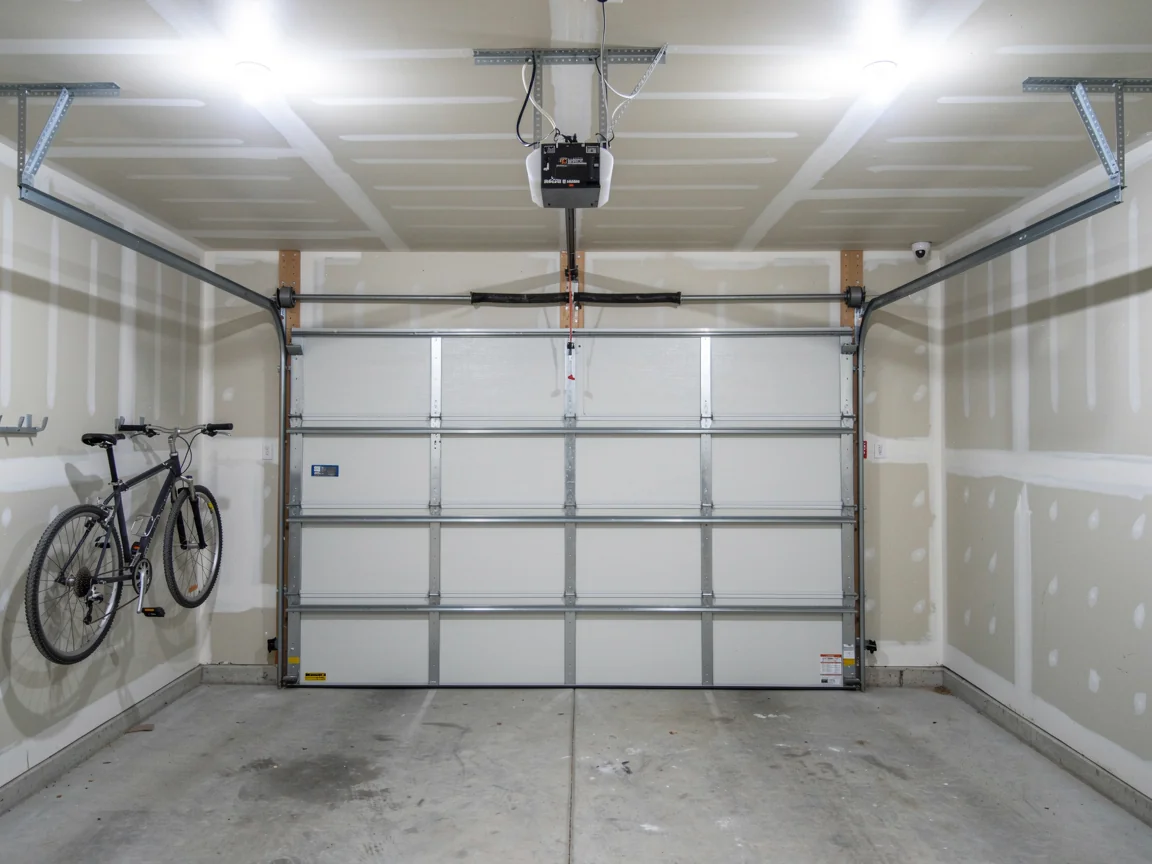
Most houses on this side of Garden Grove and the nearby pockets we work - Stanton, Westminster, Midway City, Cypress - went up between 1938 and 1995, with the bulk of that stock dating from the 1960s and 70s. That means a lot of original or first-replacement garage door hardware: steel tracks, roller setups, and torsion springs that are now 40 to 60 years into a mechanism rated for a certain number of cycles, not a certain number of years. Spring fatigue and roller wear are cumulative - every open and close counts against the total, and a door from that era has had a lot of them. The mild coastal climate here works in your favor in one way: you're not dealing with the freeze-thaw cracking or extreme humidity swings that chew through seals and wood jambs in other parts of the country. But mild weather doesn't stop a spring from reaching its cycle limit or a track that's never been reset from drifting out of plumb over decades of settling. So the failure mode here isn't weather damage - it's straightforward mechanical fatigue in hardware that's simply old, on houses that are simply old.
The DIY Question
You can grease hinges and rollers yourself - a short burst of the right lubricant on the moving metal parts, not the track itself, will quiet things down short-term and it's worth doing.
Torsion spring stays untouched
What you shouldn't touch is the torsion spring. It's under enough stored tension to cause serious injury if it lets go while you're working near it, and on a house with original 1960s or 70s hardware, you often can't tell by looking whether that spring has a few years or a few weeks left.
Cracked roller, tension risk
If the noise is coming from a roller that's visibly cracked or chipped, that's also not a confident DIY swap unless you know how to safely release tension on the track first.
Multiple worn parts, replace
Our honest limit here: if the door is original to a 1960s-era build and multiple parts are showing wear at once - spring, rollers, and track - patching one piece often isn't worth it. At that point you're better off pricing a full hardware replacement than paying for repeat service calls on parts that are all failing on the same timeline.
Getting It Booked In
If your door is making a new noise, hesitating, or the opener sounds like it's working harder than it used to, that's worth a look before a part fails completely and leaves the door stuck open or shut. We cover Garden Grove and the surrounding area out to Cerritos, Villa Park, Placentia, and the rest of the towns we service, and most of what we see is some version of the same story: original or early-replacement hardware on a house built decades ago, finally showing its age. Call and describe what you're hearing and when it happens - that alone usually tells us whether it's a quick adjustment or something that needs a tech on site.
Questions
Common questions
Why is my garage door suddenly louder than it used to be?
Gradual noise increase almost always means mechanical wear - rollers, hinges, or spring tension - rather than sudden damage. In Garden Grove, where a lot of housing dates to the 1960s and 70s, this is often original hardware simply reaching the end of its rated cycle life.
Is it the weather causing my garage door problems?
Not likely here. Garden Grove's mild climate doesn't put doors through the freeze-thaw or extreme humidity stress that causes weather-driven failures elsewhere. Most issues we see are tied to hardware age, not weather.
Can I just replace the noisy part myself?
Lubricating hinges and rollers is fine to do yourself. Don't attempt torsion spring work - it's under serious tension and dangerous without the right tools and experience, especially on older hardware where wear isn't always visible.
How do I know if I need a repair or a full replacement?
If your door is original to a 1960s or 70s build and more than one part - spring, rollers, track - is showing wear at the same time, repeated repairs often cost more over time than replacing the hardware once.
Explore more
Explore More Services In Garden Grove, CA
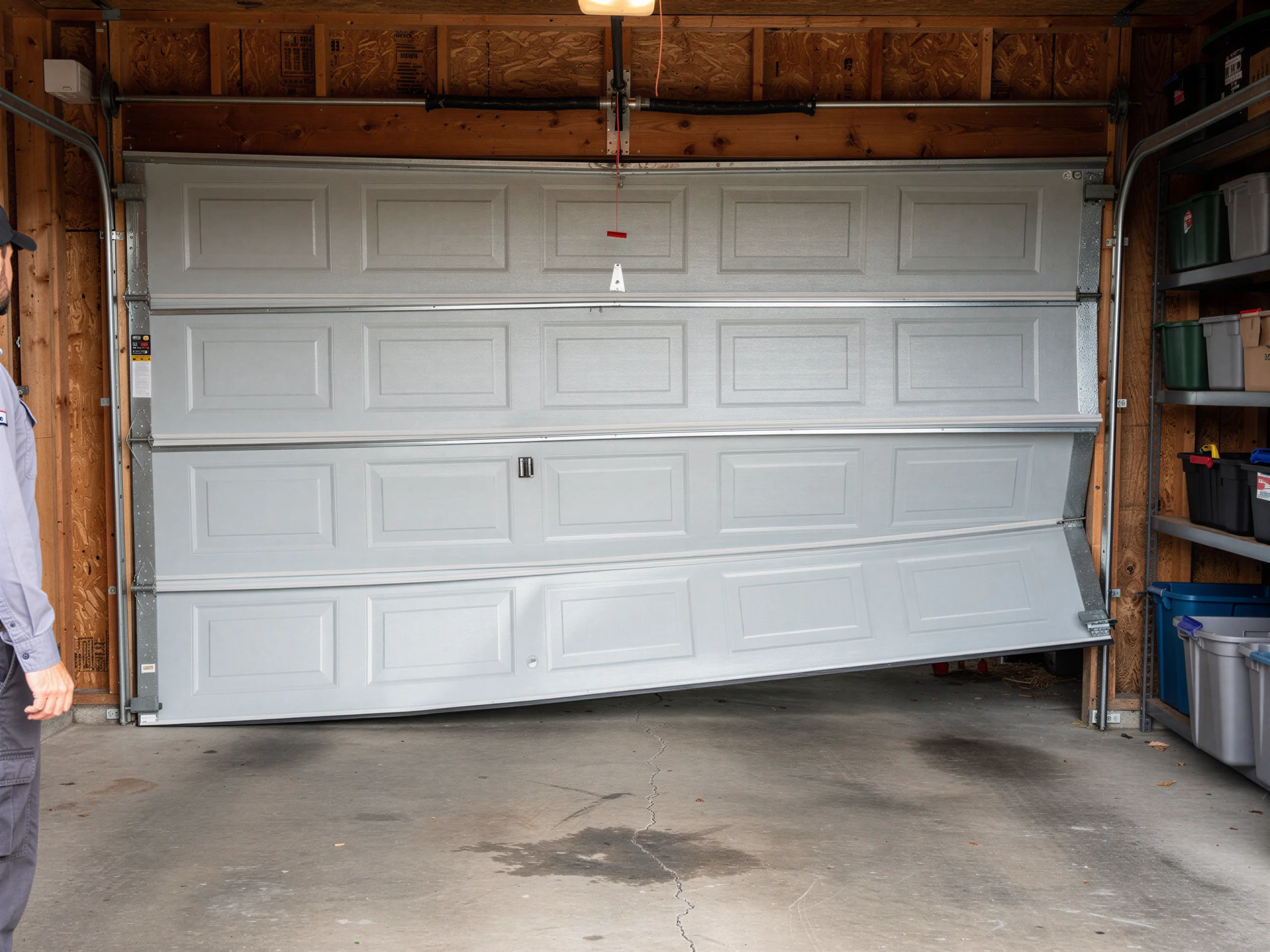
Garage Door Off Track? Here's What's Going On
Garage door off track in Garden Grove? Learn more →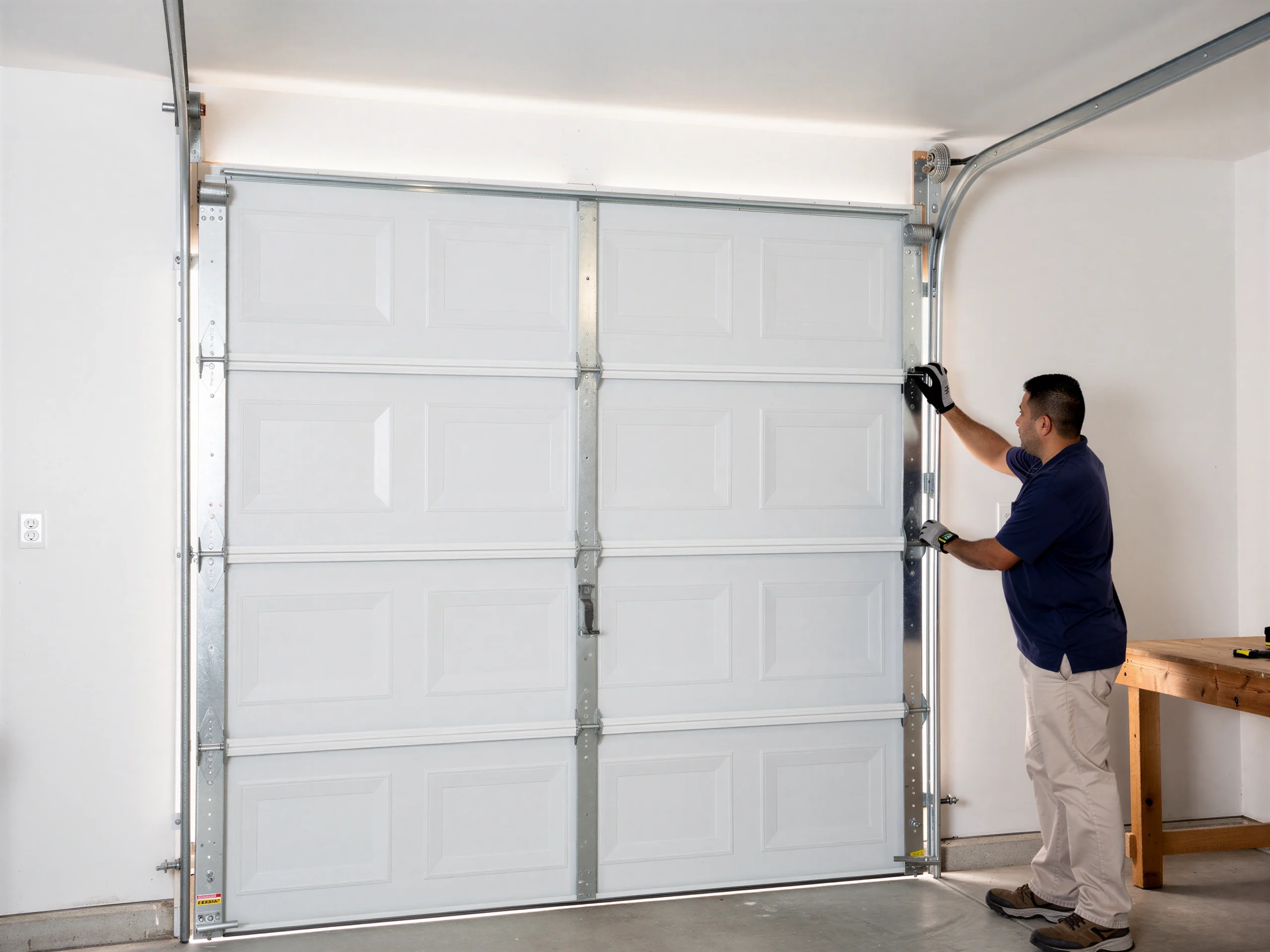
New Garage Door Installation for Garden Grove Homes
New garage door installation in Garden Grove, CA, built for 1960s-70s tract homes and mild coastal-valley climate - sized, insulated, and installed right. Learn more →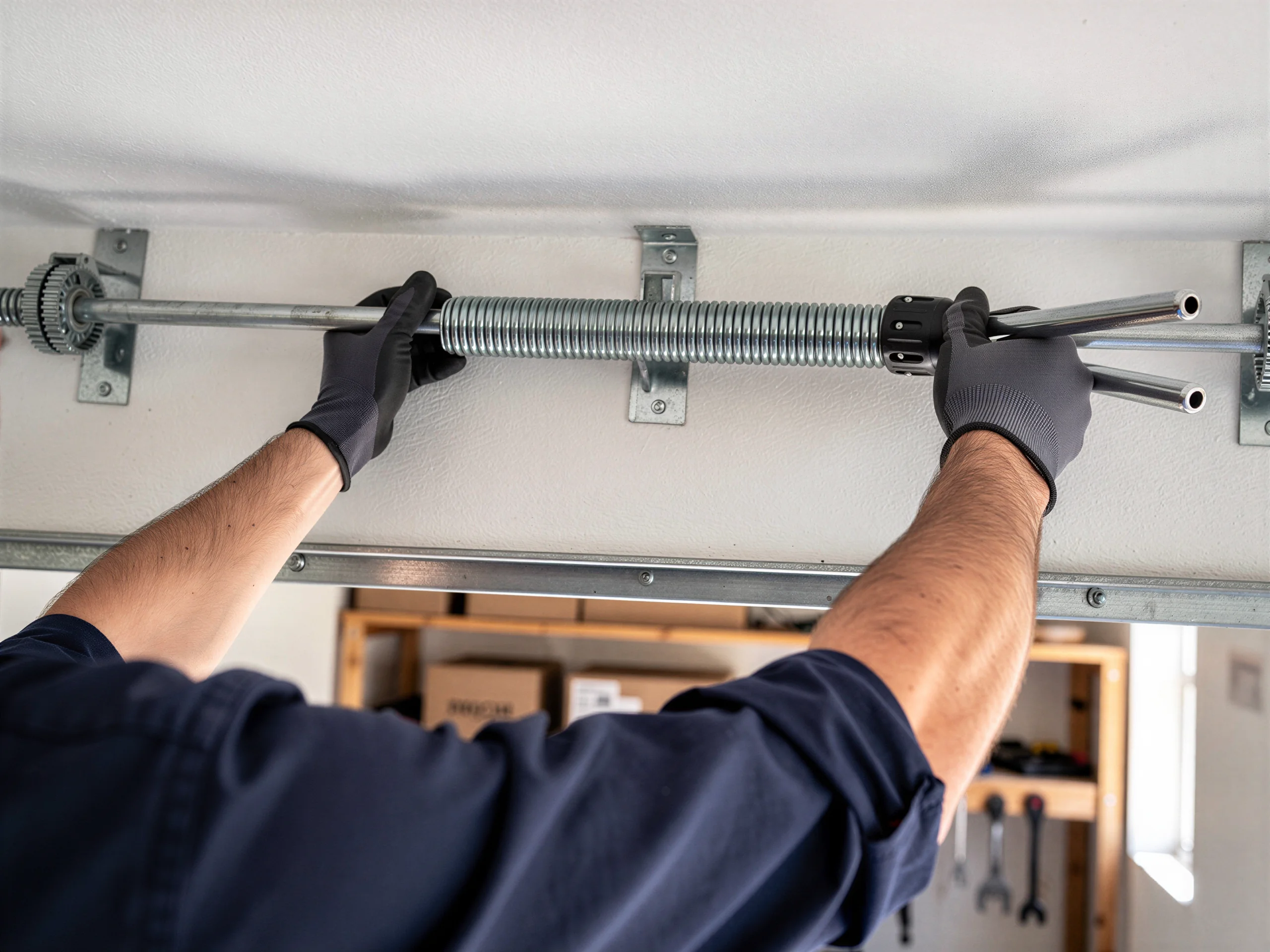
Garage Door Spring Repair for Garden Grove Homes
Broken torsion spring on a Garden Grove garage door? Learn more →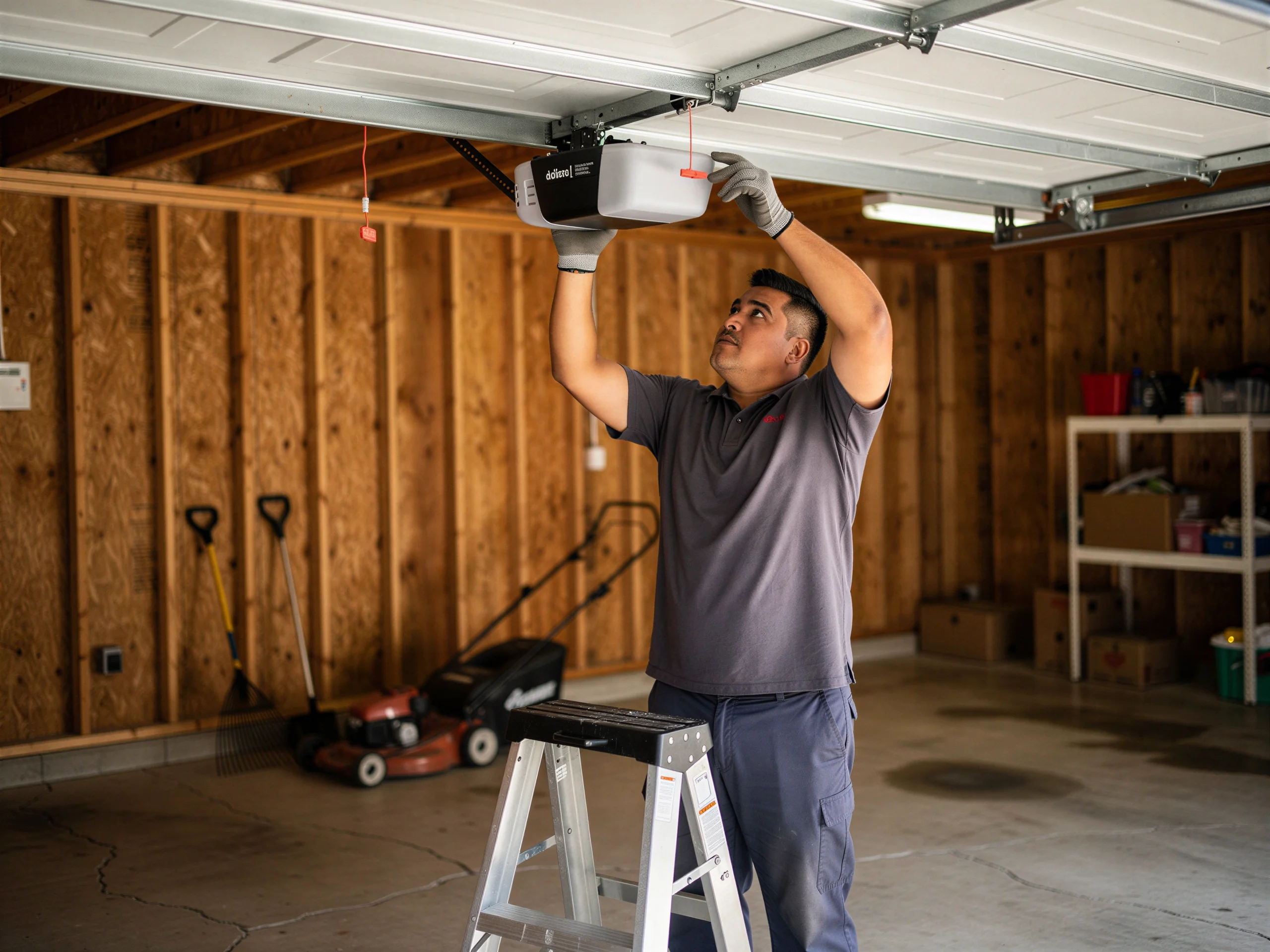
Garage Door Opener Installation for Garden Grove Homes
Openers fail differently on Garden Grove's 1960s-era garage framing. Learn more →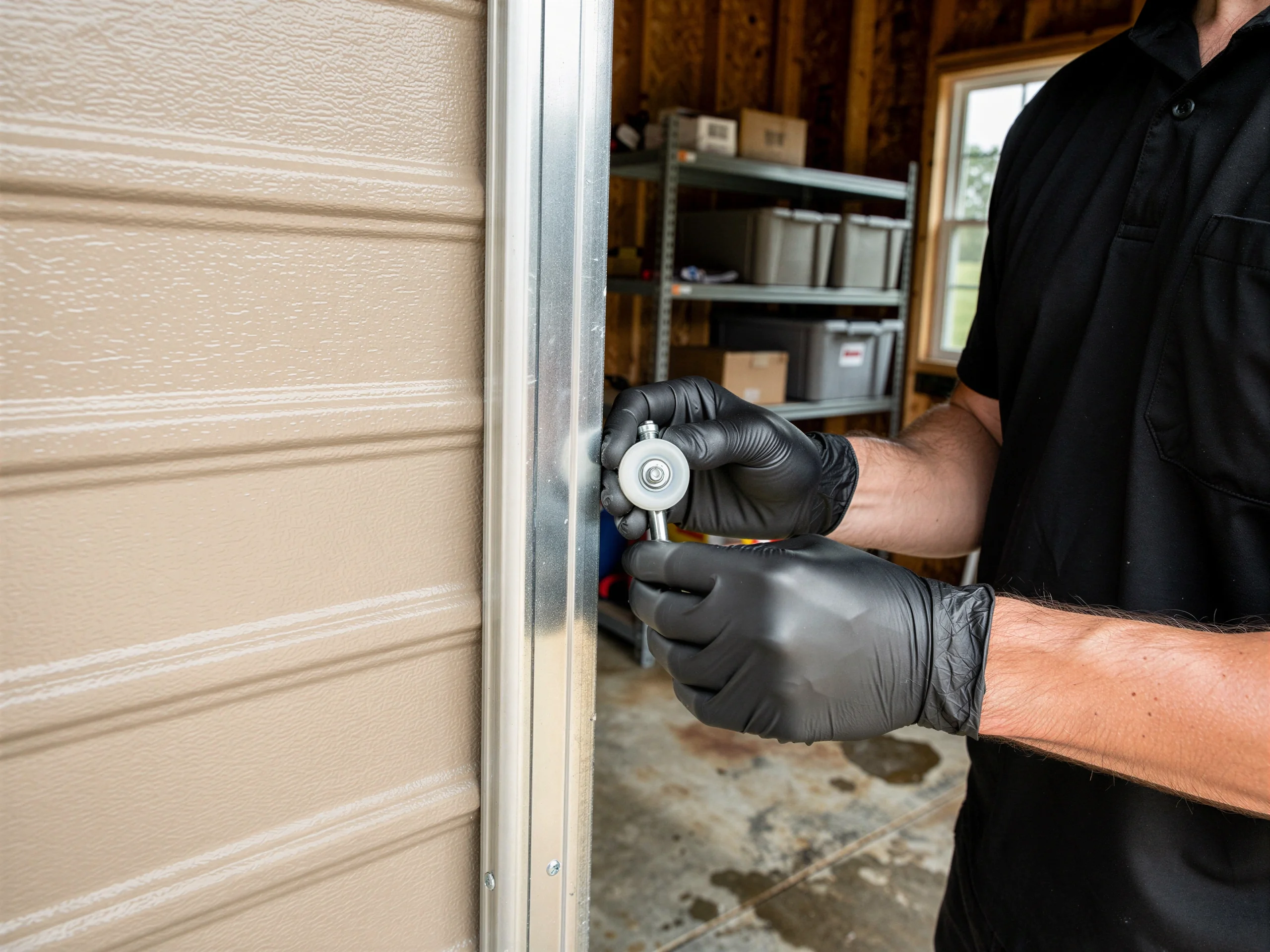
Garage Door Roller Replacement, Garden Grove
Garden Grove homes built mostly in the 1960s and 70s still run original steel rollers. Learn more →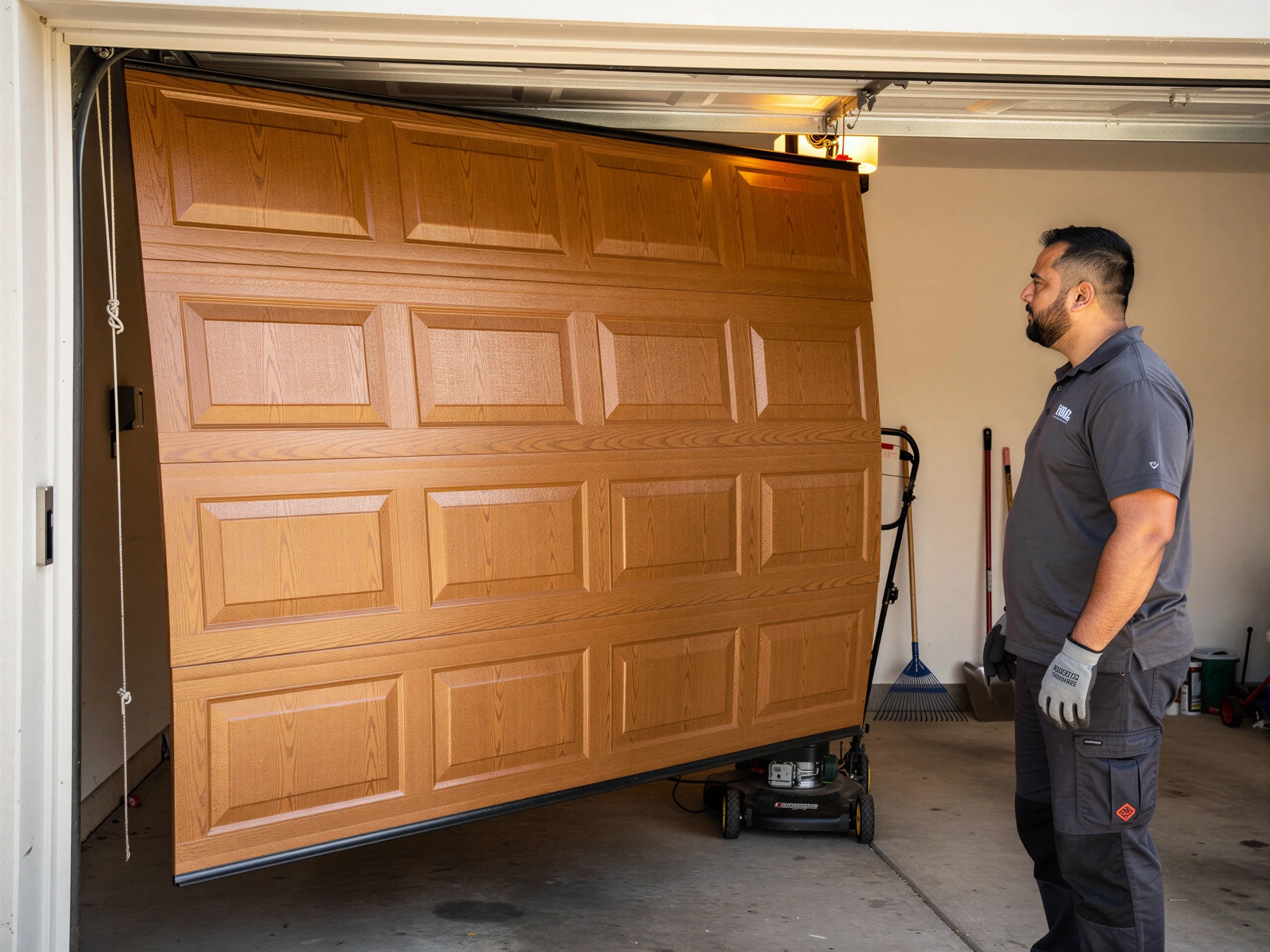
Garage Door Cable Repair, Garden Grove
Frayed or snapped garage door cables are common on Garden Grove's 1960s-era homes. Learn more →Ready when you are
Need garage door service in Garden Grove?
Garden Grove Garage Door Pros repairs and installs garage doors, springs and openers in Garden Grove, CA and the surrounding area.