 What an Older Garage Door Is Worth Fixing in Garden Grove
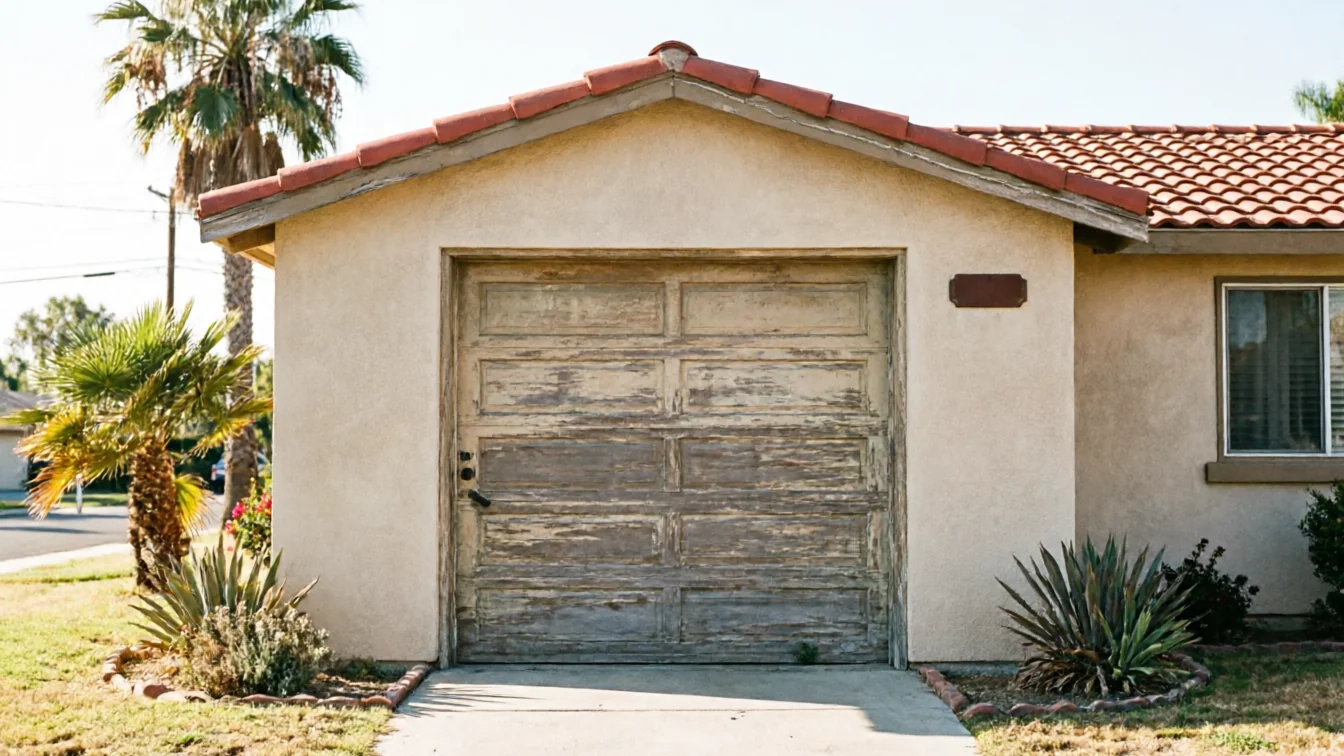
Garden Grove homes mostly date to the 1960s and 70s.
What That Noise in Your Garage Door Is Actually Telling You
Garden Grove homes mostly date to the 1960s and 70s, which means specific noise patterns point to specific parts. Here's how to tell a cable from a roller from a spring.
Local detail
When to Get Help
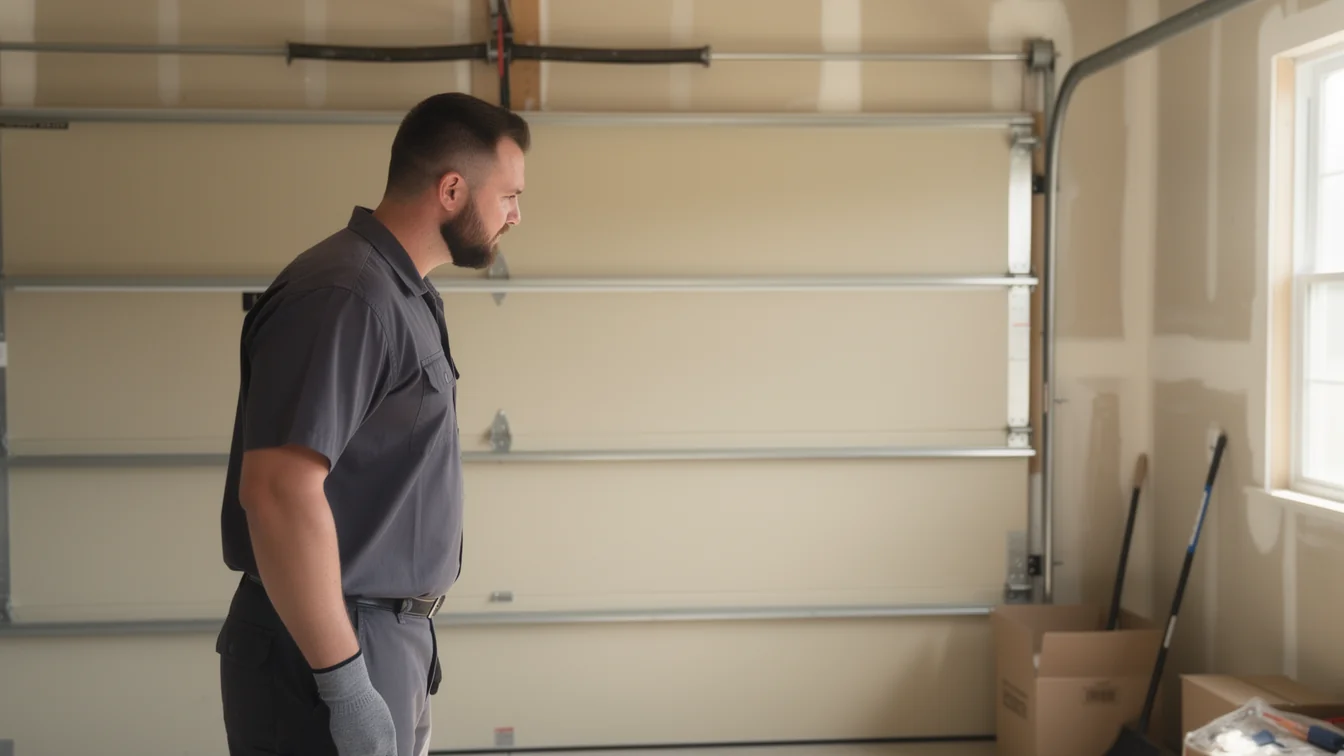
If your door makes a loud bang followed by the door refusing to move, that's almost certainly a broken torsion spring, and you shouldn't try to open it by hand or with the opener again. Call for that one. A grinding or scraping sound that gets louder as the door travels, on the other hand, is often just a track that's out of alignment or rollers that have worn down - common on houses built here between 1938 and 1995, where the original hardware has had decades to wear.
A rhythmic squeak or chirp usually means rollers or hinges need lubrication, which is something you can handle yourself before it becomes anything worse. A loud pop on opening, without the door jamming, can mean a cable is starting to fray off the drum - that one won't fix itself and tends to get worse fast.
The general rule: noises that change pitch as the door moves usually point to track or roller wear. Noises that happen once, suddenly, and stop the door cold usually mean something has broken and needs a same-day look, not a lubricant can.
The area
What Local Conditions Do
Garden Grove sits in a mild temperate band, so we don't get the freeze-thaw cycling that cracks concrete slabs or stiffens lubricant in colder climates. That's the good news - your springs and cables aren't fighting winter contraction here. The noise problems in this area come from something else: age.
Most of the housing stock across this service area went up between 1938 and 1995, with a median build year around 1966, and the 57 named communities in this area share that same mid-century footprint. A door and opener system installed or last replaced decades ago, on hardware sized for that era's lighter wood doors, is going to develop noise as grease dries out, as rollers flatten, and as lag bolts in the track backing work loose in framing that's had fifty-plus years to settle. The mild climate means you're not dealing with ice-stiffened springs, but you are dealing with age-related wear that shows up as sound long before it shows up as failure.
What we find
The Problem
The trouble with garage door noise is that most of it sounds the same to someone who isn't listening for it - a generic rattle or squeal - when in fact the sound tells you exactly where to look. A door installed when a house was built in the 1960s likely still has its original tracks and may have had the opener swapped once, maybe twice, since. The spring system, the drum, the cable ends: these parts wear at different rates, and each one makes its own distinct complaint before it quits.
Owners in this area often wait because the door 'still works,' which it does, right up until a spring parts under tension or a cable slips off a worn drum groove. By then what would've been a quiet repair becomes an emergency call. The honest limit here: we can tell you a lot about a likely cause from a description over the phone, but we can't diagnose a cable or spring issue for certain without putting eyes and a hand on the door in person.
How we work
Where People Go Wrong
The most common mistake is spraying WD-40 on everything and calling it maintenance. WD-40 is a solvent, not a lubricant - it strips old grease off rollers and hinges and leaves them drier than before, which makes the squeak worse within a few weeks. A lithium or silicone-based garage door lubricant is what actually quiets these parts down.
The second mistake is ignoring a noise because the door still opens fine. On houses from the 1960s and 70s stock common across this area, a cable that's starting to fray or a spring that's lost tension will usually announce itself with sound well before it fails outright - that's the window to get it looked at, not after. Waiting until the door won't move at all turns a routine adjustment into an after-hours repair, and on a torsion spring system under real tension, that's not a job to improvise.
Questions
Common questions
My garage door makes a loud bang but still opens - is that normal?
No. A loud bang usually means a torsion spring has broken, even if the opener still manages to force the door up. Running it further on a broken spring puts strain on the opener and cables it wasn't built to carry. Stop using it and get it looked at before the next cycle.
Why does my door only squeak in certain weather?
Garden Grove's mild climate means you won't get the sharp temperature swings that stiffen hardware elsewhere, so if your noise changes, it's more likely humidity affecting old grease on rollers than a cold-weather issue. Regular lubrication handles most of this.
Is it normal for a door this old to be this loud?
Given that most homes in this area were built between 1938 and 1995, a lot of original track and roller hardware is well past its expected quiet life. Noise at this age is common, but it's also usually fixable with roller and hinge replacement rather than a full door swap.
Recommendation
You Might Also Like
More garage door guides for Garden Grove homeowners.
What an Older Garage Door Is Worth Fixing in Garden Grove
Garden Grove homes mostly date to the 1960s and 70s.
 Knowing When a Repair Isn't Worth It Anymore
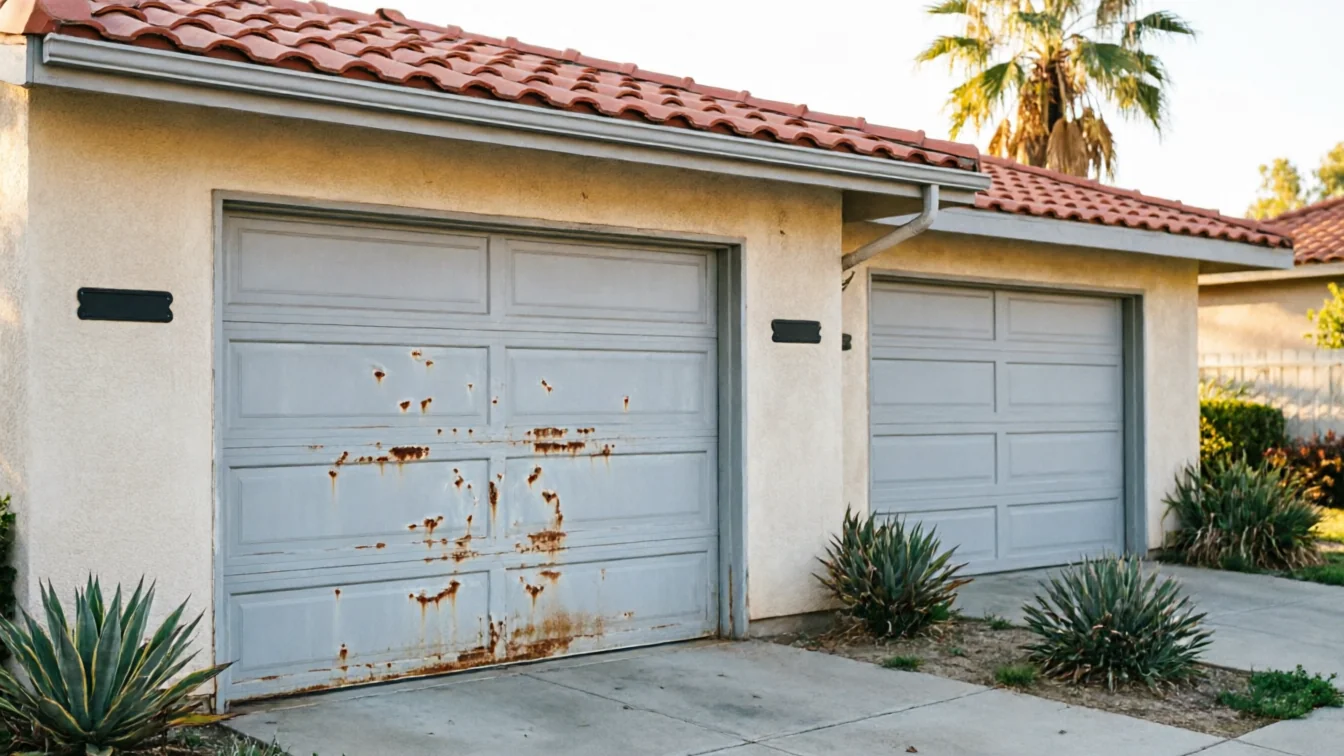
Garden Grove homes mostly date to the 1960s and 70s.
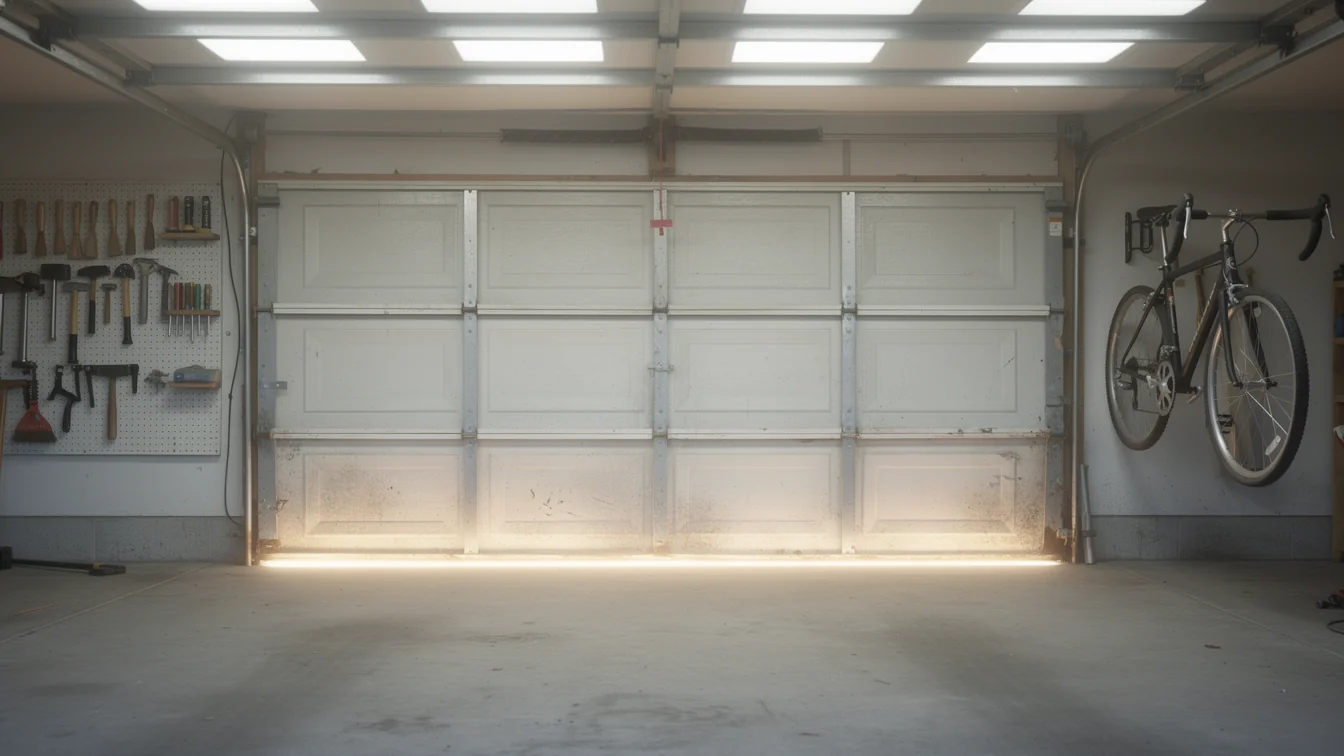 Why Garden Grove's Older Doors Need Different Care
Garden Grove's housing dates mostly to 1938-1995, and a lot of original doors on these homes went up before insulation standards existed.
Ready when you are
Need a garage door sorted in Garden Grove?
Garden Grove Garage Door Pros repairs and installs garage doors, springs and openers in Garden Grove, CA and the surrounding area.