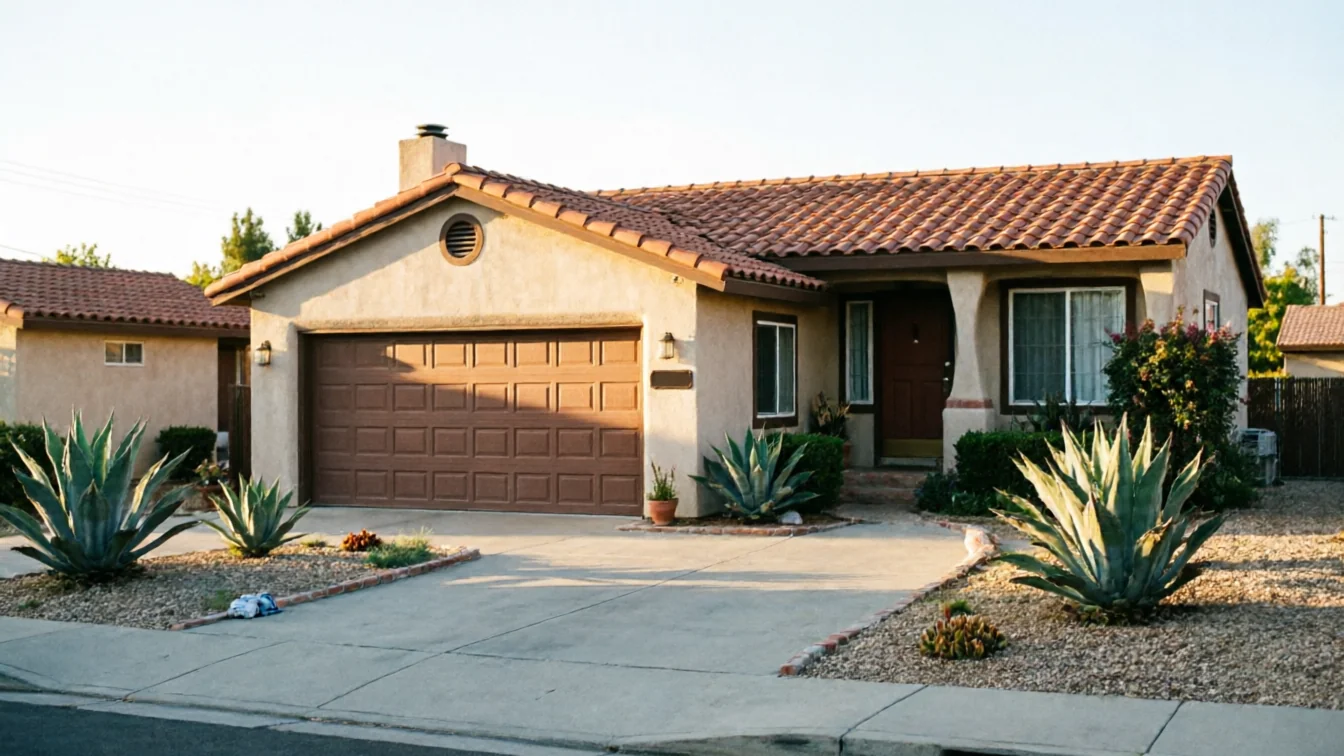
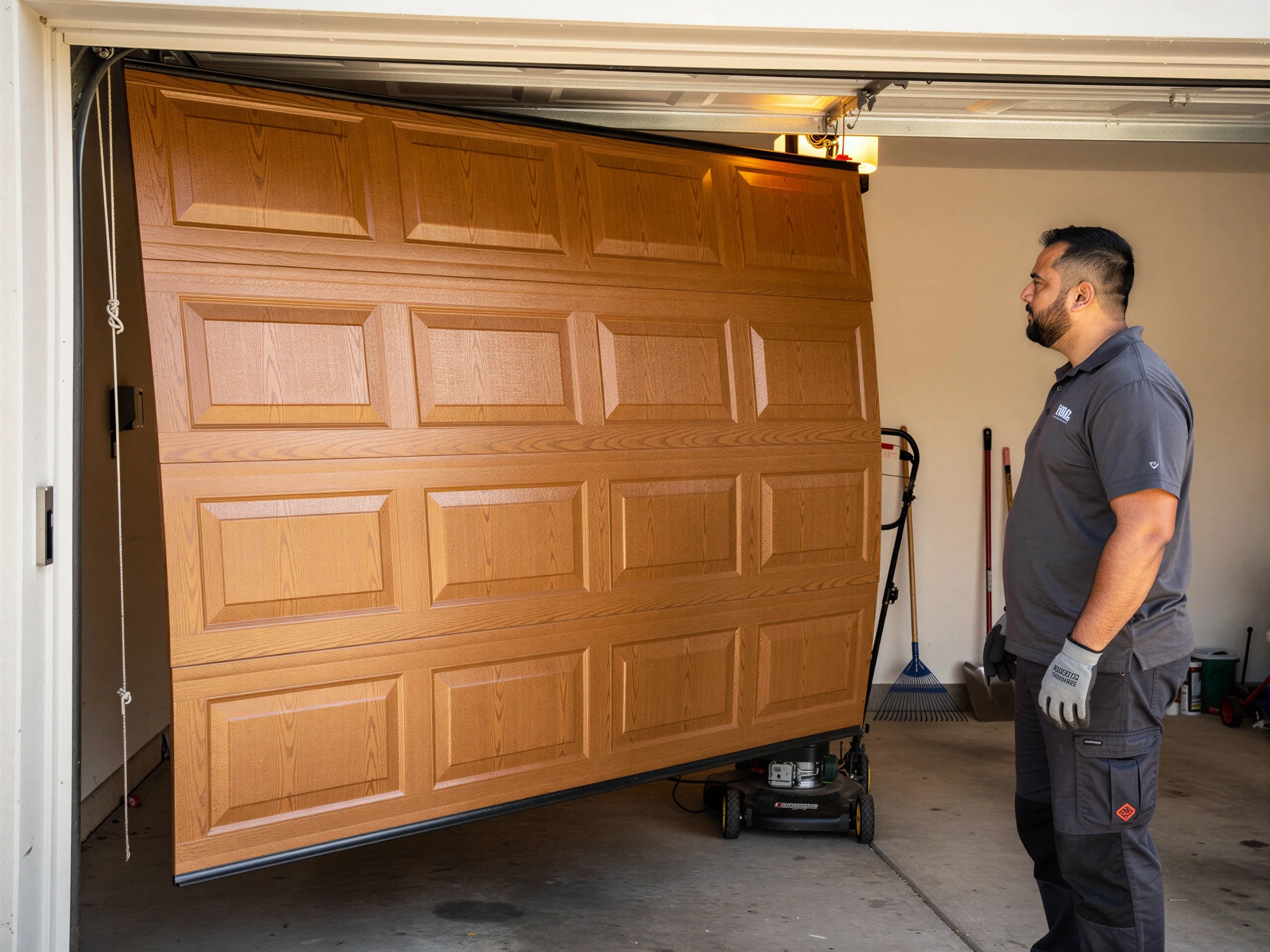
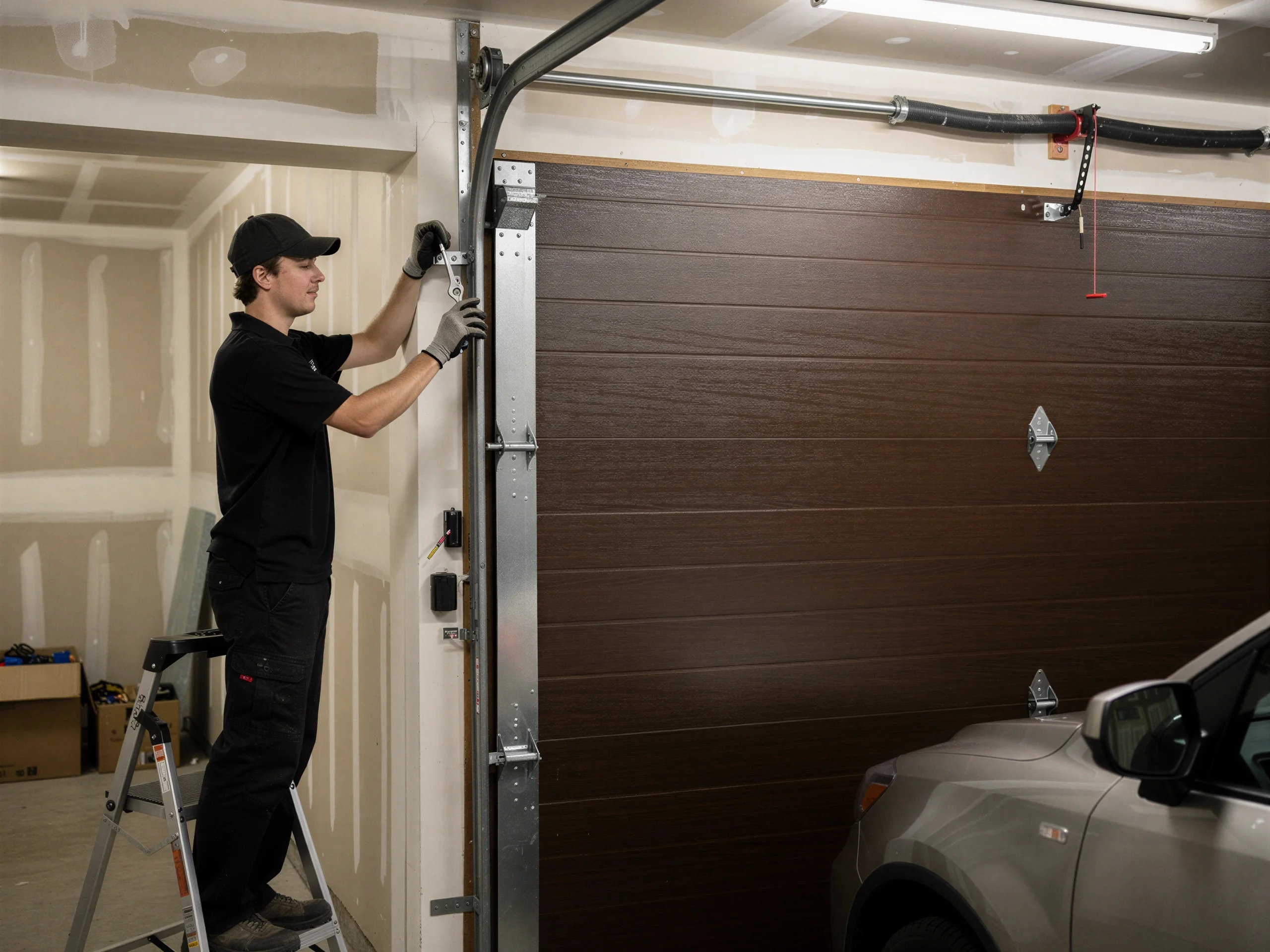
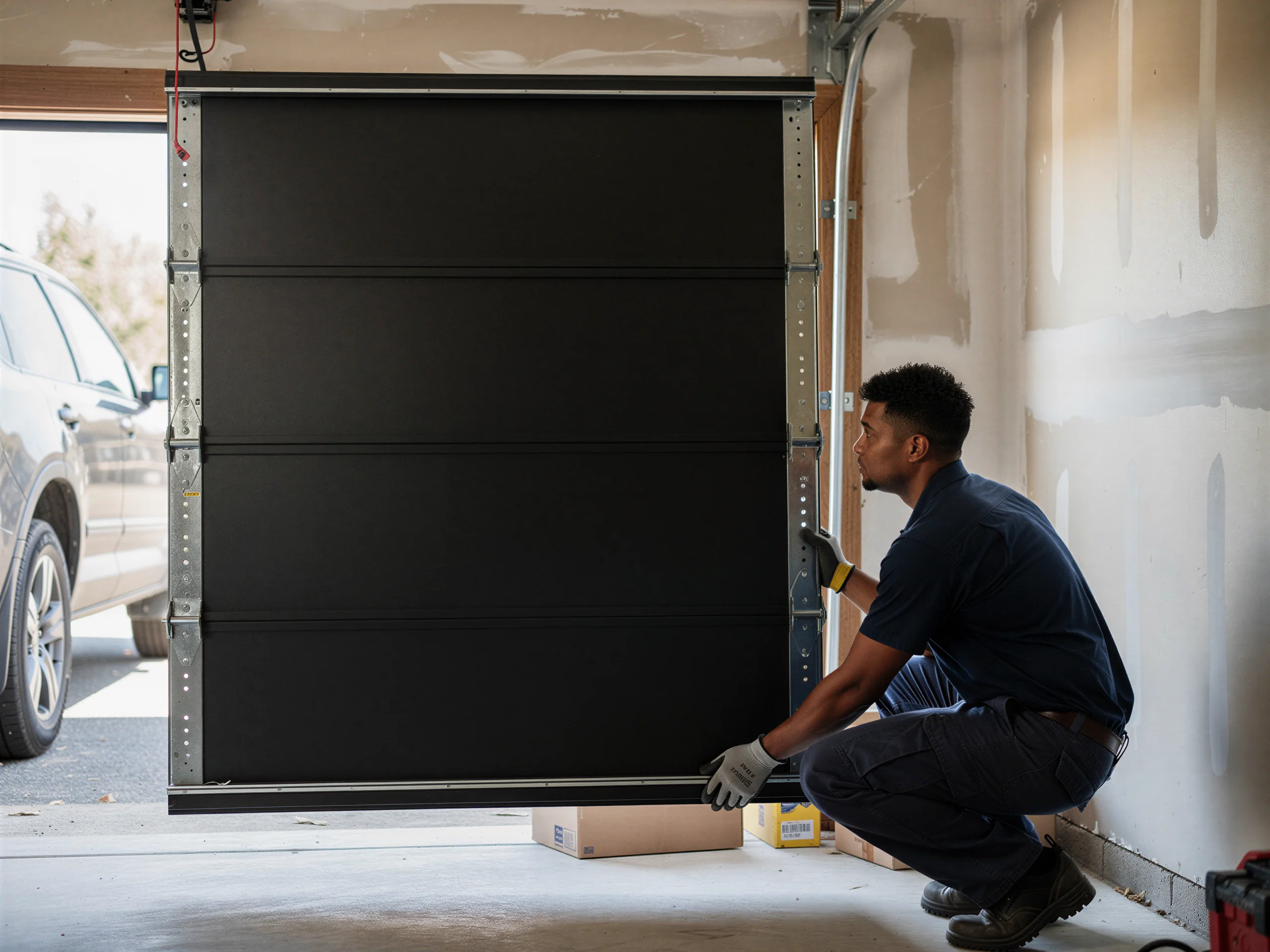
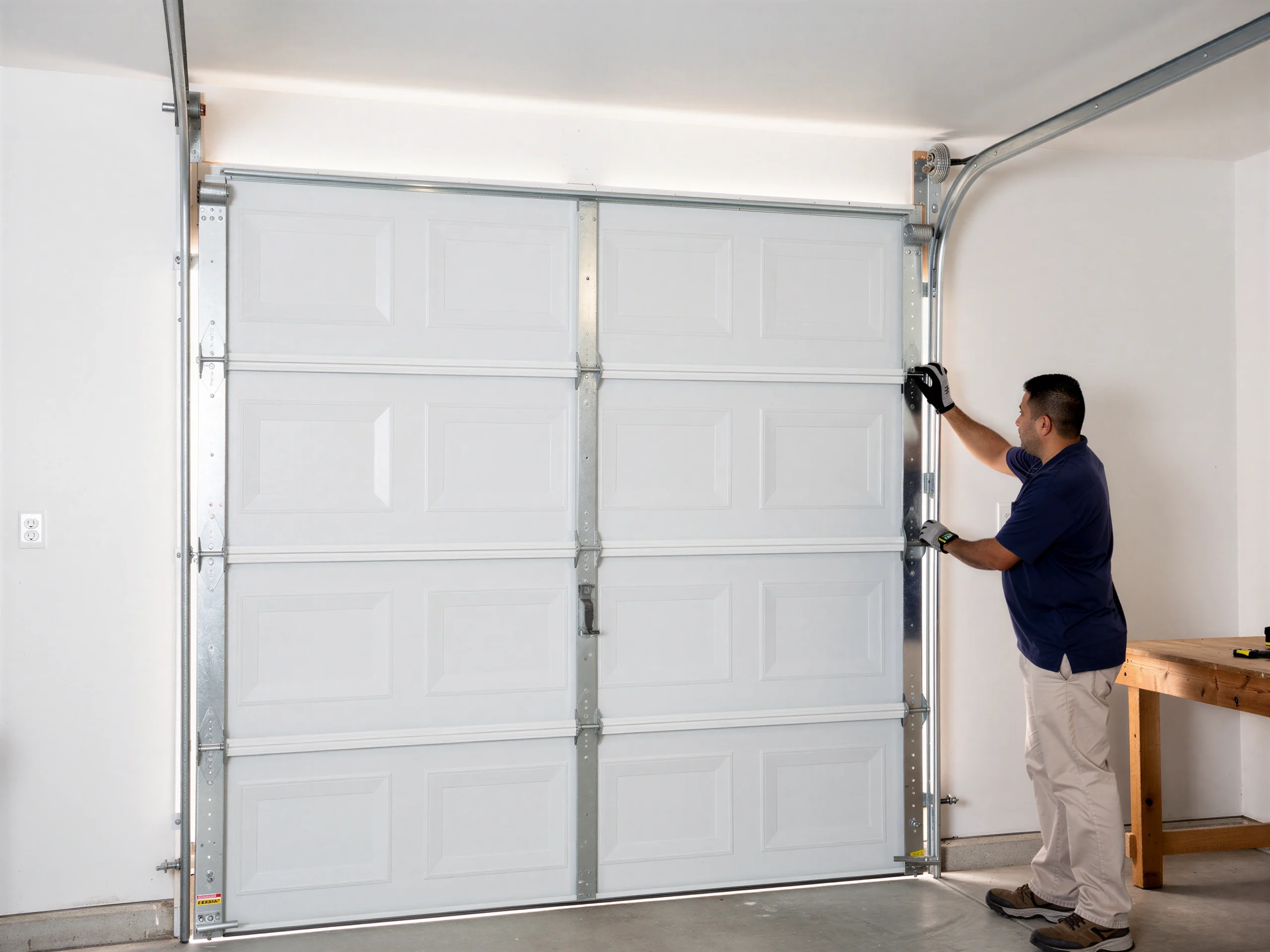
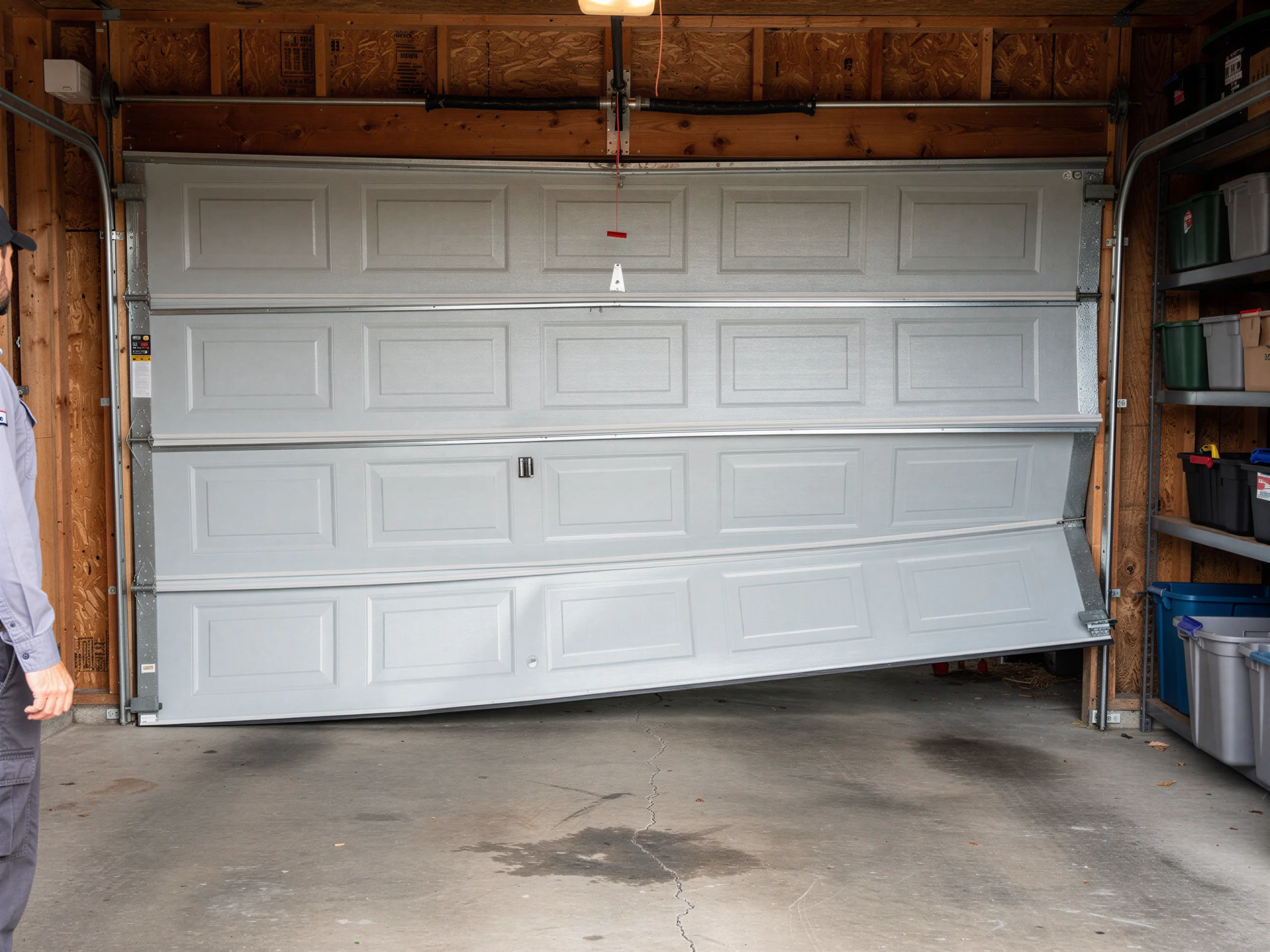
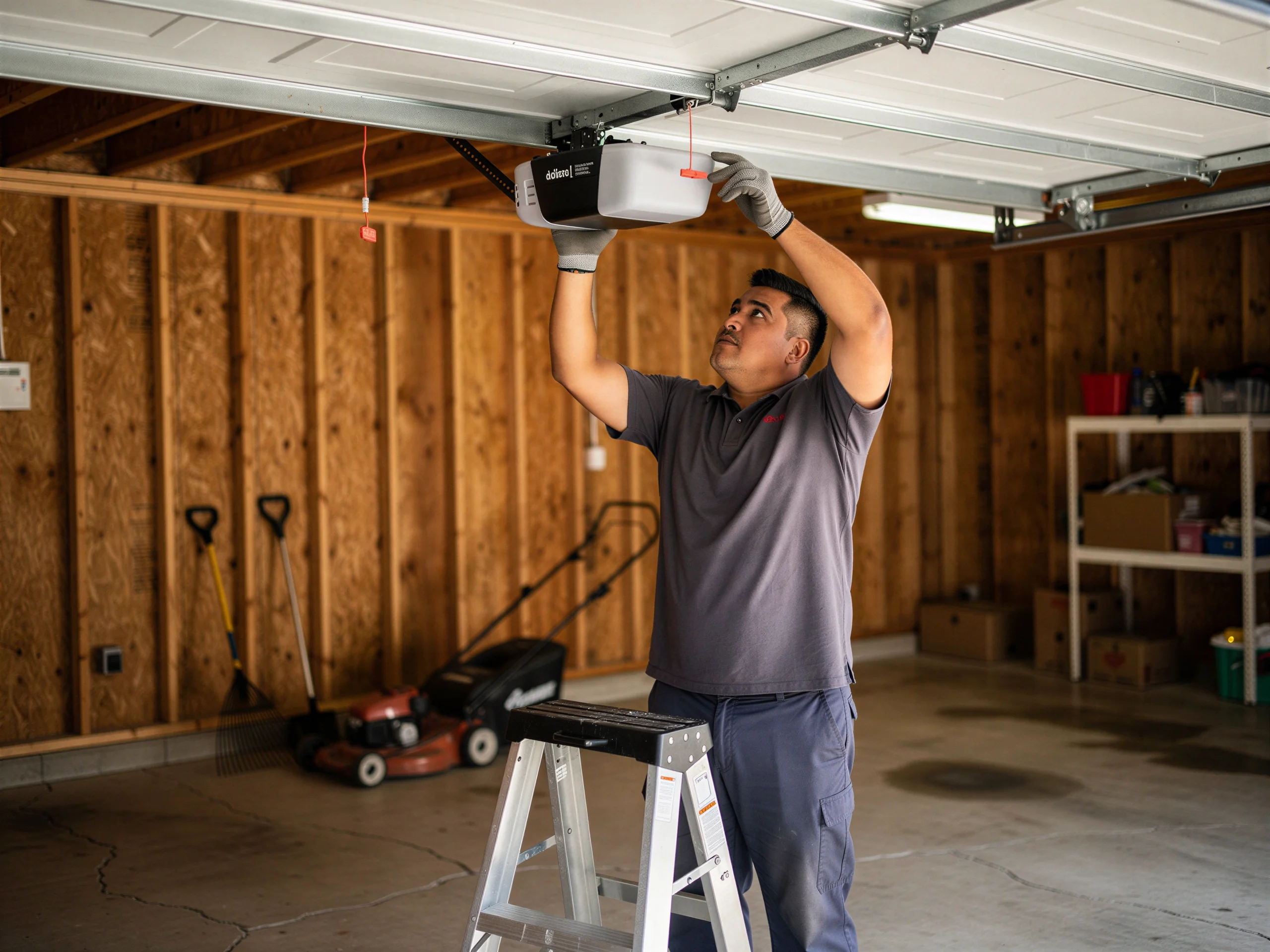
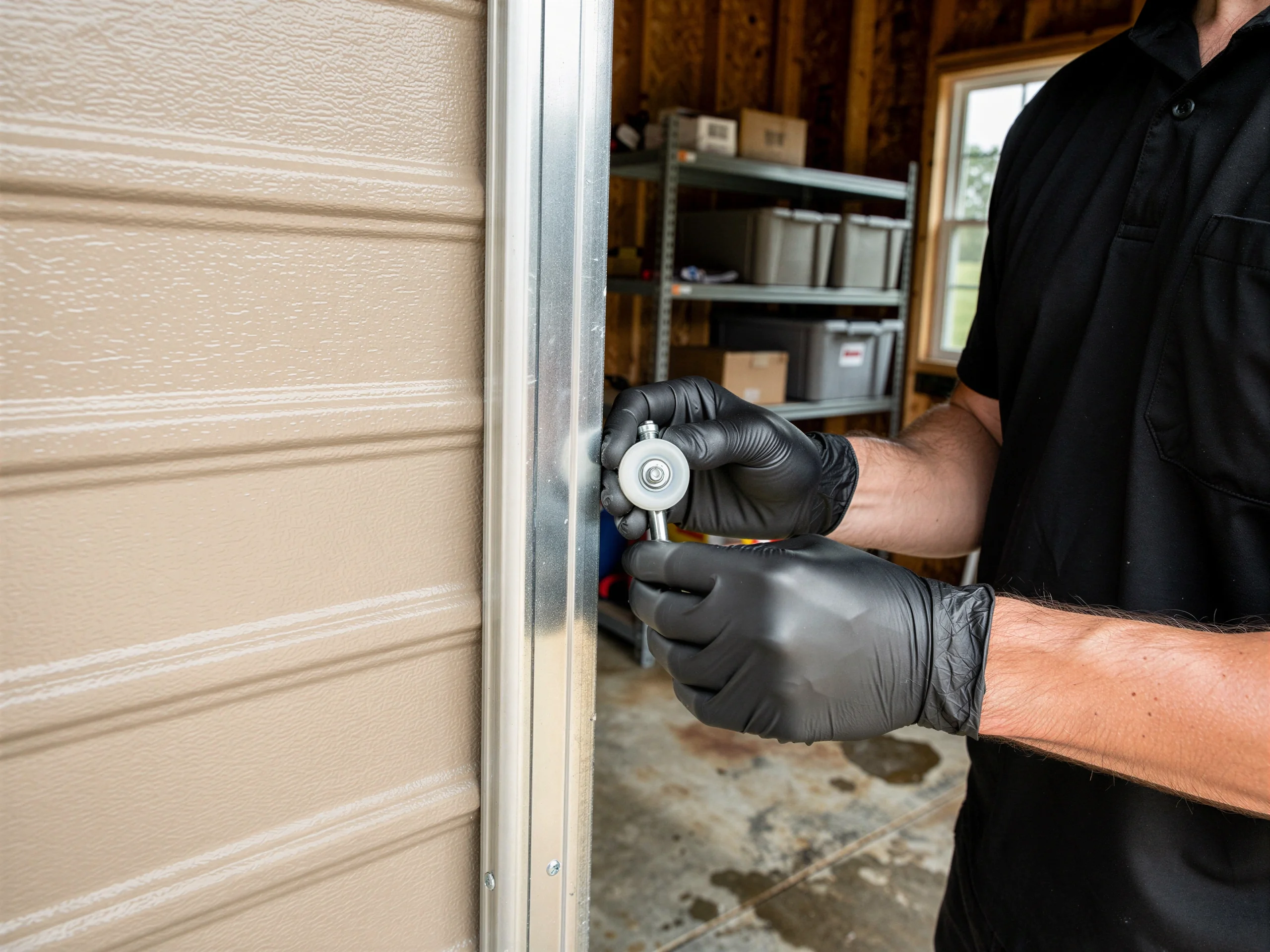
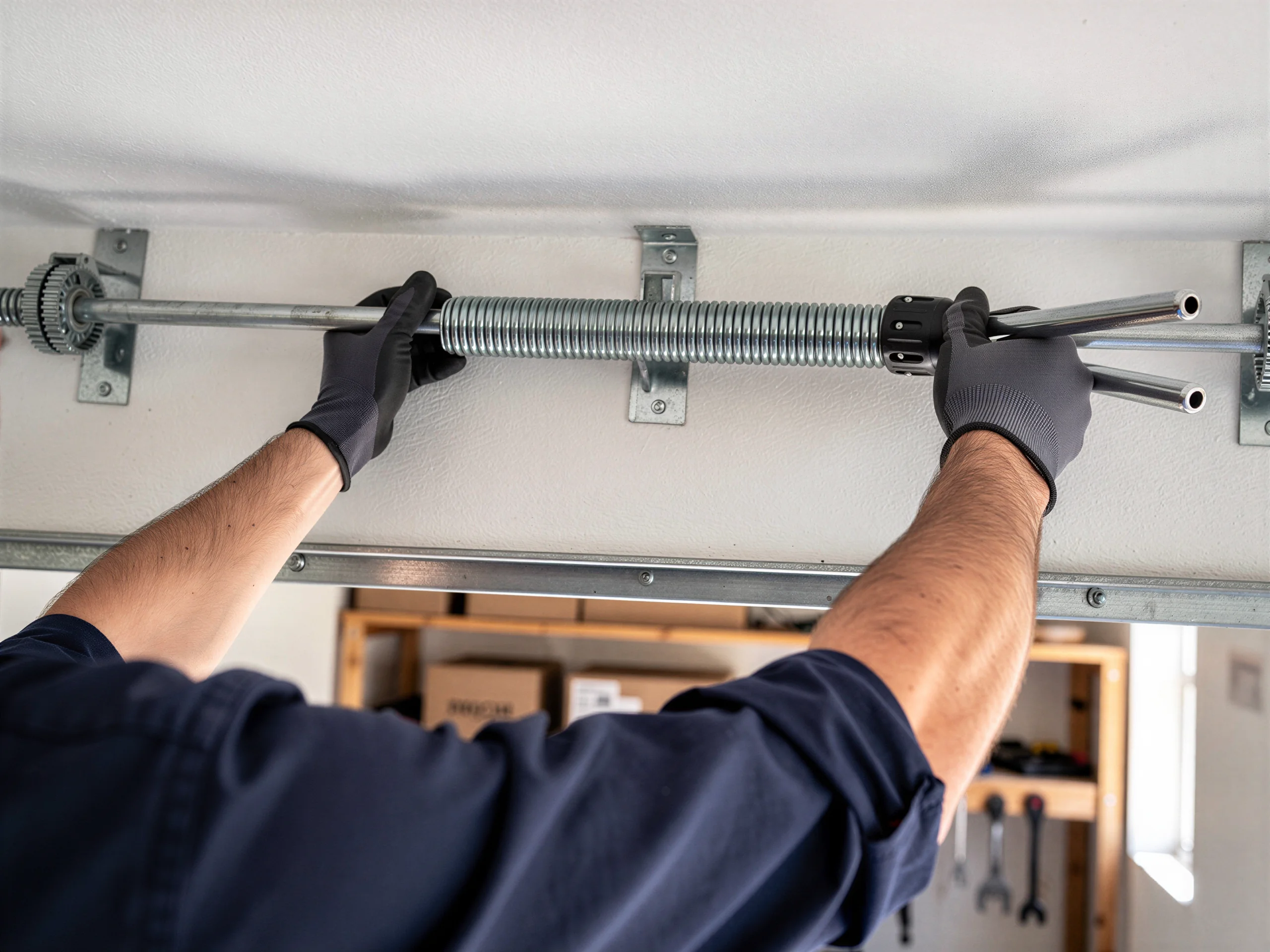
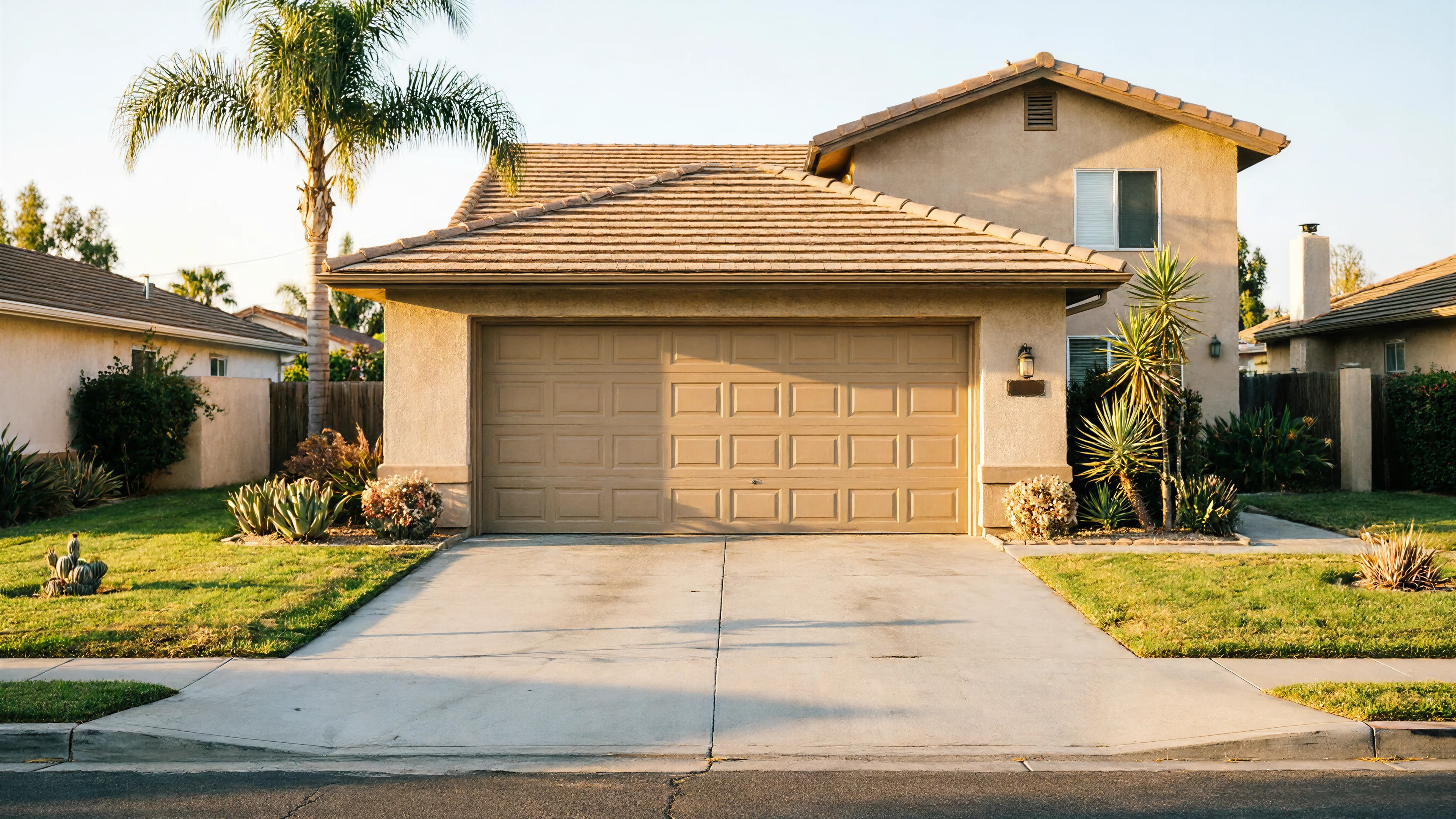
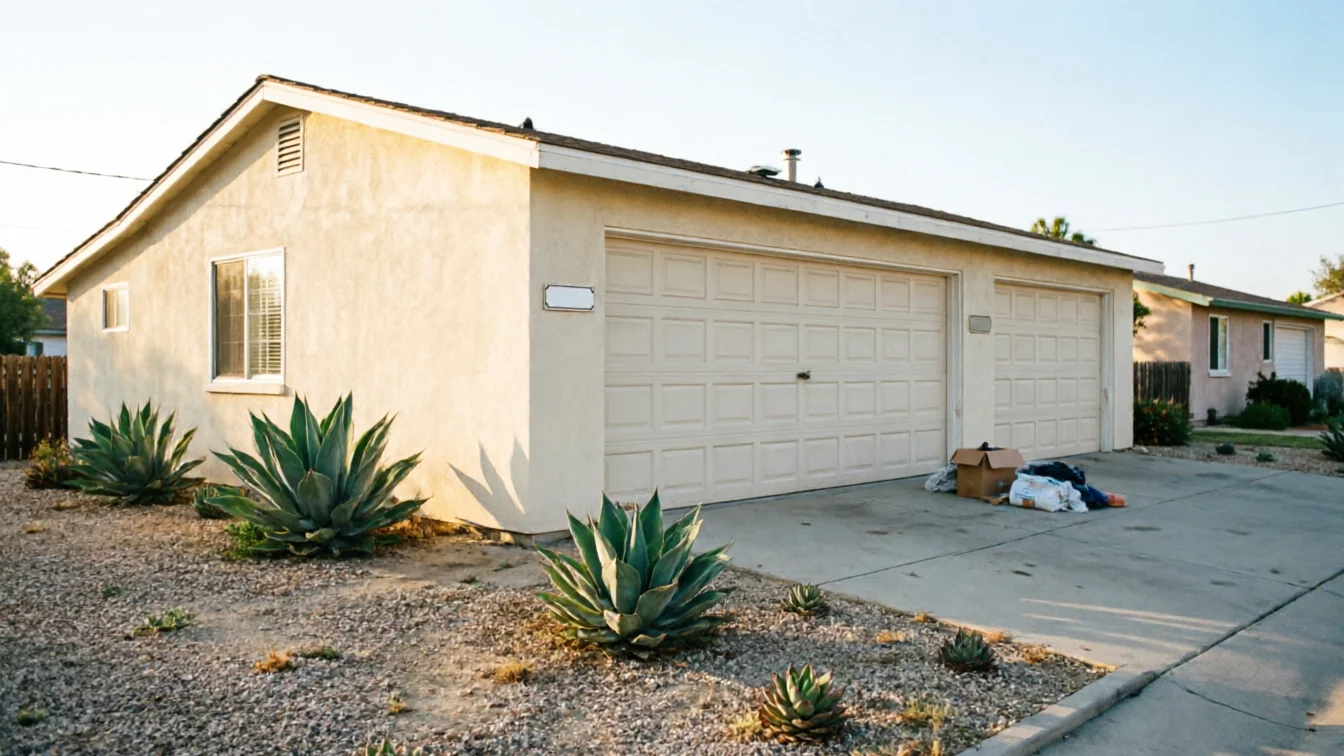
Norwalk's housing stock centers on 1957, which puts it earlier than a lot of the wider service area, where the median build year runs closer to 1966. That decade matters more than people think. A garage built in 1957 was almost always framed for a single-piece slab door or an early sectional, with a torsion spring mounted on a header board rather than the bracket style that showed up in later tract construction. If your house still has its original hardware, the spring, the drums, and sometimes the track are sized to a door that nobody manufactures anymore. We see this a lot: homeowners replace the door panel with a modern sectional but keep the old jamb framing, and the two don't quite agree on hinge spacing or track angle. That mismatch is why a door can look fine and still bind, grind, or drop out of alignment faster than a newer install would. If your opener bracket looks welded on rather than bolted, or your spring sits in a single center-mounted cone, that's a 1950s-era clue, and it changes what parts we bring and what we check first.
One limitation worth naming here: if the opening itself is out of square from six decades of settling, a straight parts swap won't fix the symptom. Sometimes the honest fix is reframing the opening, not just replacing the door, and that's a bigger job than a service call.