 What to Know Before Buying a Replacement Garage Door in Garden Grove
A guide for Garden Grove homeowners on replacing a garage door that matches the city's 1960s-70s housing stock and mild coastal-valley climate without overpaying.
Detached and Attached Garages Fail Differently Here
Garden Grove's housing stock runs 1938-1995, and that era split the city between detached garages and attached ones. Here's how the door problems differ by type.
Local detail
When to Get Help
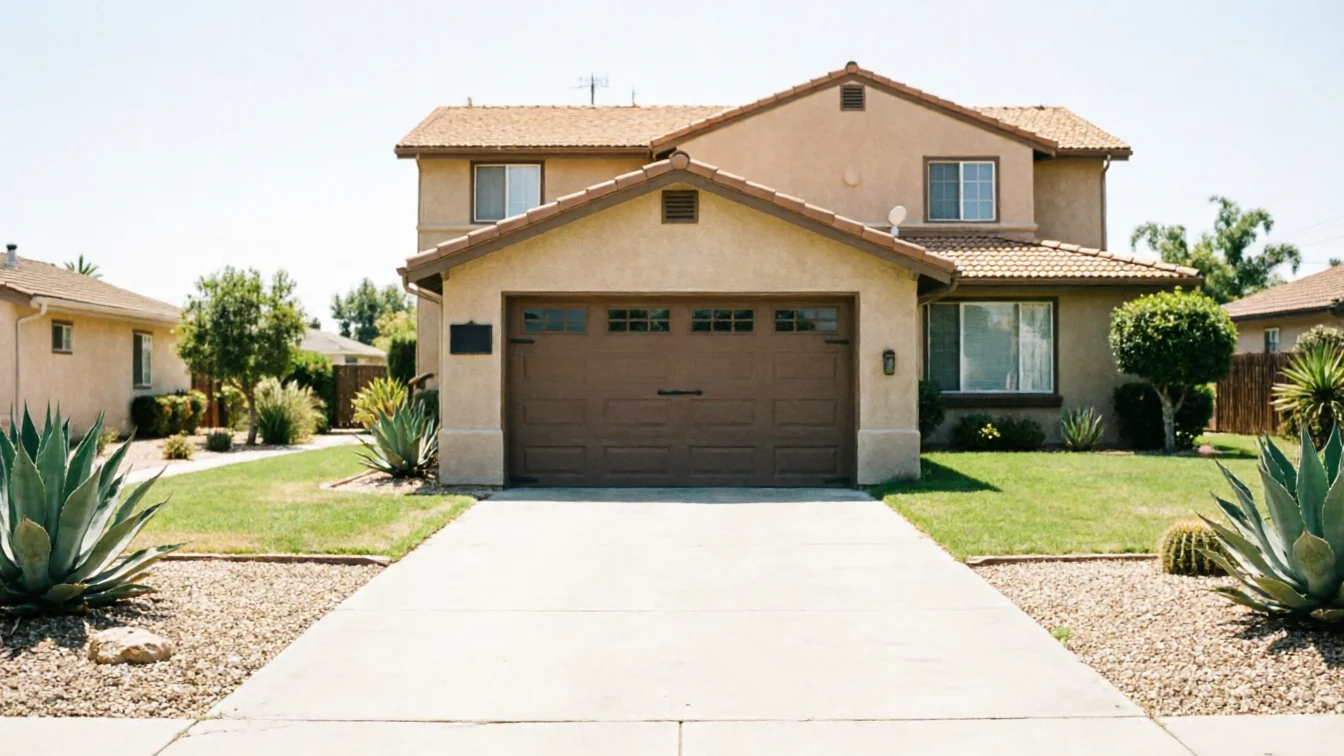
If you're in one of the older sections of Garden Grove, built closer to the 1938-1966 end of the range, there's a decent chance your garage is a detached structure set back from the house, sometimes with its own slab and its own settling pattern separate from the main home. Call someone out when the door binds on one side only, when the track has pulled away from the framing, or when you hear the opener straining before the door even moves. On a detached garage, that strain often means the structure itself has shifted independently of the house, which changes where the real problem is.
On an attached garage, which is more common in the newer end of the local stock heading toward 1995, the warning signs are different. Watch for daylight gaps at the bottom corners or water staining on the wall shared with the house. That's not a door-adjustment problem anymore; it's the seal between the garage and your living space failing, and it's worth a call before it gets into the drywall. Either way, don't wait for the door to stop working entirely. A door that's already misbehaving mildly is cheaper to fix than one that's seized.
The area
What Local Conditions Do
Garden Grove sits in a mild temperate band, so we're not dealing with freeze-thaw cycles cracking slabs or snow load bending panels. That's the good news for both garage types. But mild doesn't mean nothing happens. Detached garages built in the 1960s and 70s, when a lot of this city's stock went up, were often framed light, since nobody expected them to meet the same standard as the house. Decades of sun exposure on an unshaded detached structure dries out the wood jambs the door is mounted to, and the hardware works loose even without any weather extreme to blame.
Attached garages get a different kind of wear here. Because the mild climate means these garages don't get sealed up tight against cold the way they would somewhere with real winters, a lot of them were built or retrofitted with lighter weatherstripping than attached garages need in harsher regions. Over time that light seal between house and garage dries out and shrinks, and it's often the first thing to go on an attached door even though the door mechanism itself is fine. The climate here doesn't destroy garage doors fast. It just lets small gaps sit there for years before anyone notices.
What we find
The Problem
The core issue in Garden Grove is that detached and attached garages built in the same decade don't age the same way, but a lot of repair advice treats them like one category. A detached garage from the 1960s stock has its own foundation, its own frame racking, and its own door track alignment problems that have nothing to do with the house next to it. When that structure shifts even slightly, which happens slowly over 50-plus years, the door track goes out of square and the rollers start binding on one side, usually the side where the original builder skimped on the header.
An attached garage built or added during the same stretch of the city's growth shares a wall and a foundation line with the house, so when the house settles, the garage door opening settles with it. That shows up as a door that used to close flush now catching at one bottom corner. It's a different root cause requiring a different fix, even though the symptom, a door that won't seat right, looks identical from the driveway. Treating both the same way wastes a visit.
How we work
Where People Go Wrong
The most common mistake we see locally is someone replacing rollers or springs on a detached garage door that's actually fighting a racked frame, because the frame problem isn't obvious until you look at the structure, not just the door. You can put on new hardware and the door will bind again within weeks, because the hardware was never the issue.
On attached garages, the mistake runs the other way. People notice the gap or the draft and assume it's a door adjustment problem, order a new bottom seal, and the gap comes back in a season because the actual cause is the house's foundation line pulling slightly away from the garage slab, which is common enough in this city's older attached construction. One honest limitation: we don't do foundation or structural framing repair. If a detached garage's post-and-beam frame has racked out of square, or an attached garage's slab has separated from the house footing, that's a job for a foundation contractor first. We can get the door working again afterward, but fixing the door before the structure is addressed just means doing the door twice.
Questions
Common questions
My garage is detached and the door only sticks on one side, what's going on
On the older detached garages common in Garden Grove's 1960s-70s stock, a door that binds on one side usually means the structure has racked slightly out of square over the decades, not that the hardware failed. New rollers won't fix it if the frame itself has shifted. We check the frame square before touching the track.
Why is there a gap at the bottom corner of my attached garage door
On attached garages built in this era, that gap is often the house's foundation line settling slightly away from the garage slab, not a worn-out seal. A new bottom seal might help temporarily, but if the gap keeps coming back each season, the slab line is the real cause and needs a different kind of look.
Does Garden Grove's weather damage garage doors much
Not in the way freeze-thaw or heavy snow would elsewhere. The mild temperate climate here is gentler on doors, but it also means small problems like a loose jamb or a shrinking weatherstrip go unnoticed for years because nothing forces the issue the way a hard winter would.
Do you handle foundation problems under a garage
No. If a detached garage's frame has racked or an attached garage's slab has pulled from the house footing, that's structural work outside what we do. We can get the door itself functioning again, but the foundation needs its own contractor first or the door problem just comes back.
Recommendation
You Might Also Like
More garage door guides for Garden Grove homeowners.
What to Know Before Buying a Replacement Garage Door in Garden Grove
A guide for Garden Grove homeowners on replacing a garage door that matches the city's 1960s-70s housing stock and mild coastal-valley climate without overpaying.
 When the Power Goes Out and Your Opener Won't
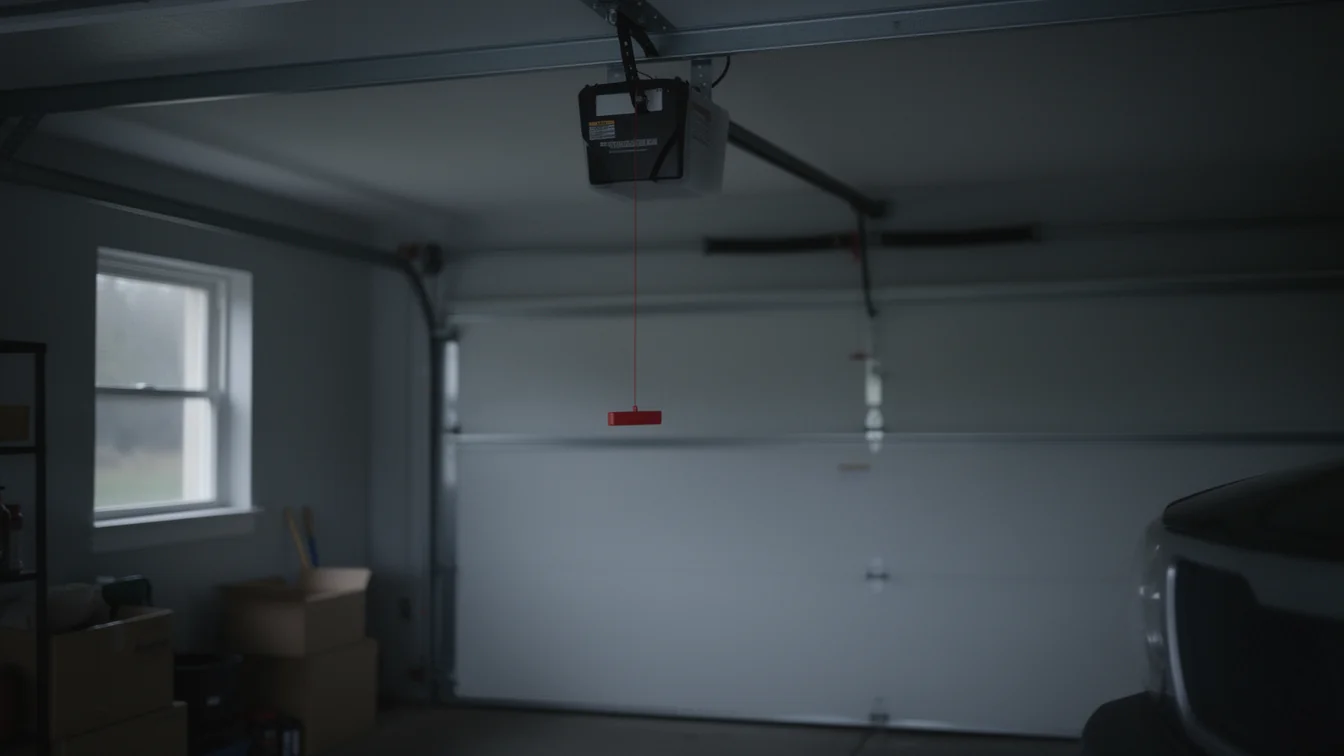
Garden Grove's 1938-1995 housing stock means a lot of openers predate battery backup.
 What We Actually Check When We Come Out
A plain breakdown of what a Garden Grove Garage Door Pros service call actually includes, tied to this city's 1960s-70s housing stock and mild coastal climate.
Ready when you are
Need a garage door sorted in Garden Grove?
Garden Grove Garage Door Pros repairs and installs garage doors, springs and openers in Garden Grove, CA and the surrounding area.