
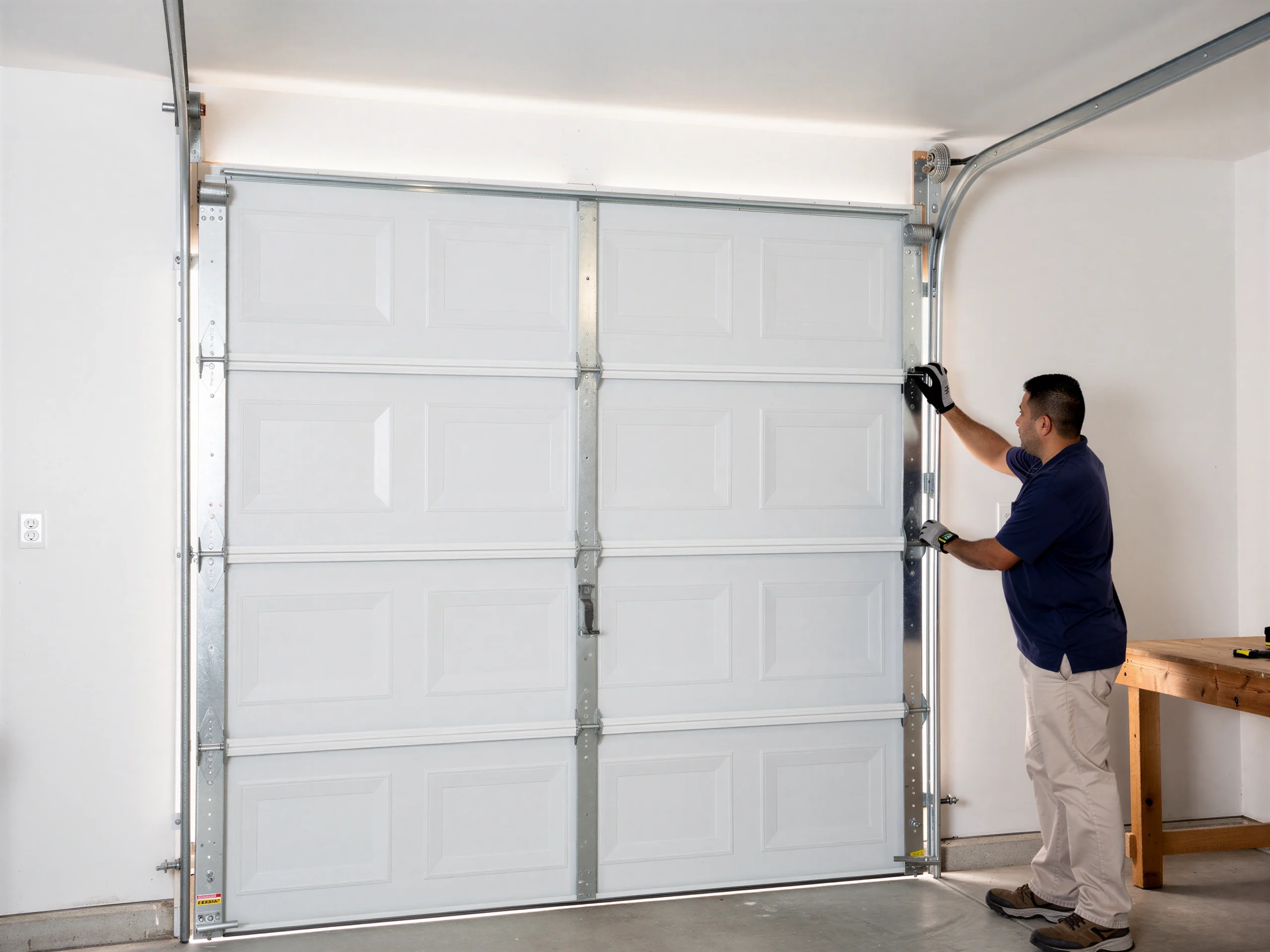
Garden Grove, CA
New Garage Door Installation for Garden Grove Homes
New garage door installation in Garden Grove, CA, built for 1960s-70s tract homes and mild coastal-valley climate - sized, insulated, and installed right.
The Symptom
You notice it before you can name it. The door sags at one corner when it's down. Daylight shows along the bottom seal even with the weatherstrip still in place.
Spongy, rusted panels
The opener strains and clunks partway through the cycle, like it's fighting the door instead of lifting it. Panels have gone soft and spongy where old steel has rusted through from the inside, or a wood door has dried, cupped, and split along the grain. This isn't the kind of wear you patch your way out of.
Hardware built for another era
A spring swap or a new roller set fixes a door that's otherwise sound. What you're looking at is a door built for a house that's now 50 to 80 years old, running on hardware designed for a completely different weight and width than what's actually hanging on it.
Original steel reaching end
Most houses on this side of Garden Grove went up between 1938 and 1995, with the median landing around 1966, which means a lot of original one-layer steel doors are reaching the end of their service life at the same time, on tracks and springs nobody stocks new parts for anymore. If the symptom is a door that's tired everywhere at once rather than broken in one spot, installation is usually the honest answer, not another repair bill.
What Causes It Around Here
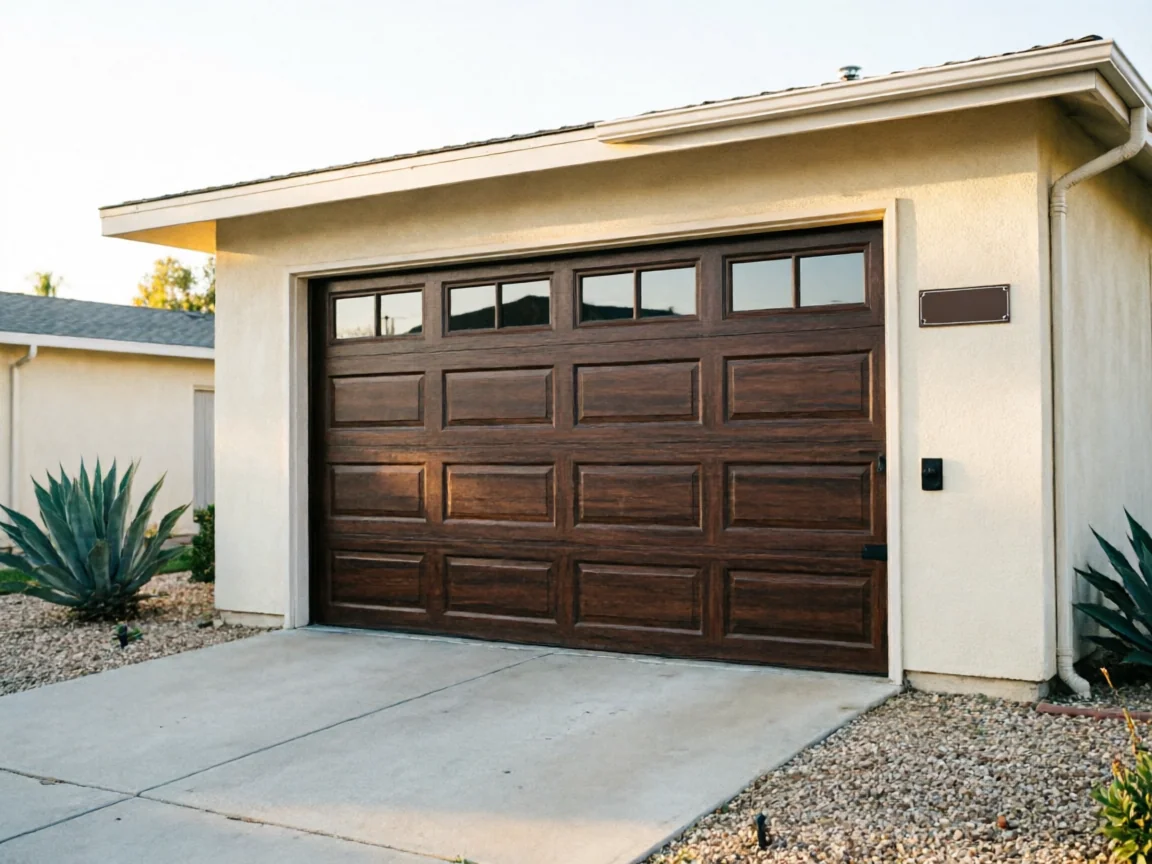
Across the 57 named areas that make up this stretch of housing stock, the bulk of it was built in the 1960s and 70s, which is a specific era for garage doors: single layer, no insulation core, galvanized steel over a wood or steel frame, hung on torsion hardware sized for lighter doors than the double-wide sectional doors people want today. That original hardware was never built for 50-plus years of daily cycling.
Garden Grove sits in a mild temperate band, so the doors here fail from age and UV-dried weatherstripping, not from freeze-thaw cracking or hail dents. That's actually good news and bad news both. Good, because you're not fighting the structural damage that cold climates put into door tracks and panels. Bad, because without that obvious storm trigger, owners tend to keep patching a worn-out door well past the point where a new install would've saved money. Steel fatigues slowly here. Wood dries and checks slowly here. The failure sneaks up as stiff operation, hairline rust, and a panel that's lost its shape, rather than one dramatic break.
So when we get a call on a house from that 1960s-70s band, we're not surprised to find the whole door - not just one part of it - is past the point of being worth saving.
The DIY Question
A lot of what you can do yourself on a garage door is routine upkeep: lubricating rollers and hinges, wiping down track, tightening a loose bracket bolt.
Installation is a different job
None of that is installation, and none of it fixes a door that's genuinely at the end of its run. Actually swapping in a new door is a different job.
Heavy panels, dangerous tension
A standard double door panel set weighs more than most people expect, and it's going up (or coming down) under spring tension strong enough to break fingers or worse if the torsion spring lets go while you're working the track.
Big-box kit installs declined
We don't recommend doing a full install yourself, and we'll say so plainly even though it costs us a sale: if you bought a boxed door kit from a big box store and want us to just show up and bolt it in, we'll do the labor, but we won't warranty the install if the kit's track or spring spec doesn't match your opening - that mismatch is on the kit, not on our work.
Measuring before the call
Where DIY makes sense is the stuff before you call: measuring your rough opening width and height accurately, checking whether your current header has room for an insulated door's thicker panel, and deciding if you want an opener swapped at the same time. Bring us real numbers and we can quote faster.
Getting It Booked In
We install in Garden Grove and the close-in cities around it - Stanton two miles off, Westminster and Midway City three miles out, Cypress at five, Los Alamitos and Buena Park at six.
Tract-home doors nearby
If you're out toward Stanton, two miles up, or Westminster, three miles over, you're looking at the same 1960s tract-home doors we replace every week in Garden Grove, so the measurements, the header clearance, and the spring sizing all run on the same logic.
Replace over repeated patching
With a median household income of $97,712 across the service area, most owners here replace rather than patch a door once the torsion spring and the steel skin both show their age - the math on a full install versus repeated repairs usually points the same direction once a door's past 40 years old.
What we need to book
To get a job booked, we need the rough opening size, a couple of photos of the current door and track, and whether you want the opener replaced in the same visit. From there we can give you a real quote instead of a phone guess.
Questions
Common questions
How do I know if I need a new door instead of a repair?
If the spring or opener is the only thing wrong and the panels and track are straight, repair usually makes sense. If the panels are warped, rusted through, or the whole door has gone stiff and uneven, you're past the point where a repair holds for long, especially on doors from the 1960s-70s housing stock common around Garden Grove.
Can I install a garage door myself?
You can, but the spring tension and panel weight make it a job with real injury risk, and we don't recommend it. If you've already bought a door kit and want it installed, we can do the labor, but we won't warranty the fit if the kit doesn't match your opening.
Does Garden Grove's climate affect how long a door lasts?
The mild temperate climate here means you're not dealing with freeze-thaw cracking or hail damage like colder regions see. Doors here wear out slowly from age, UV exposure on seals, and metal fatigue rather than sudden storm damage, so failure tends to show up gradually across the whole door at once.
What areas do you install in besides Garden Grove?
We cover the cities close to Garden Grove, including Stanton, Westminster, Midway City, Cypress, Los Alamitos, and Buena Park, along with other nearby communities within about a dozen miles.
Explore more
Explore More Services In Garden Grove, CA
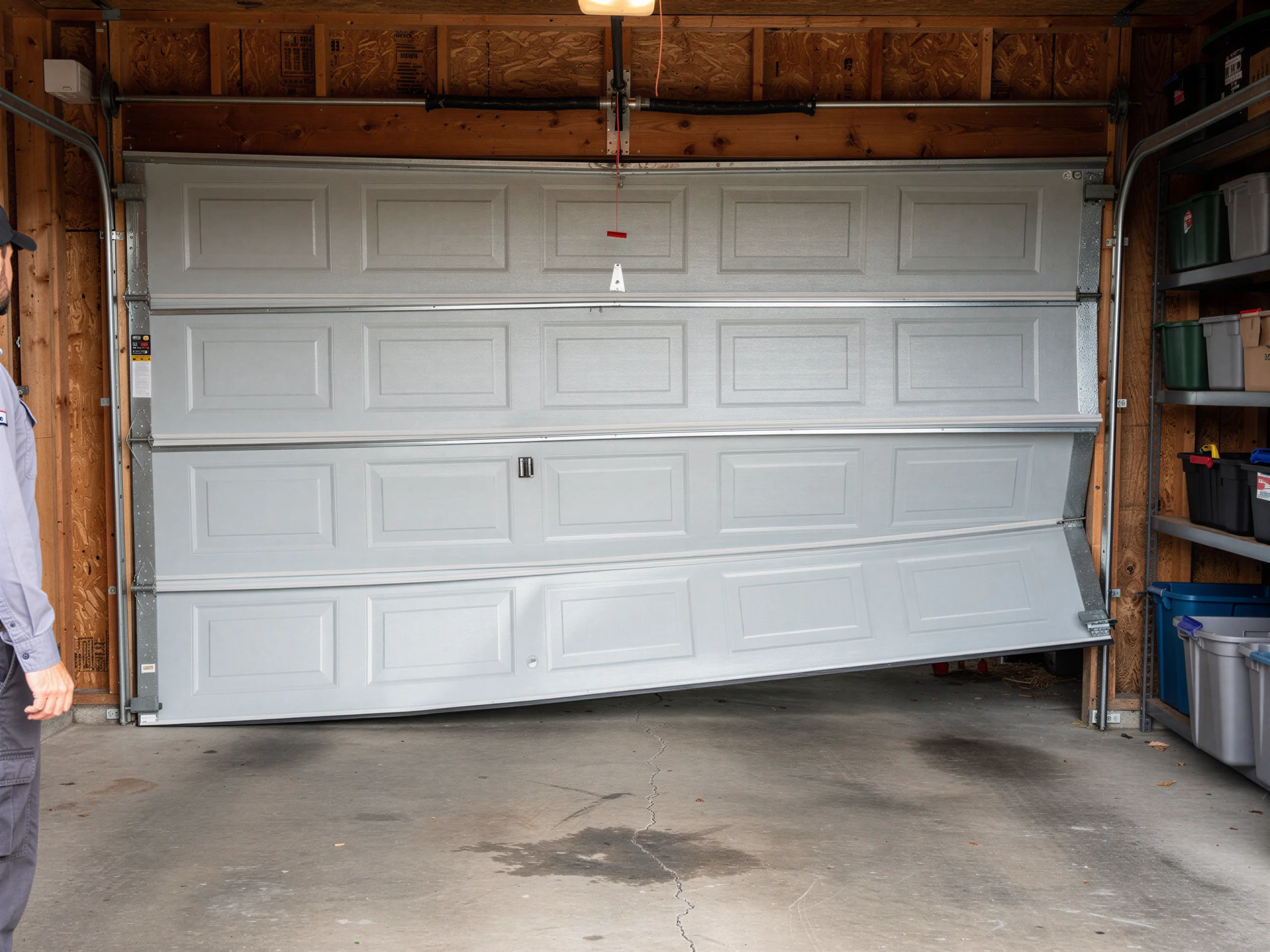
Garage Door Off Track? Here's What's Going On
Garage door off track in Garden Grove? Learn more →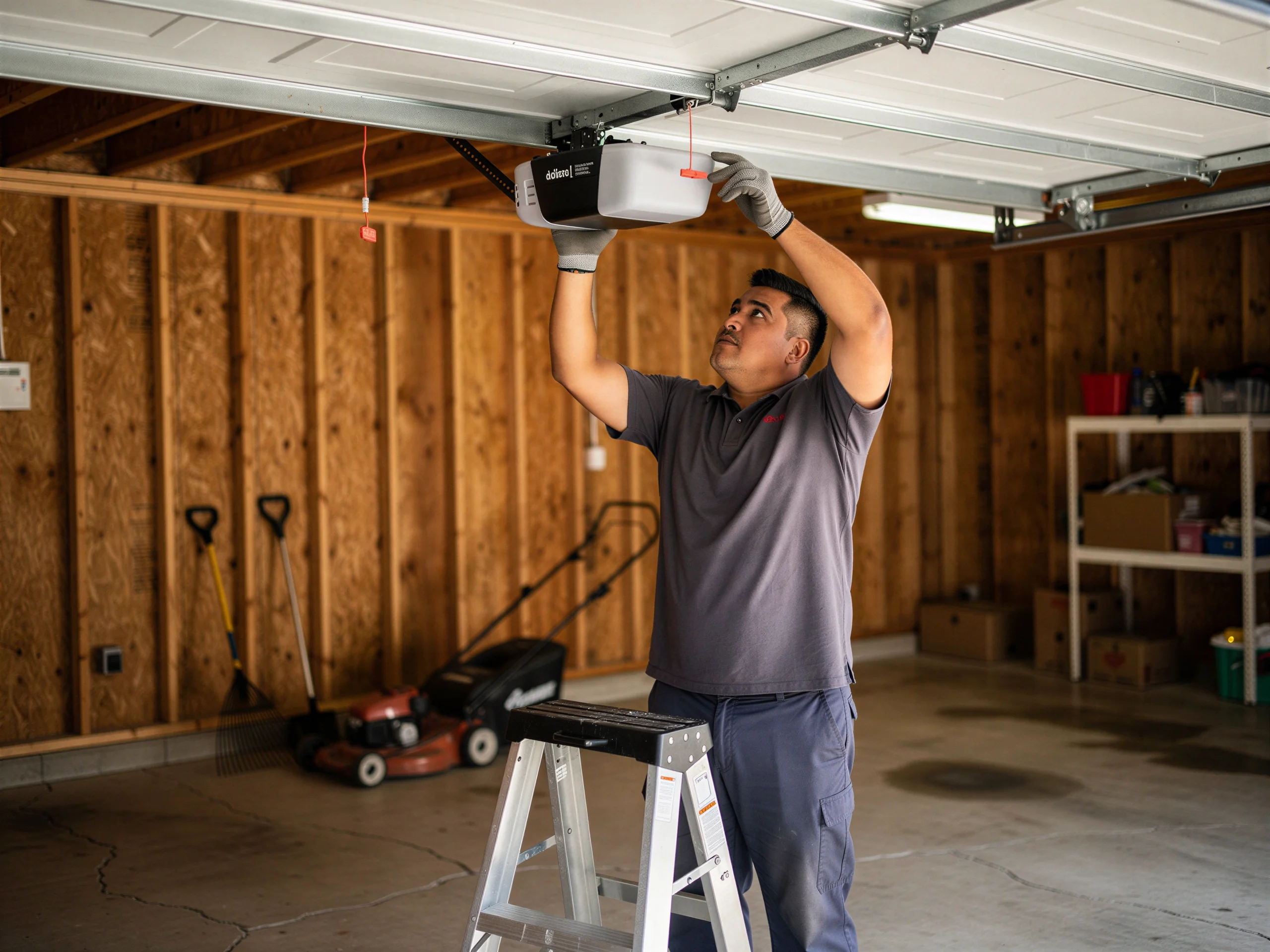
Garage Door Opener Installation for Garden Grove Homes
Openers fail differently on Garden Grove's 1960s-era garage framing. Learn more →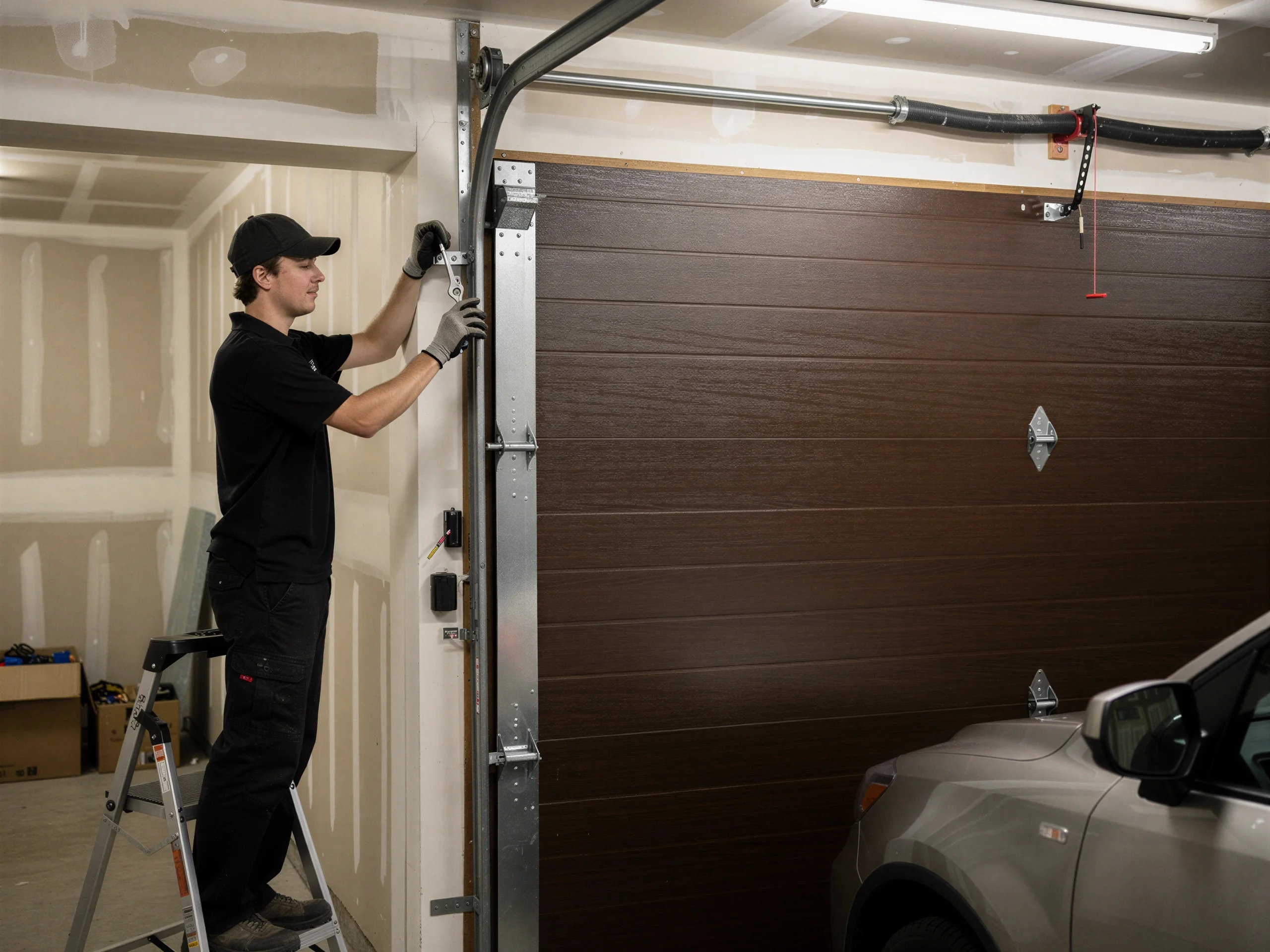
Garage Door Repair for Garden Grove's Older Housing Stock
Torsion spring and opener repair for Garden Grove homes built 1938-1995. Learn more →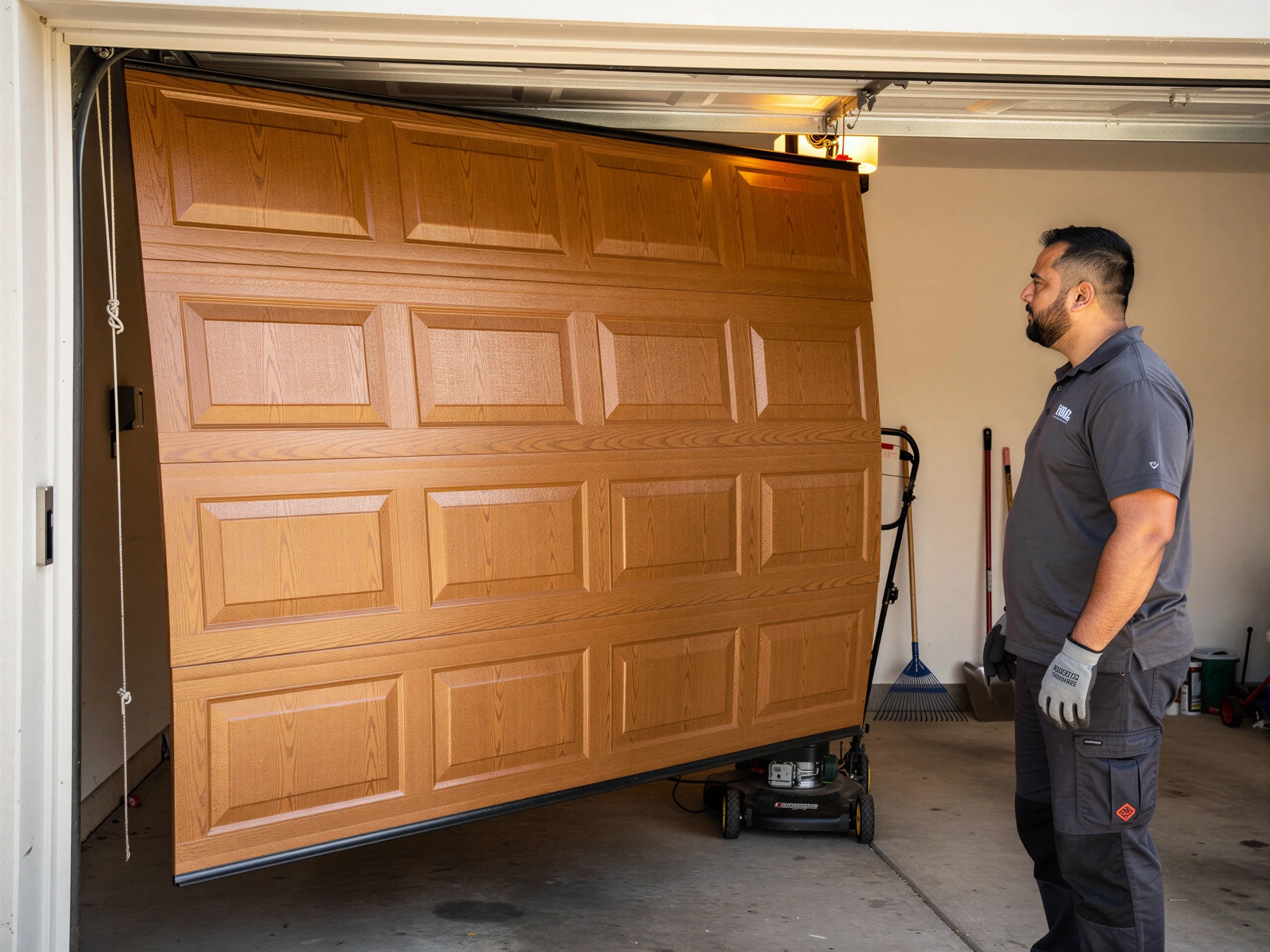
Garage Door Cable Repair, Garden Grove
Frayed or snapped garage door cables are common on Garden Grove's 1960s-era homes. Learn more →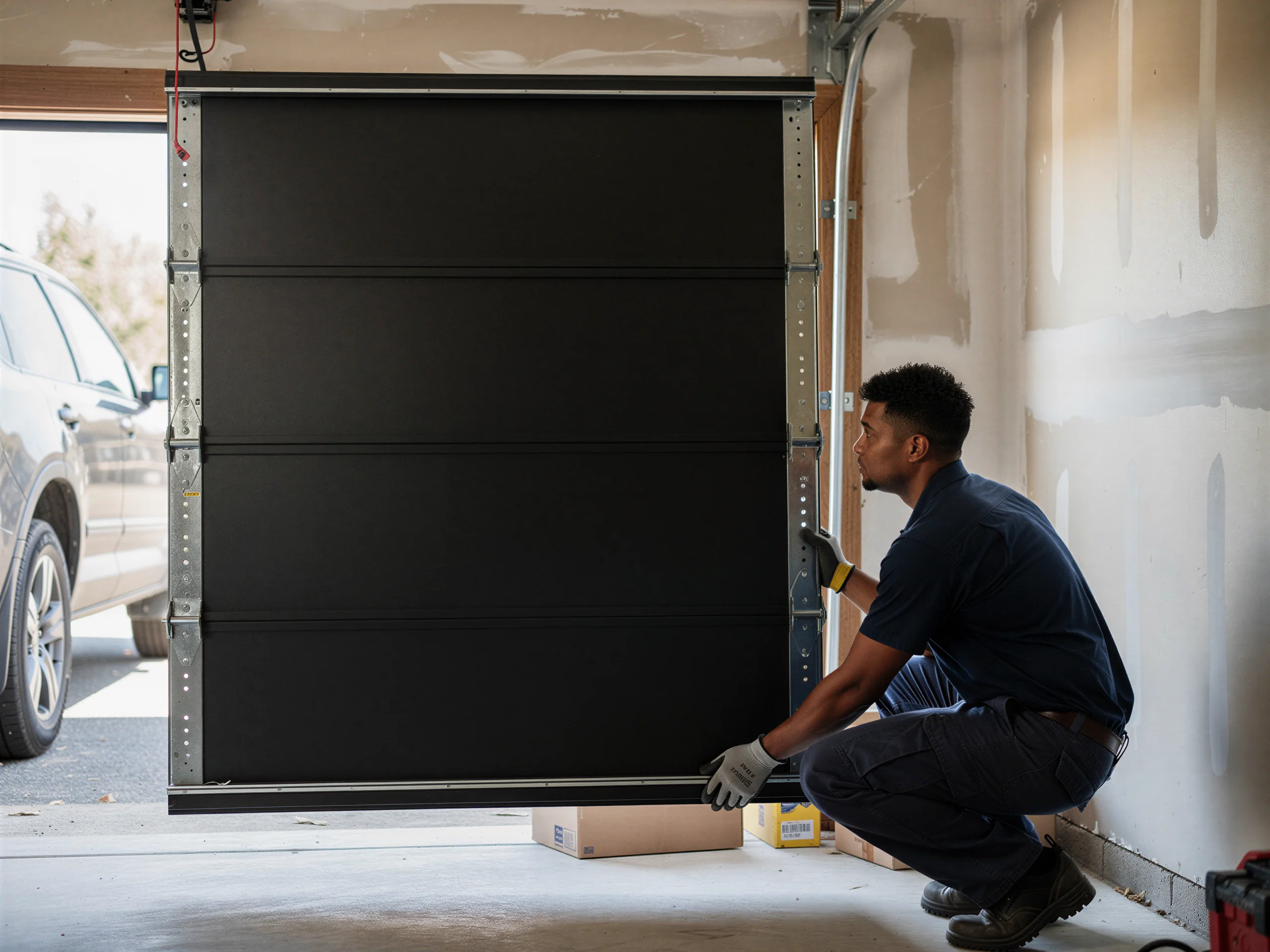
Garage Door Service for Garden Grove's 1960s and 70s Housing Stock
Garage door service for Garden Grove homes built mostly in the 1960s and 70s - original hardware, worn rollers, and springs sized for doors that are decades old. Learn more →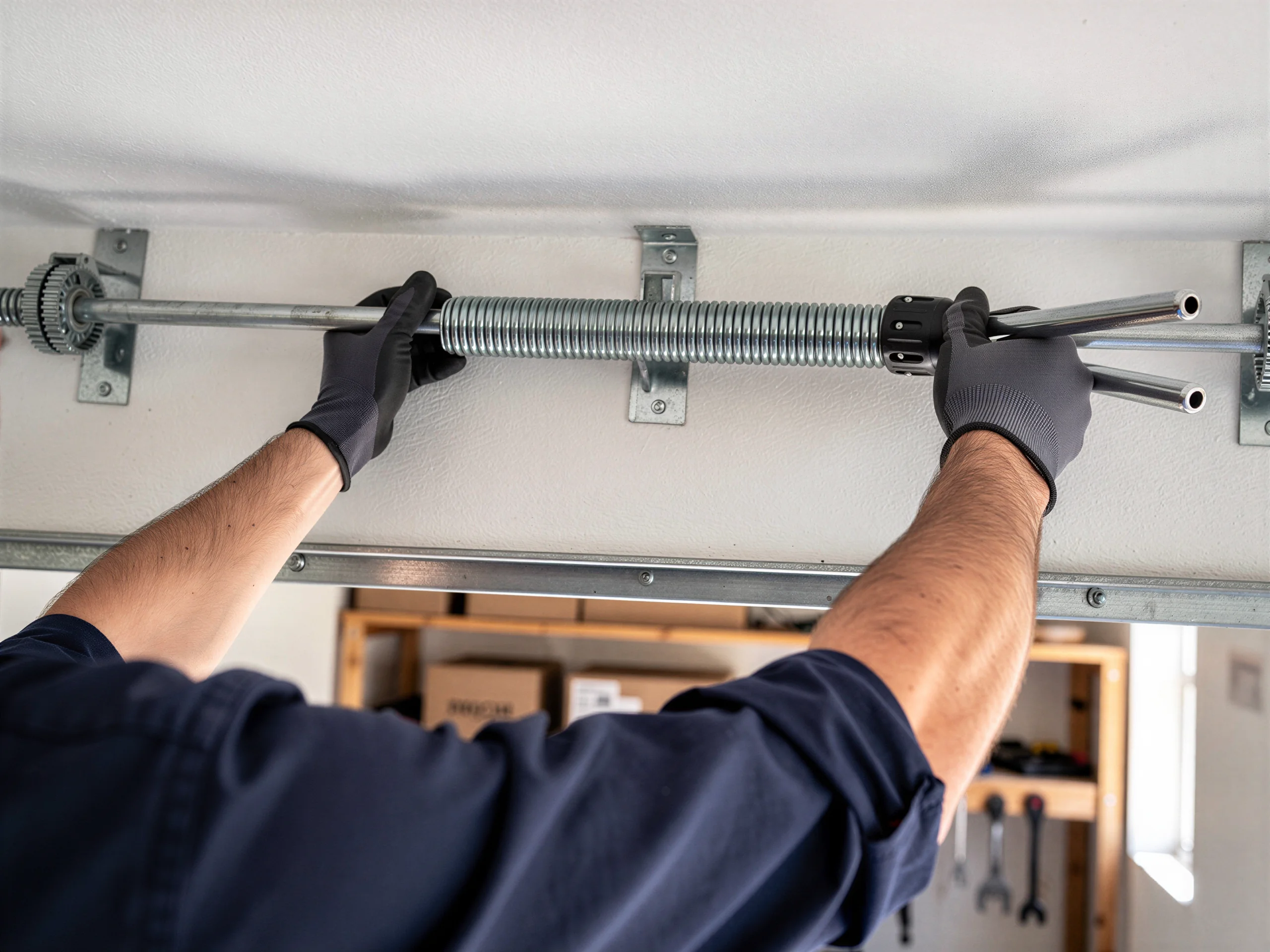
Garage Door Spring Repair for Garden Grove Homes
Broken torsion spring on a Garden Grove garage door? Learn more →Ready when you are
Ready for a new garage door in Garden Grove?
Garden Grove Garage Door Pros repairs and installs garage doors, springs and openers in Garden Grove, CA and the surrounding area.