
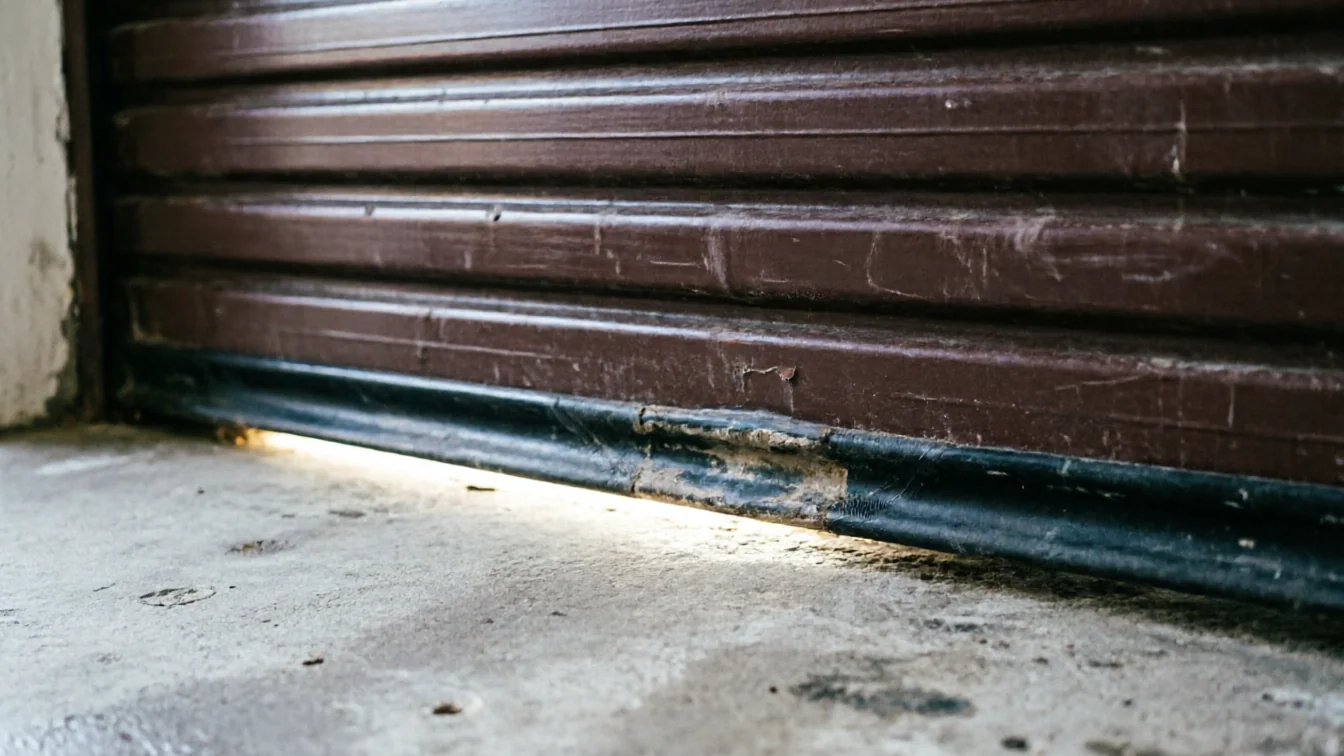
 Weather Seals and Draughts in Garden Grove Homes
Garden Grove homes built mostly in the 1960s have original seal channels that don't fit today's weatherstripping.
Why Safety Sensors Drift in Garden Grove Garages
Garden Grove homes built 1938-1995 often have sensor brackets that have shifted over decades. Here's why alignment drifts and what to do about it, from a local garage door crew.
Local detail
When to Get Help
If your door reverses before it touches the floor, or the opener light blinks and the door won't close at all, that's the safety sensors telling you something's off. On a lot of Garden Grove houses, this shows up as a door that closes fine in the morning and refuses by evening, or one that works for weeks then suddenly won't shut unless someone holds the button down. That inconsistency is the tell. A sensor that's fully dead usually throws a steady blink code and stops the door every time, no exceptions. A sensor that's drifting gives you an intermittent fault, and intermittent is worse to live with because you can't predict it. If you're bending down to find the beam with your hand, or the door closes only when you stand in a certain spot waving at the eye, call someone before you train yourself around a safety device instead of fixing it. That's backwards, and it's also the point where people usually start rigging eye-level shims out of cardboard, which brings its own problems.
The area
What Local Conditions Do
Garden Grove sits in a mild temperate band, so we don't get the freeze-thaw cycles that crack concrete slabs or the triple-digit swings that warp metal brackets fast. That's the good news. The slower, quieter problem here is decades of small shifts: slab settling, bracket screws backing out a thread at a time, and track mounts flexing slightly every time the door runs. None of that is dramatic enough to notice in the moment, but it adds up over 50, 60 years, which matters a lot in a city where median housing age is 1966 and most stock dates 1938-1995. A door that's been rolling on the same track bracket since the Johnson administration has had a lot of chances to nudge that sensor eye a few degrees off true. Mild climate means the sensors themselves rarely fail from heat or ice. What fails is the mounting - the bracket, the screw, the slab it's anchored to.
What we find
The Problem
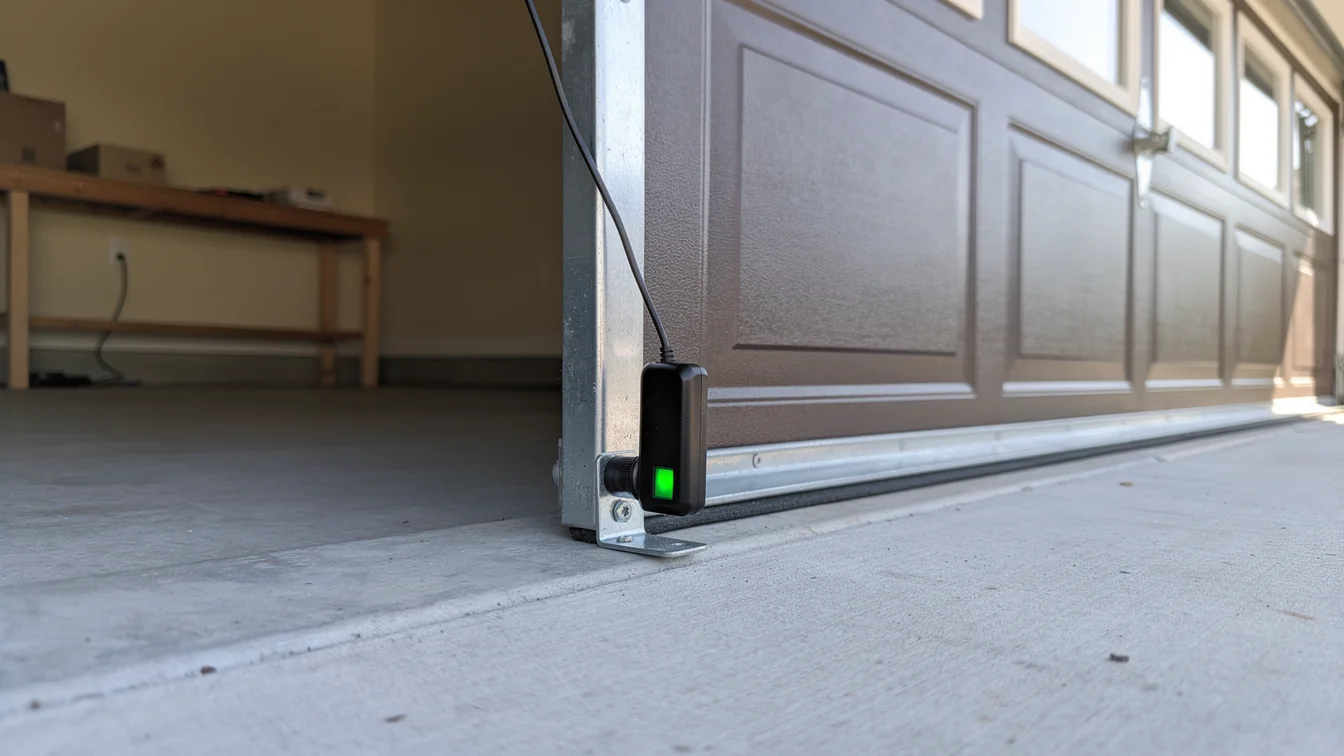
Safety sensors work because two eyes, one on each side of the opening, point directly at each other and hold a steady infrared beam a few inches off the floor. Break that beam and the door won't close. The sensors themselves are usually fine for years; it's the aim that goes bad. On homes from the 1938-1995 stock common across this area, the brackets were often screwed straight into aging wood jambs or masonry that's moved slightly with the slab underneath it. Every time someone bumps a sensor wire with a bike, a trash can, or a ladder, the bracket can twist a hair. One bump doesn't matter. Fifty years of bumps does. The eye ends up aimed a degree or two off, which is nothing to your eye but everything to an infrared beam trying to hit a target 9 or 12 feet away. Add in a slab that's settled unevenly - common in older construction across the 57 named areas in this part of the county - and the two brackets are no longer level with each other at all.
How we work
Where People Go Wrong
The first mistake is assuming a drifting sensor means a bad sensor and replacing both eyes when the actual problem is a loose or twisted bracket. New sensors bolted to the same crooked bracket drift again in a few months. The second mistake is over-tightening the adjustment screw to force alignment - that strips the plastic housing, and then you've got a sensor that won't hold any position at all. The honest limitation here: if the bracket mount itself is cracked or the jamb wood underneath is rotted out, no amount of sensor adjustment fixes it, and that's a repair job on the frame first, sensor second. We don't patch a sensor onto a mount that can't hold it straight. If you've got a door that's been in a Garden Grove house since the 60s or 70s and the sensors have never once been realigned, that's usually the actual fix - not new parts, just squaring up what's there.
Questions
Common questions
Why does my garage door sensor work in the morning but not at night?
That's almost always a sun or light issue layered on top of a slightly misaligned eye, not a dead sensor. Direct light hitting the receiver can mask a beam that's already borderline. Garden Grove's mild climate means this is rarely about temperature - it's about a bracket that's drifted just enough that lighting conditions tip it over.
Can I realign the sensors myself?
Loosen the wing nut or screw, gently move the eye until the light goes solid, then retighten without overtightening the plastic housing. It's a reasonable DIY job if the bracket itself is solid. If the bracket is cracked, loose in rotted wood, or the slab underneath has shifted, realignment won't hold and you need the mount fixed first.
Why do older Garden Grove homes have this problem more than newer builds?
Houses built in the 1938-1995 range that make up most of the local stock have had decades for brackets, jambs, and slabs to shift a little at a time. Newer construction hasn't had that much time to drift. It's not a defect in the original install - it's just years of small movement adding up.
Recommendation
You Might Also Like
More garage door guides for Garden Grove homeowners.
Weather Seals and Draughts in Garden Grove Homes
Garden Grove homes built mostly in the 1960s have original seal channels that don't fit today's weatherstripping.
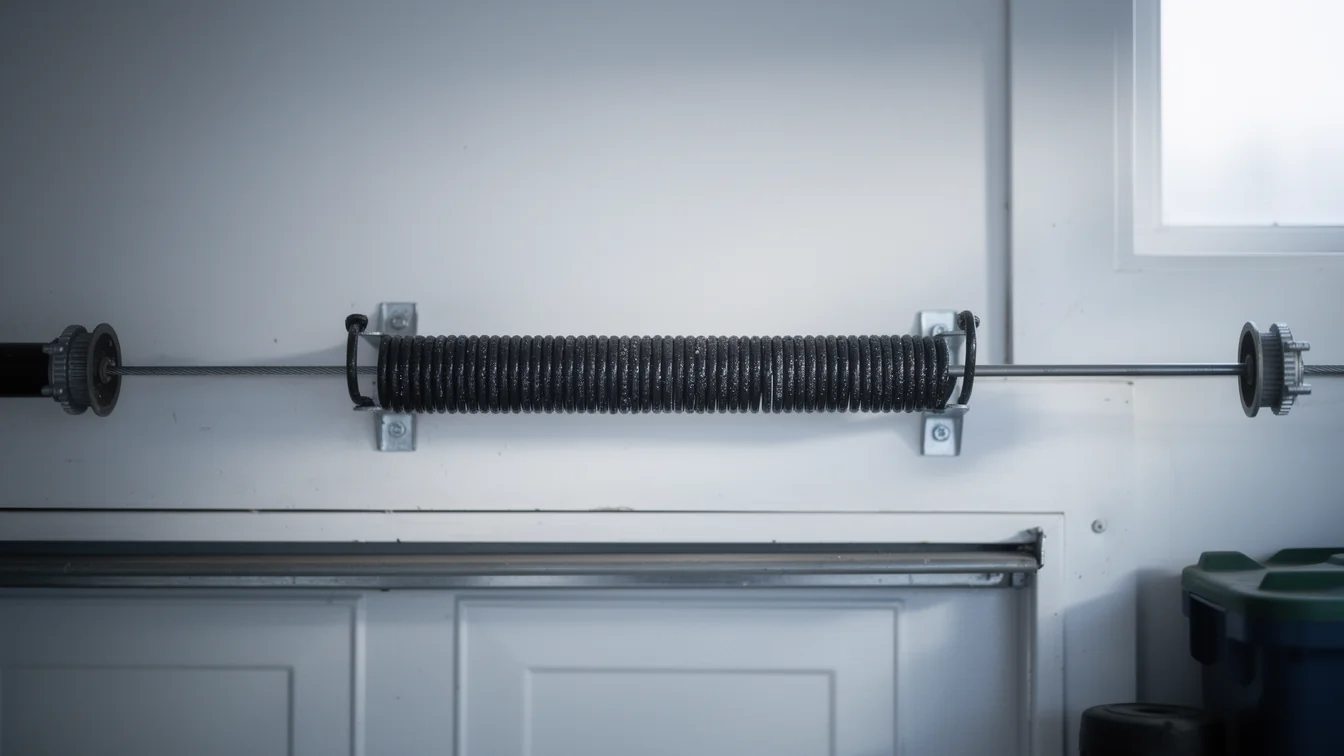 When a Spring Goes in Cold Weather in Garden Grove
Garden Grove's 1960s-70s housing stock means original torsion hardware is decades old.
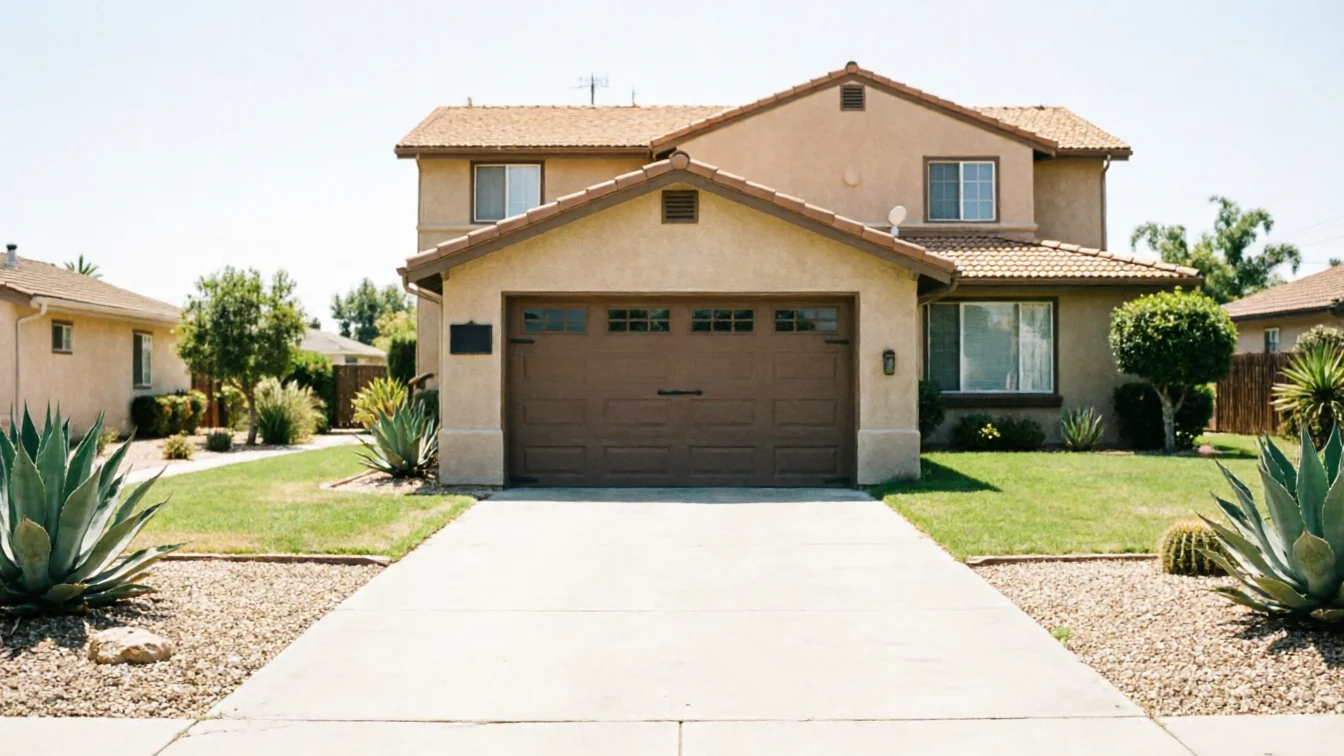 Detached and Attached Garages Fail Differently Here
Garden Grove's housing stock runs 1938-1995, and that era split the city between detached garages and attached ones.
Ready when you are
Need a garage door sorted in Garden Grove?
Garden Grove Garage Door Pros repairs and installs garage doors, springs and openers in Garden Grove, CA and the surrounding area.