
West Covina, Garden Grove
Garage Door Repair for West Covina's 1960s Houses
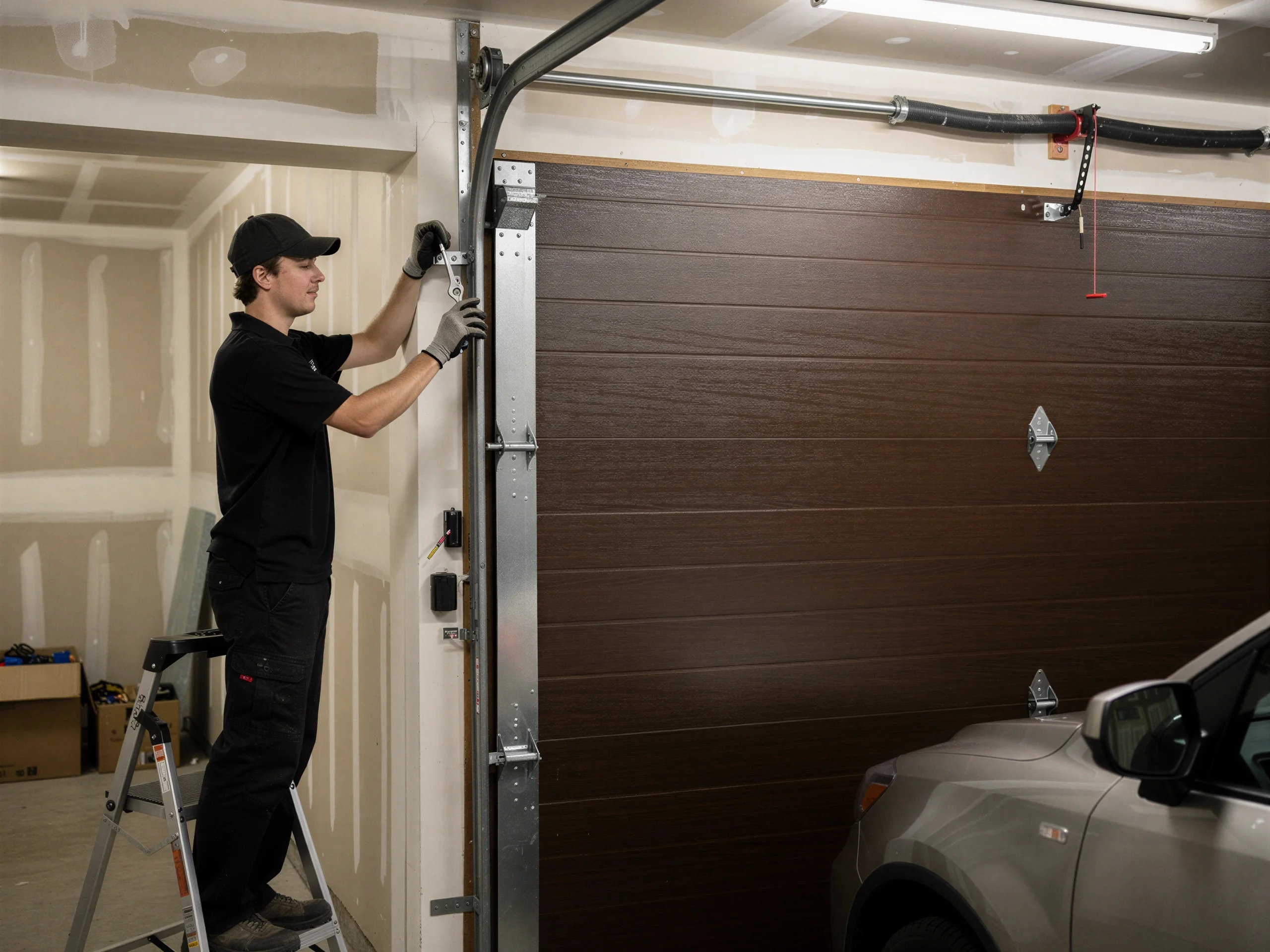
Garage door repair for West Covina's 1960s housing stock - extension springs, lightweight panels, and the hardware that came standard around 1968.
Time on the Job
West Covina sits about 19 miles out from our Garden Grove shop, so a call here isn't the same as one two miles down the road in Stanton.
No same-day walk-in
We still take the job, but we build the drive into how we schedule it - we're honest that West Covina isn't a same-day walk-in the way closer stops are. What we won't do is promise a window we can't hit just to book the call.
Distance never rushes work
Tell us what the door is doing and we'll give you a real time, not a hopeful one. The upside of the distance is that we don't rush the work to make up for the drive. Once the truck's there, the job gets the same attention a two-mile call gets - diagnosis first, then the fix, not a guess.
Original 1960s hardware
For a house in West Covina, that usually means checking hardware that's been in place since the 1960s, because that's when most of this housing went up and a lot of the original gear is still hanging on.
Stocked Parts
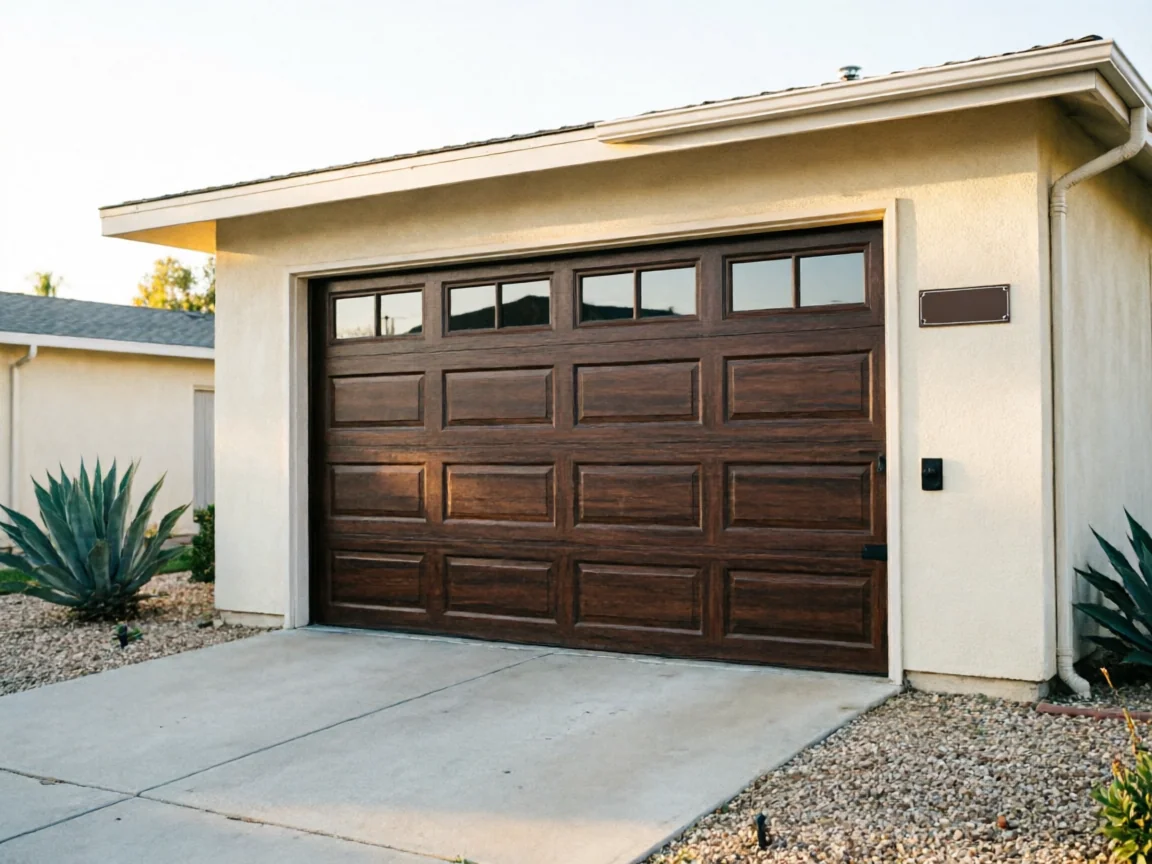
Houses in West Covina mostly date to the mid-1960s, with 1968 as the rough midpoint for when these garages were framed. That era means extension springs on a lot of doors instead of torsion, lighter single-layer steel or wood panels, and drums and end bearings sized for hardware nobody's made new in decades.
Extension spring pairs stocked
We stock the parts that actually fail on doors that age - extension spring pairs, pulley wheels, the older-style track brackets - rather than showing up with inventory built for a newer subdivision. We can't carry every obsolete part ever made.
Wood and hinge special orders
Some original wood panels or specialty hinges on a house this old may need a special order, and we'll tell you straight if that's the case instead of forcing a part that doesn't fit.
Familiar build-era patterns
Most of the time, though, a door from this build era is a known quantity - we've seen the pattern enough to know what's usually in that garage before we open it.
The DIY Question
An extension spring under tension can put someone in the hospital, and a lot of West Covina garages from the late 1960s still run on that setup rather than torsion.
Spring force warning
If a spring's broken or the door's come off a cable, that's not a weekend project - the spring is storing enough force to snap a hand or a cable to whip across a garage. Lubricating hinges, tightening a loose bracket, or swapping a remote battery - fine, do that yourself.
Injury from drums
Where people get hurt is reaching into the spring system or the cable drum on a door that's been hanging with the same hardware since the house was built, because that hardware is old enough that it fails without warning.
Drops mean call
If the door won't open, won't stay up, or dropped suddenly, that's a call, not a YouTube afternoon. We'd rather talk you out of a repair that isn't worth doing than let you take the risk alone.
The Symptom
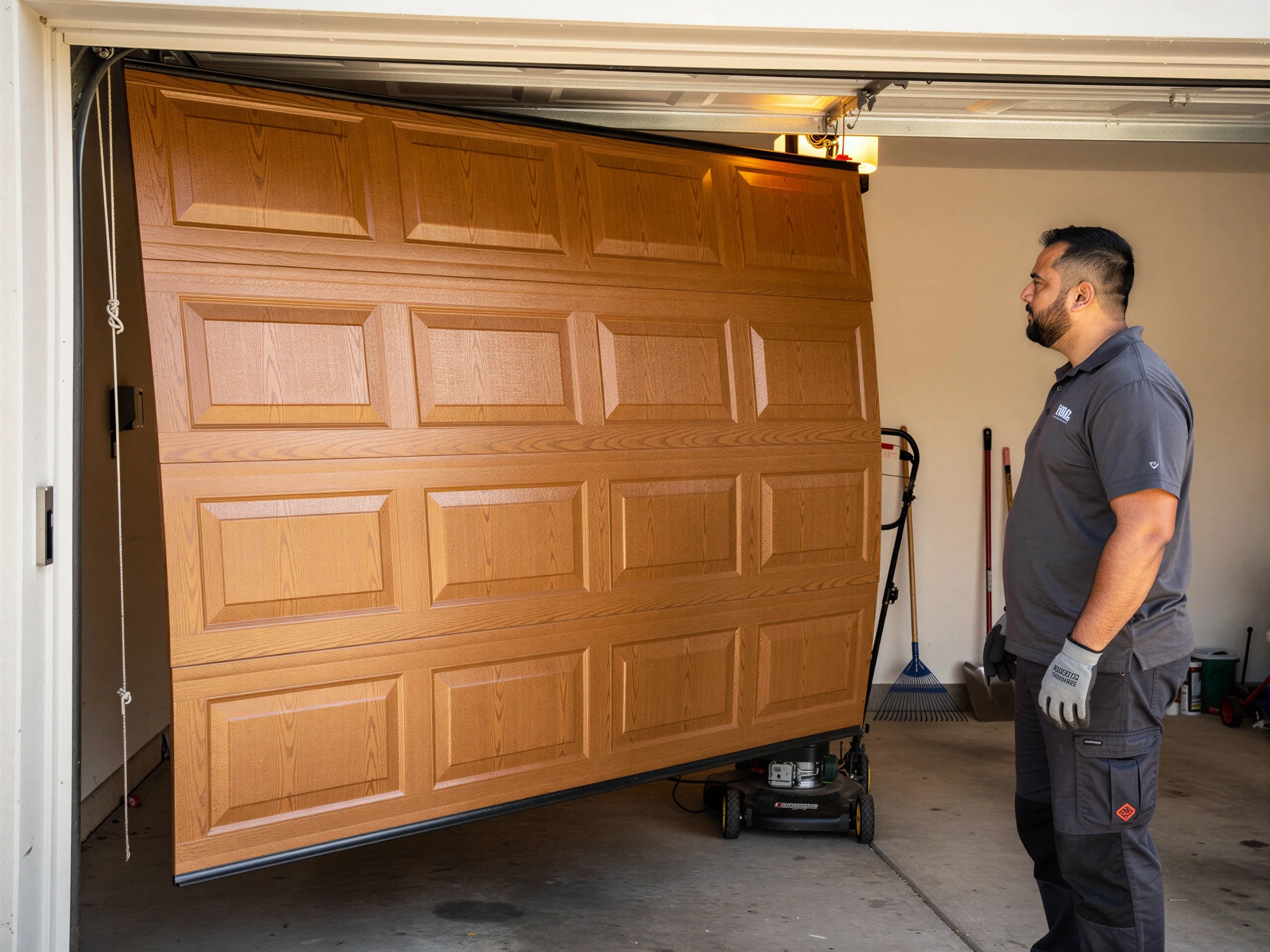
On a house built around 1968, the door usually tells you something's wrong before it quits outright. A sag on one side when it's down, a grinding noise partway through the cycle, or the opener straining and reversing before it reaches the floor - all common on doors running original or near-original extension spring hardware after this many decades. Rollers wear out of round, drums develop flat spots, and the cable starts to fray where it's rubbed the same groove for fifty-some years.
A door that drops fast instead of lowering evenly is usually a spring that's lost tension or snapped outright. One that shudders and reverses mid-close is more often the opener misreading resistance from stiff, aging track hardware. Either way, on housing stock this old, the fix is rarely cosmetic - it's almost always a part that's simply worn past its working life, not a settings problem.
The Cost of This Job
We don't have a posted price list for this page, and we'd rather tell you that than make one up.
Factors that set price
What drives the number on a West Covina call is usually the same two things: what's actually broken on hardware this age, and whether the fix is a part swap or something more involved once we're inside the garage. A door that's run on its original 1960s-era hardware this long sometimes needs more than one thing replaced at once, since parts from the same installation tend to wear out around the same time.
Quote before work begins
We'll give you the number before we start, not after. If a repair is going to cost close to what a new door would run, we'll say so plainly - on a house this age, that's sometimes the honest answer, and we're not going to talk you into patching something that's at the end of its life just to bill the call.
What Causes It Around Here
West Covina sits in the same mild, temperate band as the rest of the area we cover - no heavy freeze, no hurricane wind load - so the hardware failures here come from age and use, not weather extremes. What does the damage over time is just decades of cycling on gear sized for a 1960s garage: springs rated for a lighter original door, track brackets set for a panel that's since been replaced with something heavier, openers retrofitted onto hardware never built to pair with one.
Across the wider area we service, housing runs from the late 1930s through the mid-1990s, with most of it clustered in the 1960s and '70s - West Covina's 1968 median puts it right in that same window. That matters because it means the common failure here isn't a storm-damage story, it's a maintenance story: original hardware finally reaching the end of a long, mild-climate life.
Questions
Common questions
Do you have a branch in West Covina?
No. We run out of Garden Grove, about 19 miles away, and travel out for West Covina calls. We don't claim a local depot or a guaranteed same-day window here - we'll give you a real schedule based on the drive, not a promise we can't keep.
Why does my door still have extension springs instead of torsion?
Houses in West Covina mostly went up in the 1960s, with 1968 as roughly the midpoint, and extension springs were standard on garage doors built then. A lot of that original hardware is still in place, which is why repairs here often involve parts newer subdivisions don't use.
Is my old door worth repairing or should I replace it?
Depends what's failed. If it's one worn part - a spring, a roller, a cable - repair usually makes sense. If several original 1960s-era components are failing at once, which happens on doors this age, replacement can cost about the same and leave you with hardware that isn't about to fail again next year. We'll tell you which situation you're in before we quote anything.
How fast can you get to West Covina?
We don't promise a same-day window for West Covina the way we might for a stop a couple miles from our Garden Grove shop. At 19 miles out, we schedule it honestly based on the drive and what else is on the truck's route that day.
Explore more
More Services in West Covina
Cable Repair
West Covina homes average a 1968 build date and a $98,570 median income. Learn more →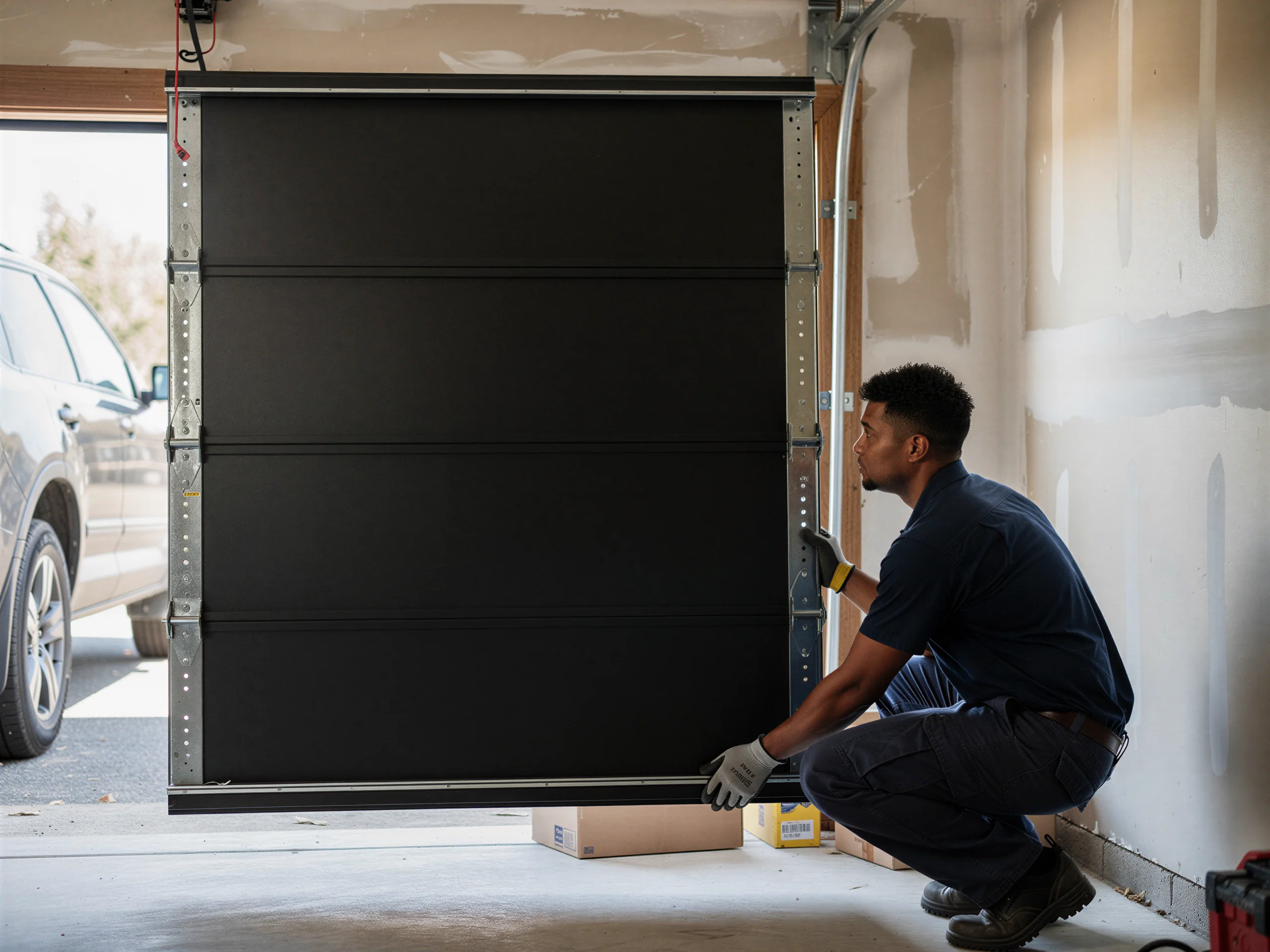
Garage Door Service
We run calls out to West Covina from Garden Grove, 19 miles each way, for doors on houses built mostly around 1968 and the torsion hardware that era left behind. Learn more →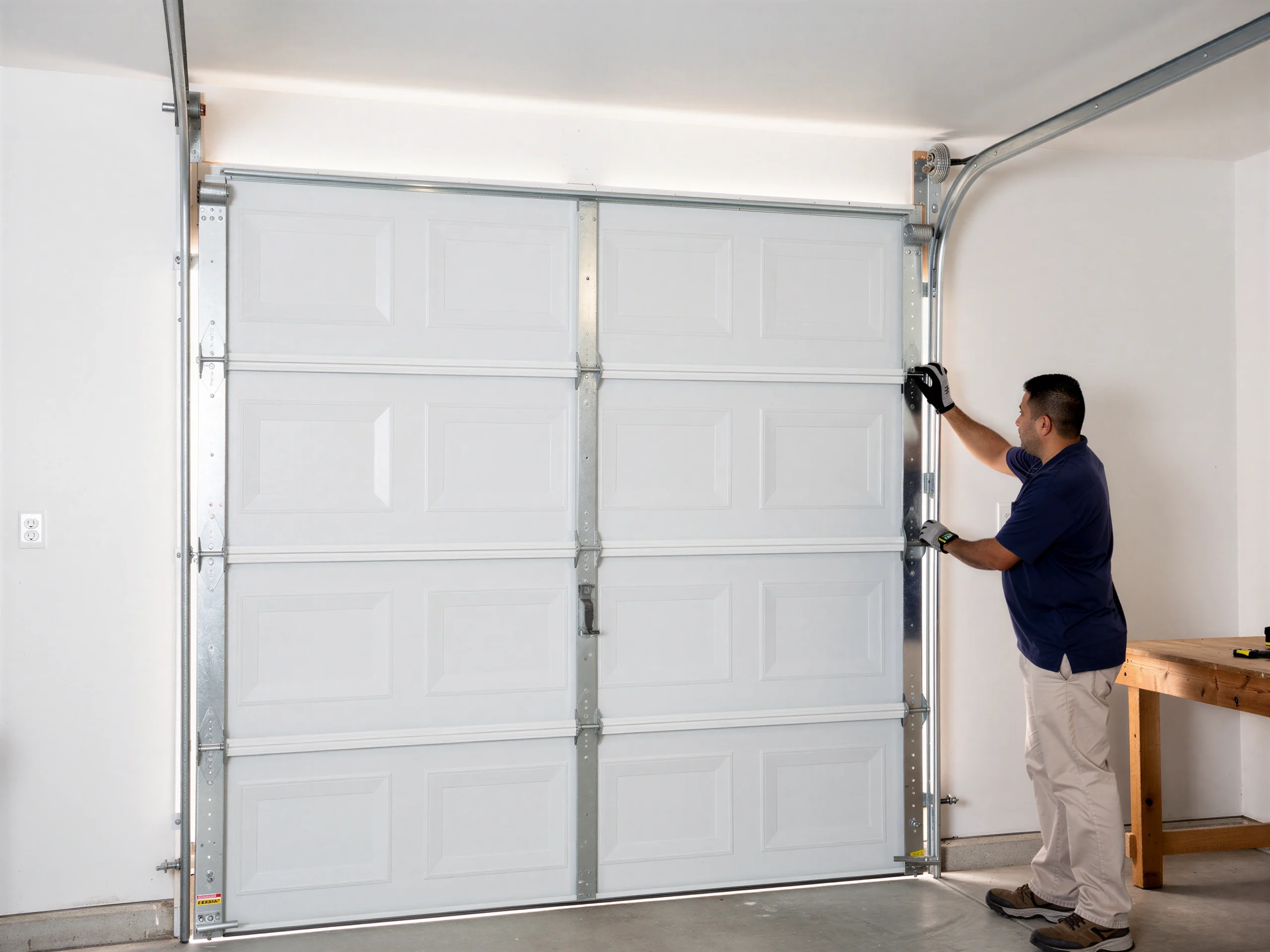
New Door Installation
New garage door installs for West Covina's 1968-era housing stock. Learn more →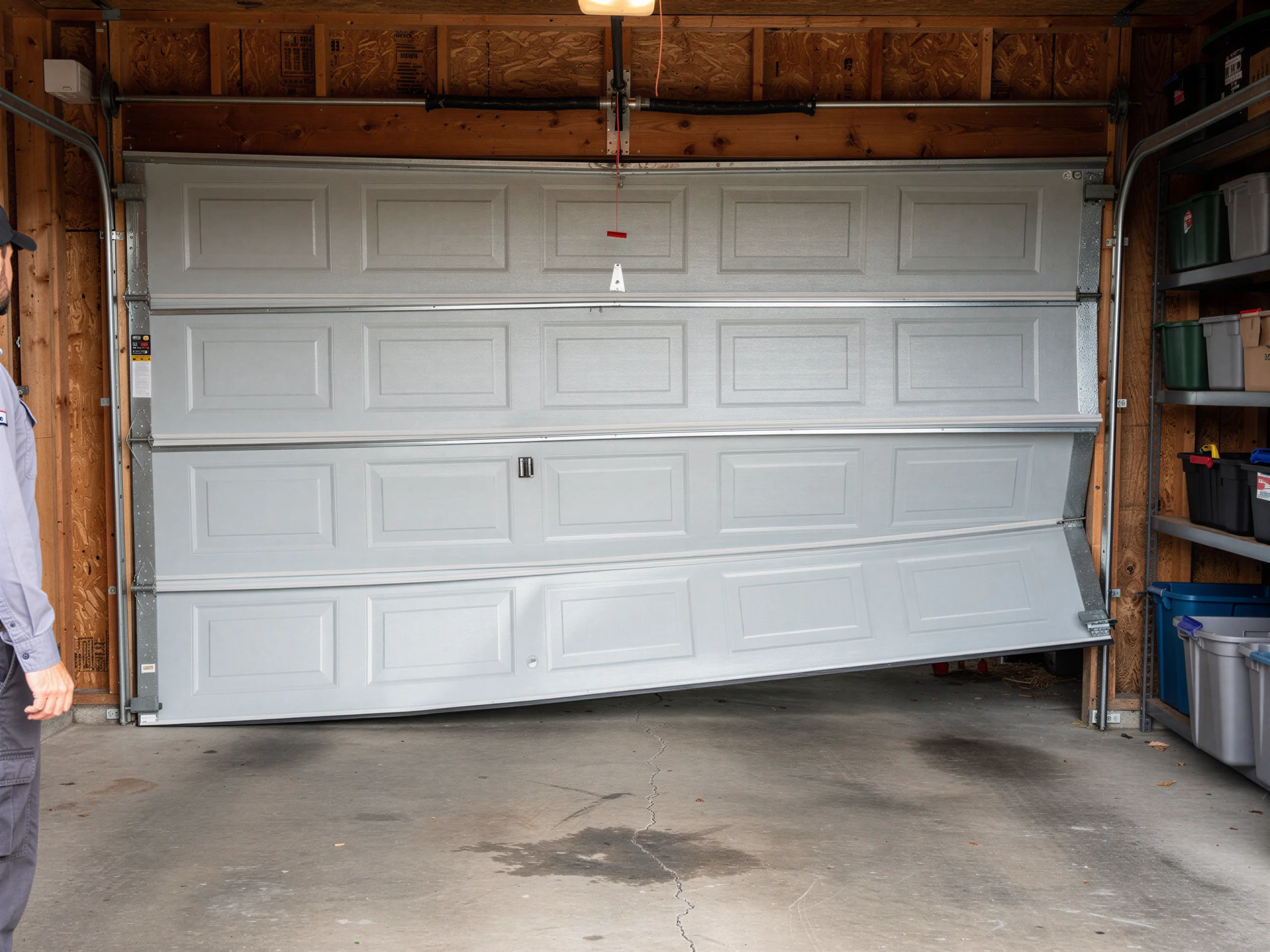
Off Track Repair
West Covina's garage doors mostly date to the late 1960s. Learn more →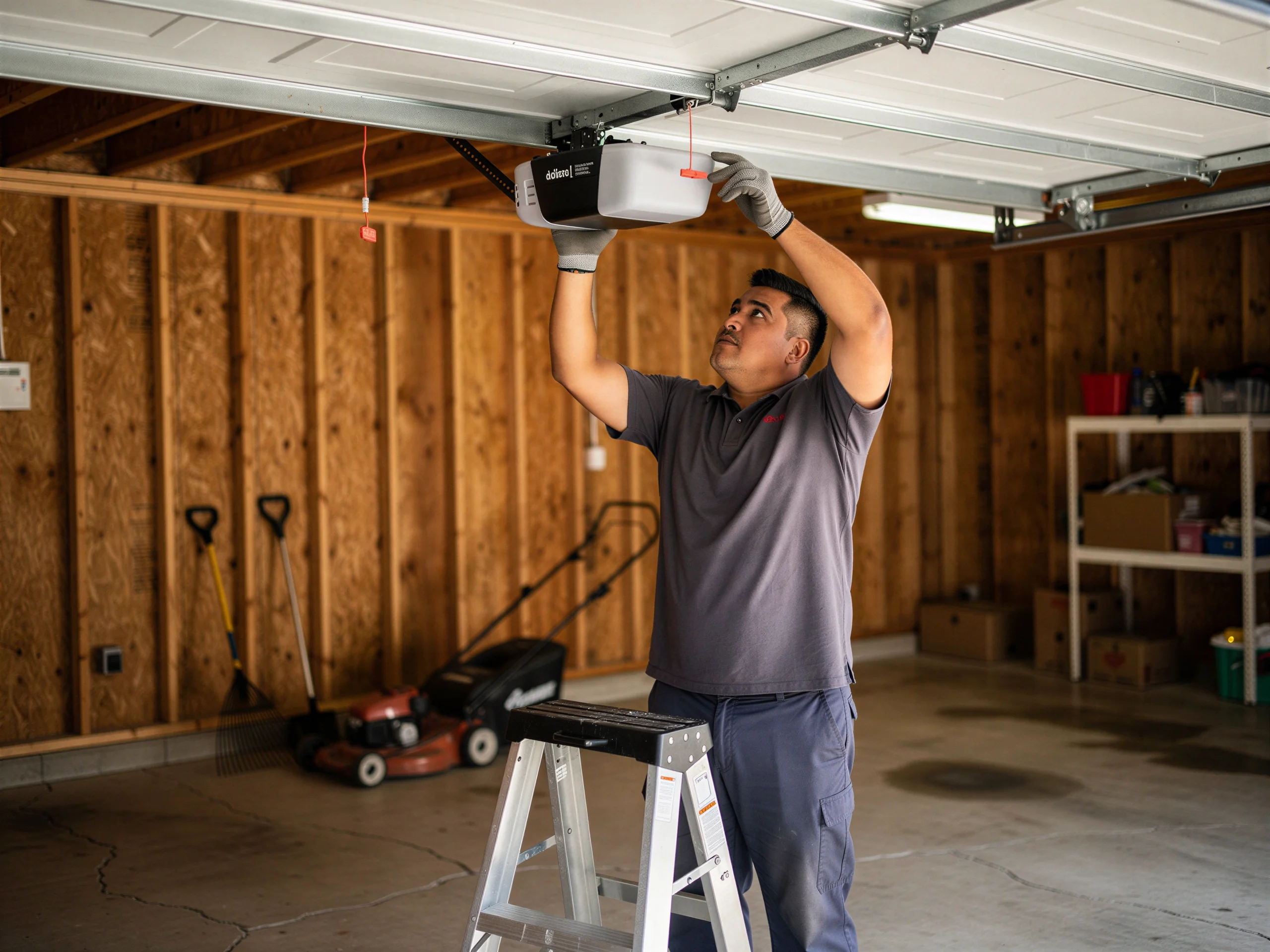
Opener Installation
Garage door opener installation for West Covina's 1968-era homes. Learn more →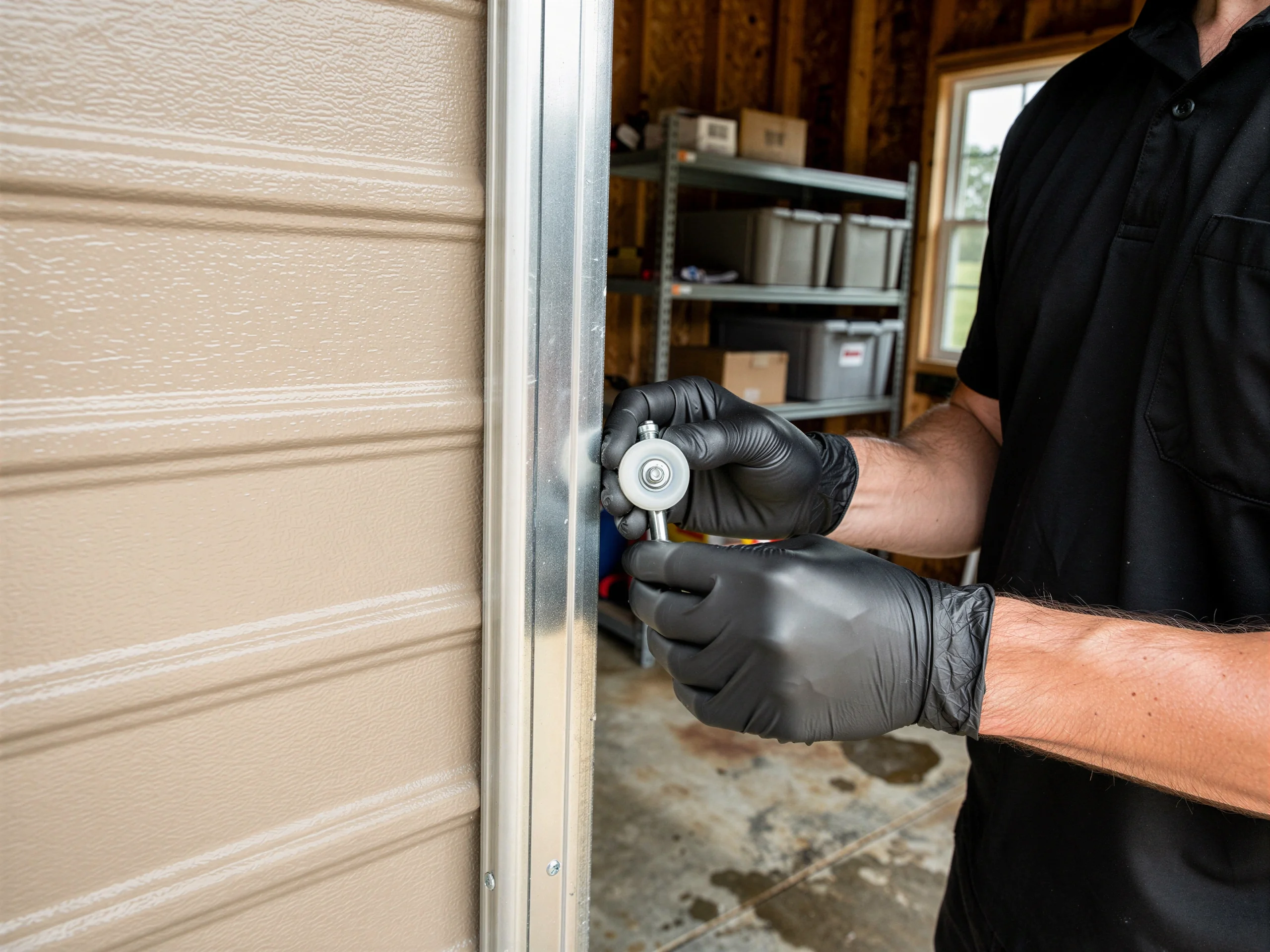
Roller Replacement
West Covina homes built around 1968 often still run original steel rollers. Learn more →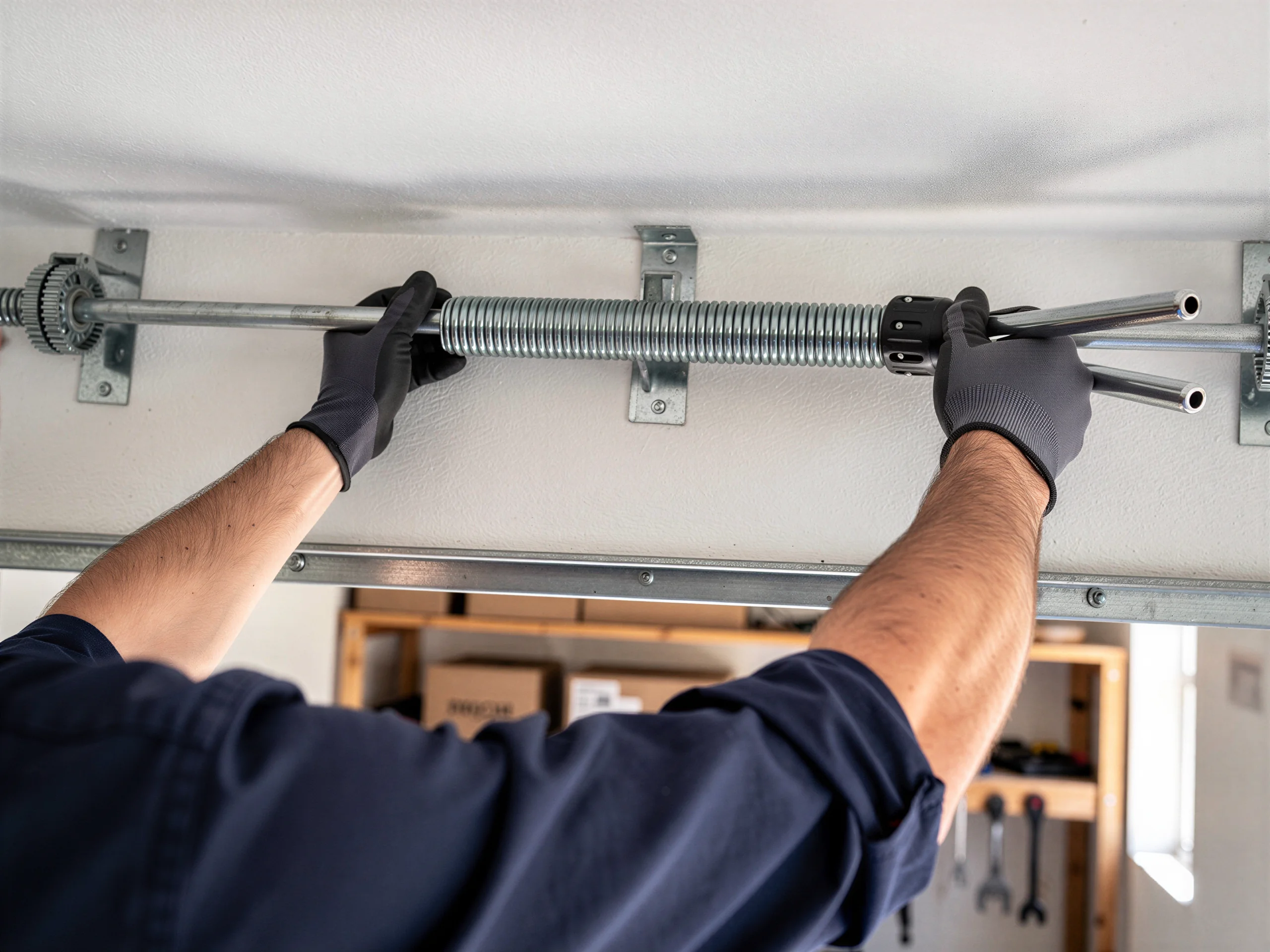
Spring Repair
West Covina's garage doors date mostly to the late 1960s - wide steel panels on torsion springs built for a house, not a door twice its weight. Learn more →Ready when you are
Garage door trouble in West Covina?
Garden Grove Garage Door Pros repairs and installs garage doors, springs and openers in Garden Grove, CA and the surrounding area.