Lakewood, Garden Grove
Garage Door Repair for Lakewood's 1957-Era Housing Stock
Lakewood's houses mostly went up in 1957, years before extension springs gave way to torsion. We travel from Garden Grove to fix what that hardware era left behind.
The Symptom
Most houses in Lakewood went up around 1957, which puts a lot of this town's garage doors on hardware that predates the torsion-spring standard most installers use today.
Extension springs and pulleys
A door from that era is more likely to run on a pair of extension springs stretched along the horizontal tracks, with a pulley-and-cable setup that was common through the late 1950s and into the 60s.
Fast drop, safety cable
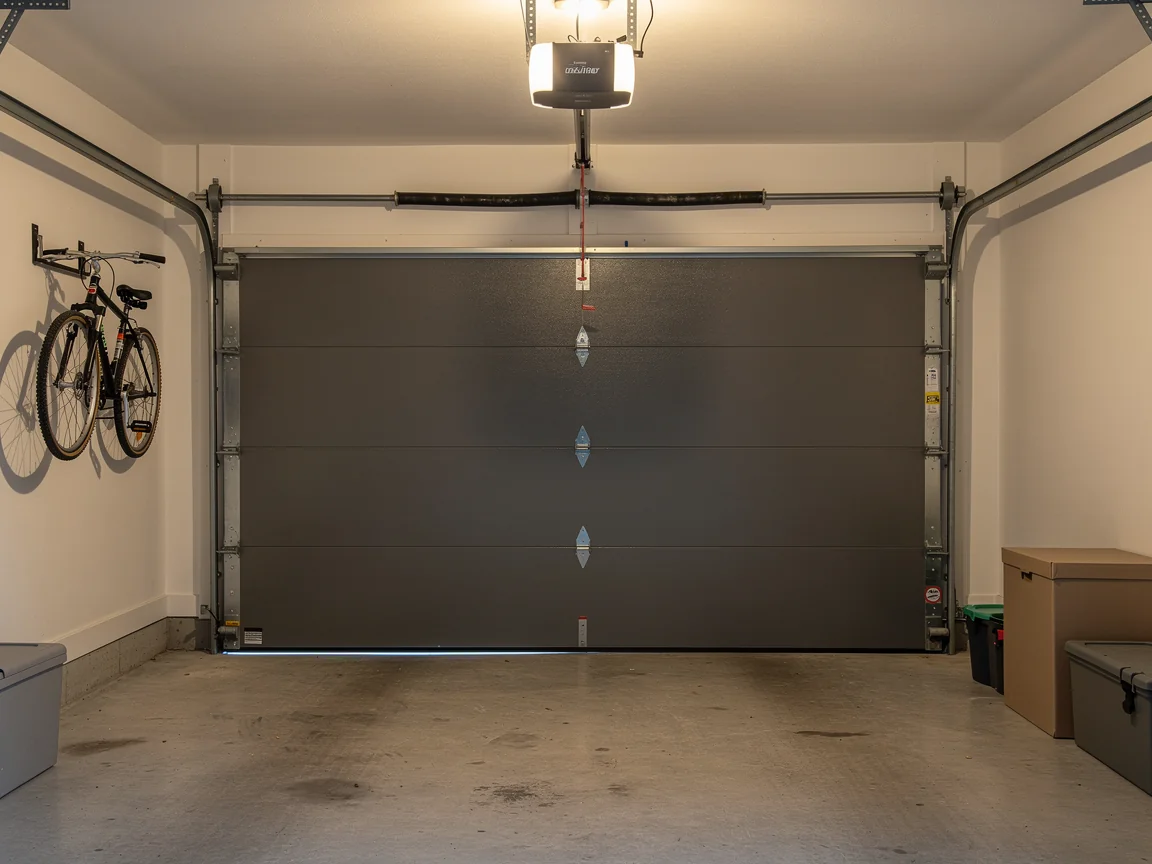
When one of those springs goes, the door doesn't ease down slow and heavy the way a modern torsion door does when it fails - it can drop fast, because the safety cable that's supposed to contain a snapped extension spring is often missing or was never retrofitted. If your door suddenly feels like dead weight, or one side sags lower than the other, that's the symptom to call in, not something to force through with the opener.
Settling, oval hinges, paint
Other symptoms we see tied to this housing era: a track that's pulled slightly out of alignment from decades of settling, hinges worn oval instead of round, and panels that were painted over so many times the seams don't flex right anymore. None of this is unique to one house - it's the shared fingerprint of a neighborhood built inside a tight ten-year window, and it's why the fix usually isn't a quick tighten-and-go.
Getting It Booked In
We run this job out of Garden Grove, about 10 miles from Lakewood, so we're not a branch sitting around the corner - we're a truck that comes to you.
More questions before loading
That distance doesn't change what we bring or how we diagnose the door, but it does mean we ask a few more questions on the phone before we load the truck: what the door sounds like when it tries to move, whether it's an extension-spring setup or torsion, and roughly when the house was built if you know it.
Replace aging opener option
With a median income in Lakewood around $116,794, we see a fair number of owners who'd rather replace an aging opener outright than keep patching a unit that's older than their kids.
Parts versus new unit cost
We don't push that decision either way - we tell you what the part costs against what a new unit costs and let you pick. Across the roughly 26,118 households in town, the door problems repeat in patterns tied to when the block was built, and that's useful information before we ever pull up.
Where This Job Goes Sideways
The job goes sideways when a homeowner - or a handyman - tries to swap a broken extension spring for a torsion spring kit bought online, because the mounting brackets and drum assemblies aren't interchangeable without reworking the header.
One spring replaced only
We've also seen jobs go bad when someone replaces one spring on a two-spring extension system and leaves the other, original one in place; springs that age aren't a matched pair anymore, and the fresh one does most of the work until it gives out too, often within months.
Hunting hardware for old width
On a door from the late 1950s, the real time sink isn't usually the spring itself - it's finding hardware that still fits a frame and track width that stopped being standard decades ago.
Conversion versus direct repair
We'll tell you straight if a full hardware conversion makes more sense than chasing parts for the original setup, because sometimes it does, and sometimes the existing track and frame are solid enough that a direct repair is the better money.
Stocked Parts
We carry common torsion springs, rollers, cables, and standard hinges on the truck, which covers most doors installed from the 1970s on. What we don't carry as a default stock item is matched-pair extension spring sets sized for the pulley-and-cable systems common on 1950s builds - that's a parts-counter item we often have to source same-trip rather than pull off the shelf, and we'll say so up front rather than pretend otherwise. Given that Lakewood's housing sits right in that older window, it's worth mentioning this isn't a failure specific to your house; it's the age of the stock across the whole area. If your door is one of the newer ones in town, there's a decent chance we've got what it needs already loaded.
Questions
Common questions
Why does my garage door drop suddenly instead of easing down when the spring breaks?
Houses built around 1957, which covers most of Lakewood, commonly used extension springs along the horizontal tracks rather than torsion springs. Without a working containment cable, a snapped extension spring lets the door fall fast instead of settling slowly the way a failed torsion spring usually does. That's a sign to stop using the door, not force it.
Do you have a branch in Lakewood?
No. We run this job from Garden Grove, about 10 miles away, and travel to Lakewood for repair calls. We don't keep a separate location or depot in town, just a truck that comes to you.
Can you fix an old extension-spring door or do I need to convert to torsion?
Depends on the shape of the track and frame. If they're solid, a direct repair on the existing extension-spring setup is usually the cheaper path. If the hardware is worn past matching or the frame needs rework anyway, a torsion conversion can make more sense long-term. We'll tell you which applies before we start.
Explore more
More Services in Lakewood
Cable Repair
Lakewood homes from the late 1950s run on cable and drum hardware that's aged out. Learn more →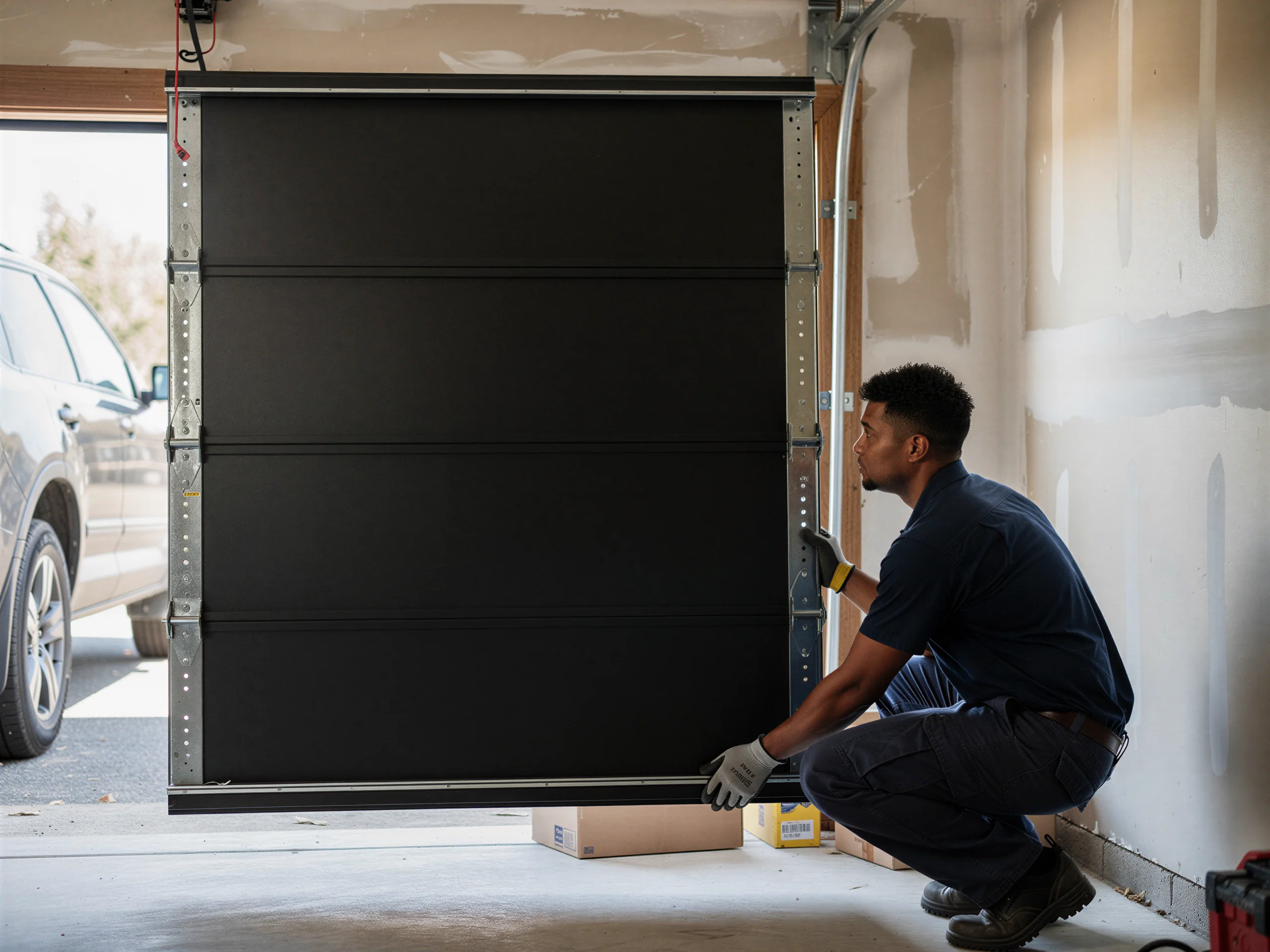
Garage Door Service
Garage door repair and tune-ups for Lakewood homes built mostly in the late 1950s. Learn more →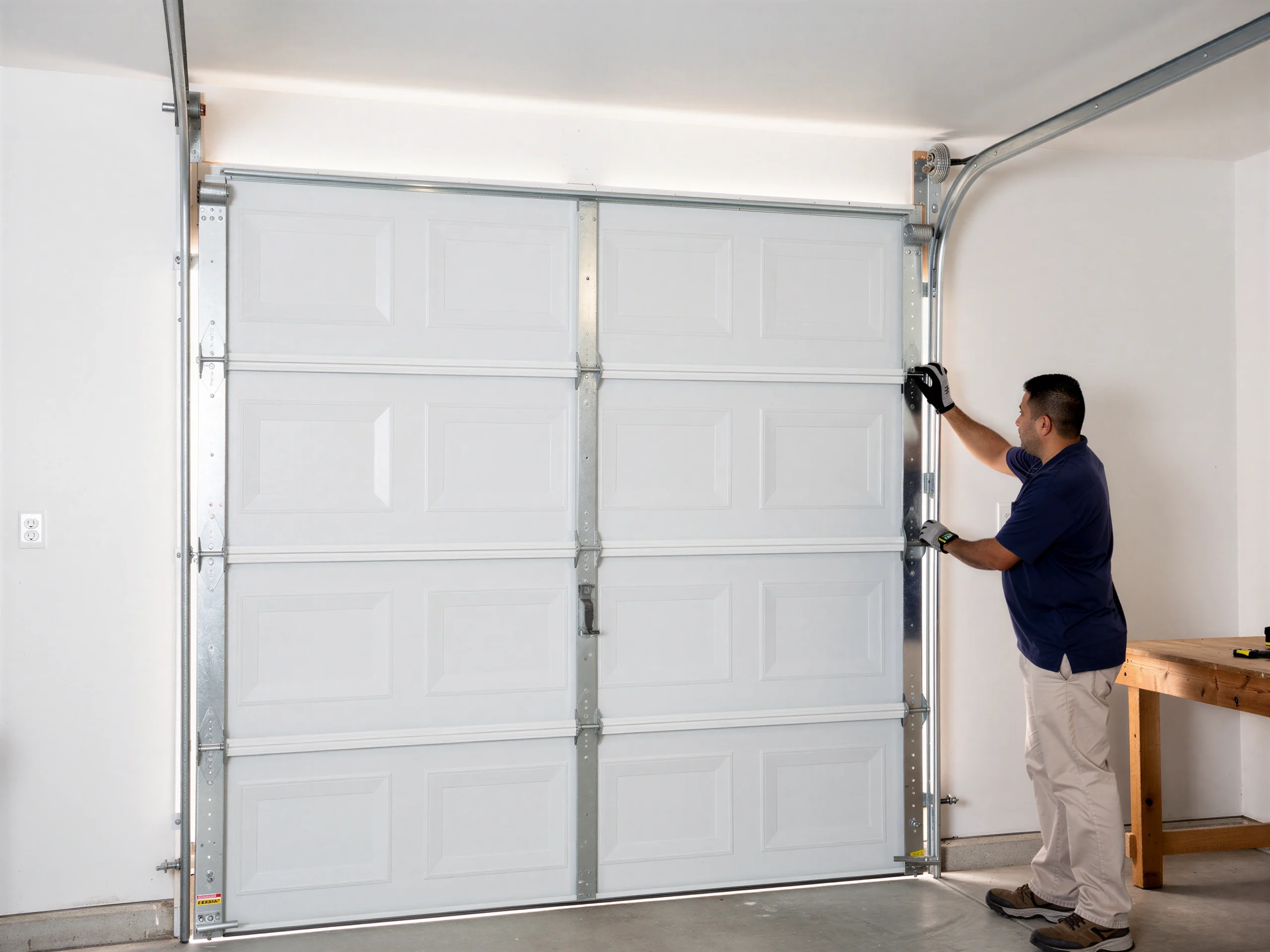
New Door Installation
New garage door installation in Lakewood, CA, where most houses date to 1957. Learn more →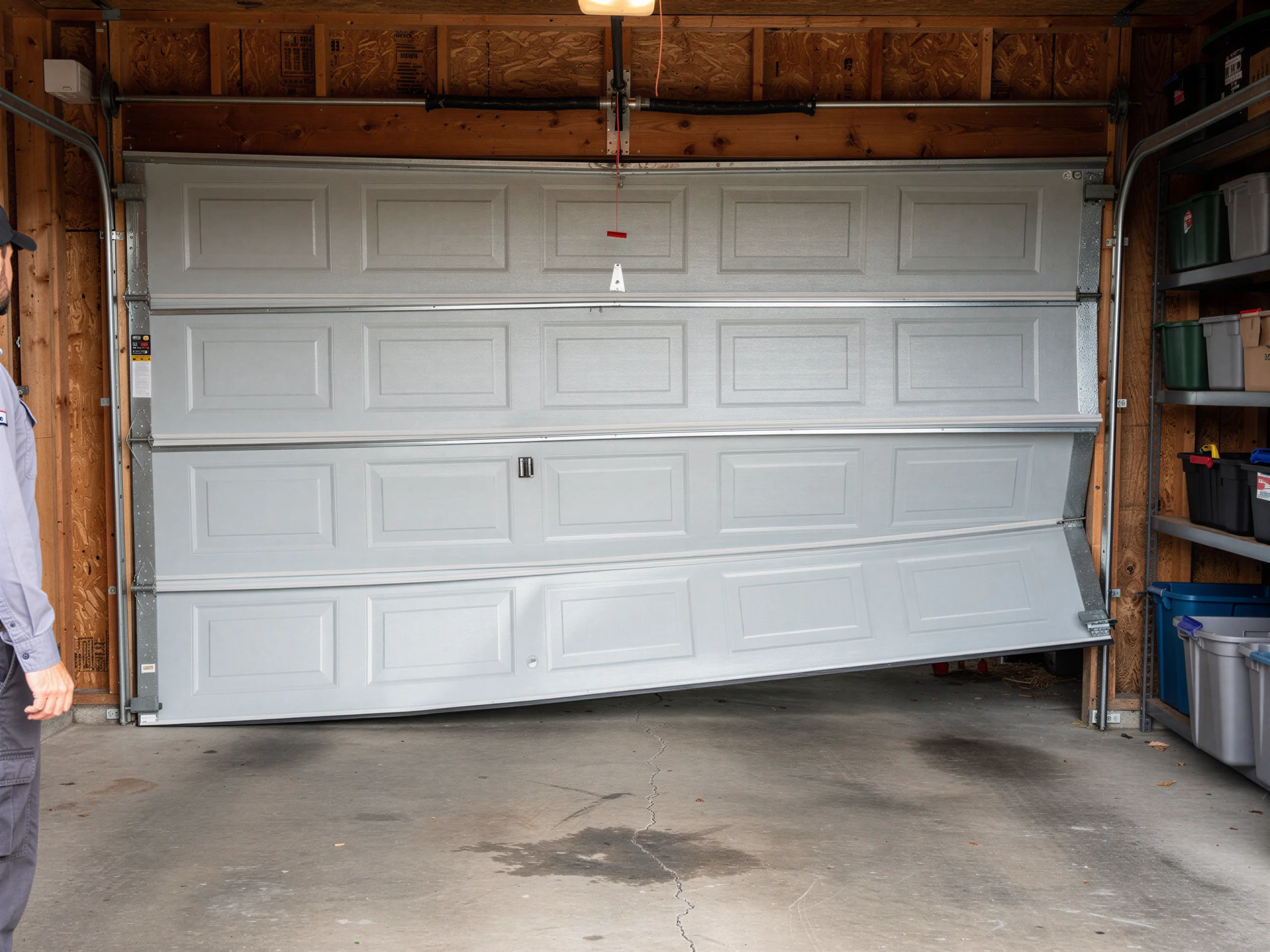
Off Track Repair
Lakewood's housing stock predates most of the service area by a decade, which means older track brackets and more off-track calls. Learn more →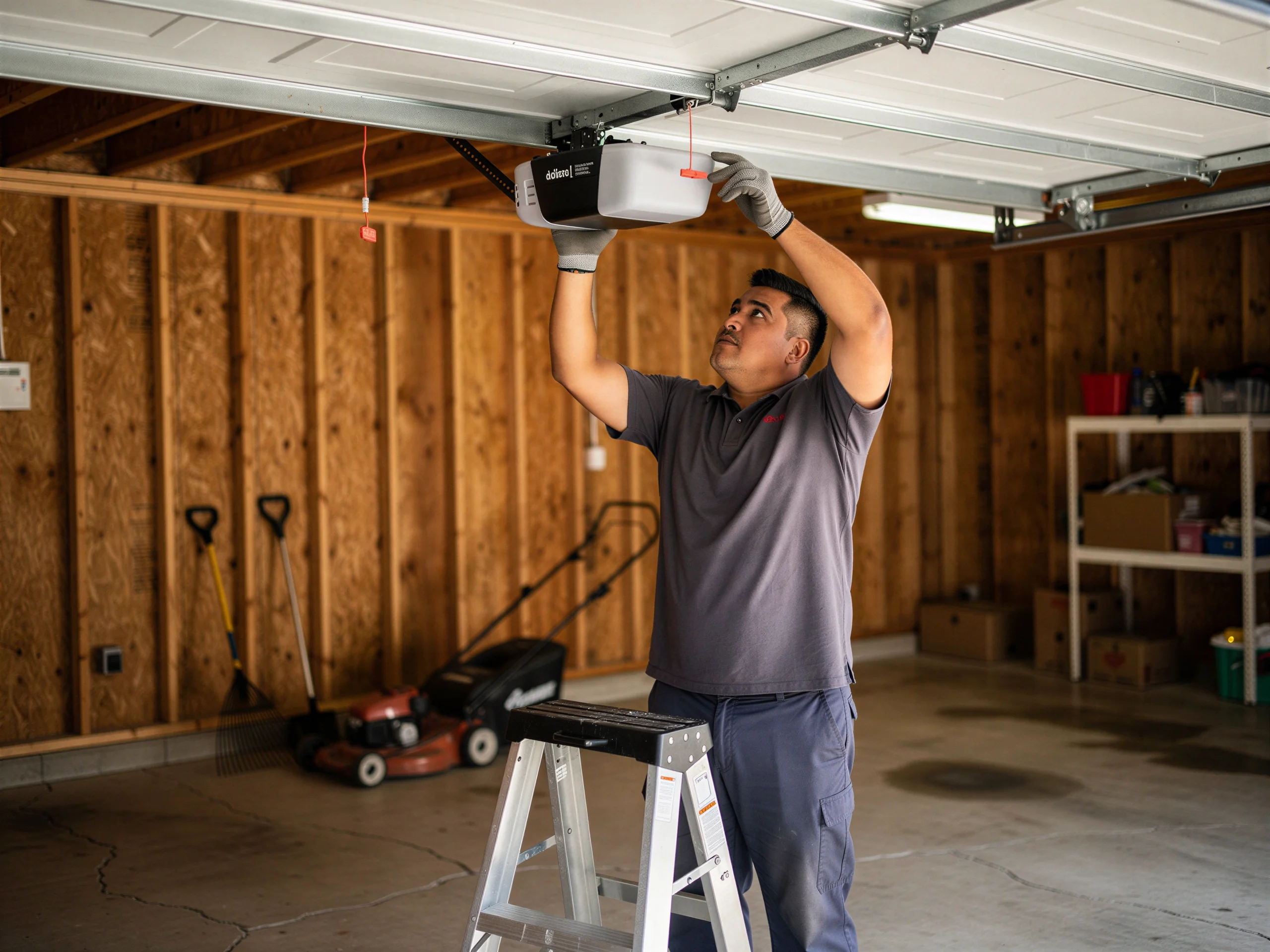
Opener Installation
Opener installs for Lakewood's 1957-era garages: header clearance, reinforced old doors, and rolling-code upgrades, done by the crew out of Garden Grove, 10 miles away. Learn more →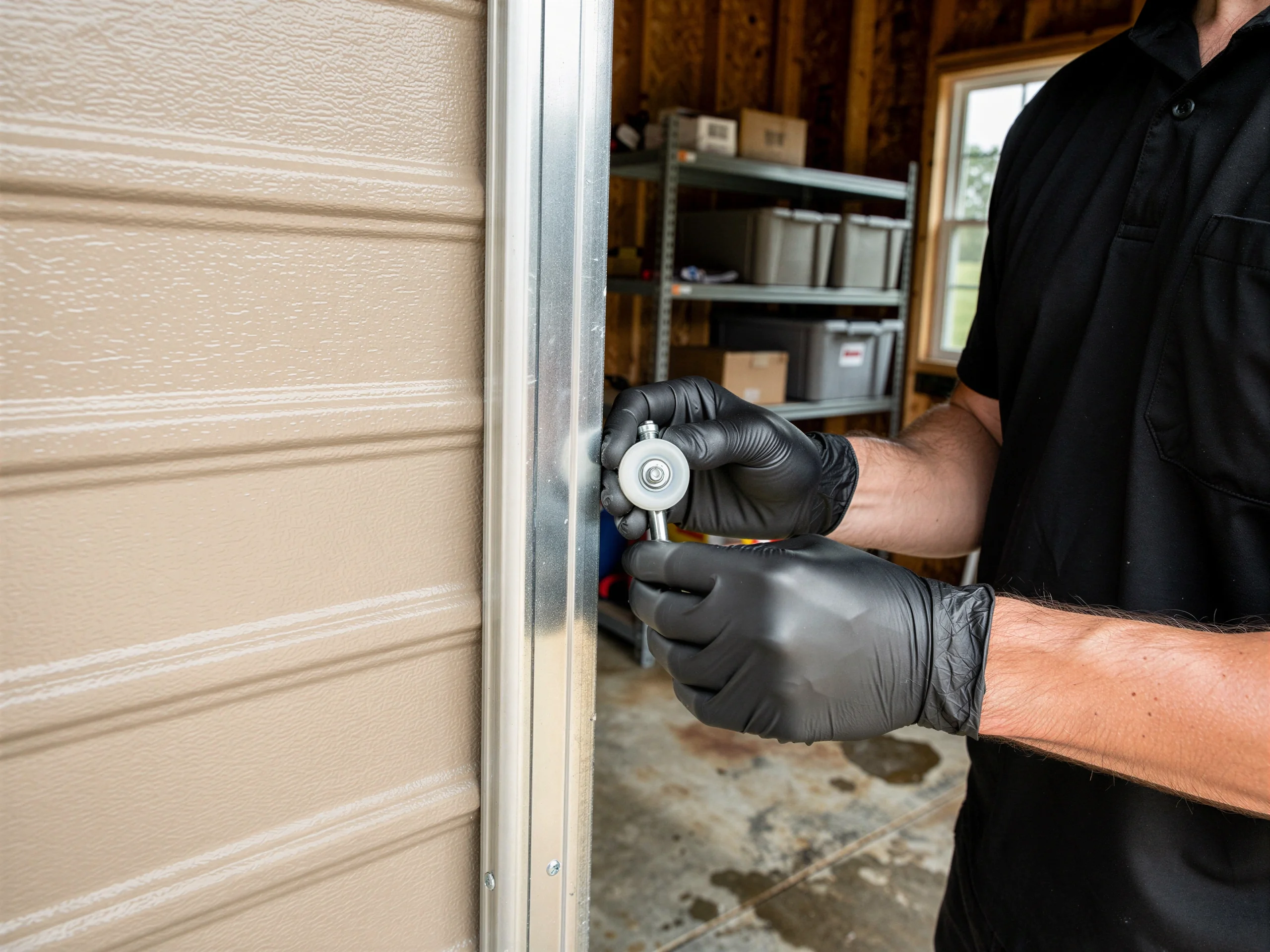
Roller Replacement
Lakewood homes mostly date to 1957, meaning steel rollers on original track that's 65+ years old. Learn more →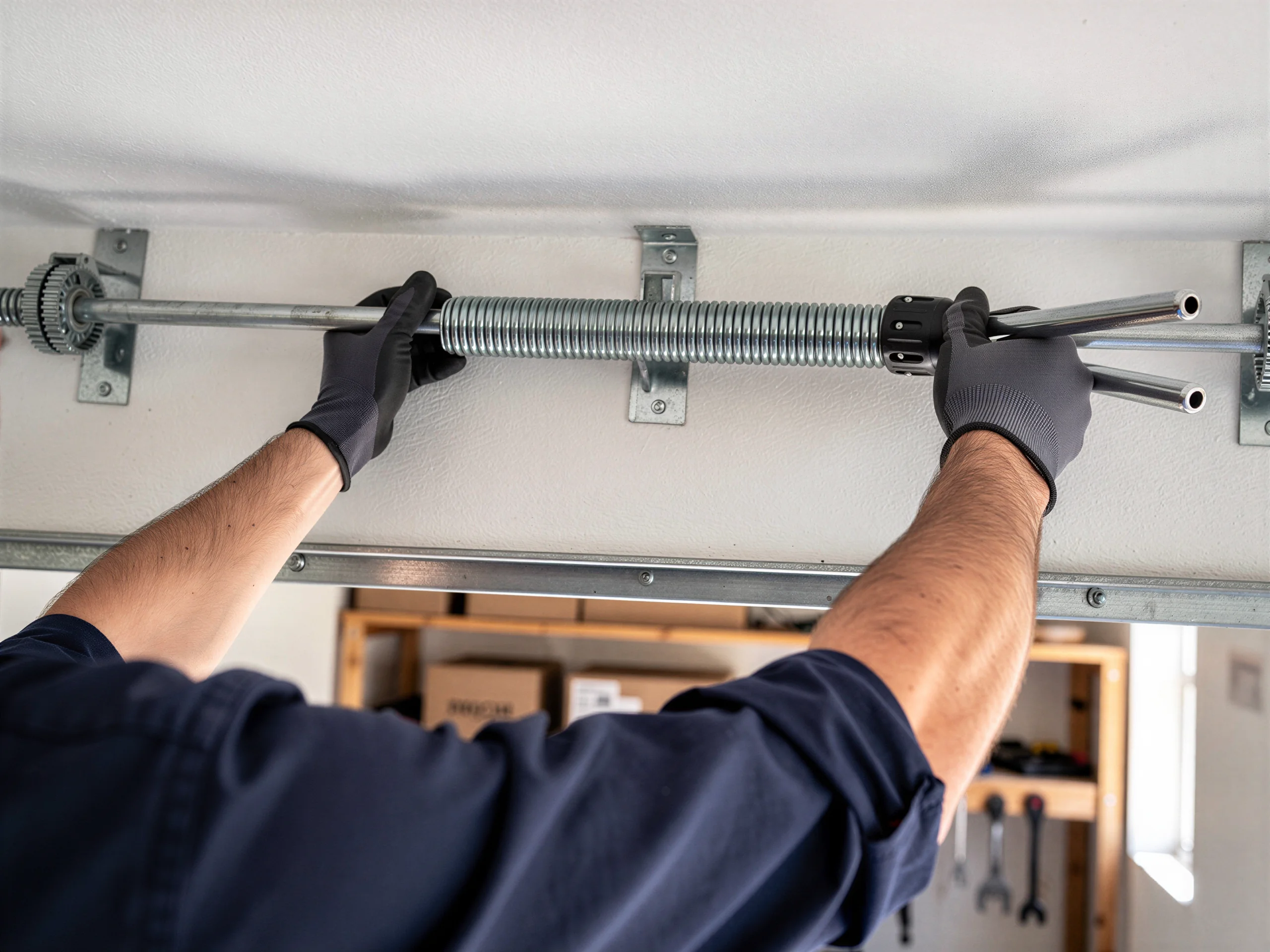
Spring Repair
Lakewood homes mostly went up around 1957, which means original torsion hardware on wood or early steel doors. Learn more →Ready when you are
Garage door trouble in Lakewood?
Garden Grove Garage Door Pros repairs and installs garage doors, springs and openers in Garden Grove, CA and the surrounding area.