Norwalk, Garden Grove
Installing a New Garage Door in Norwalk
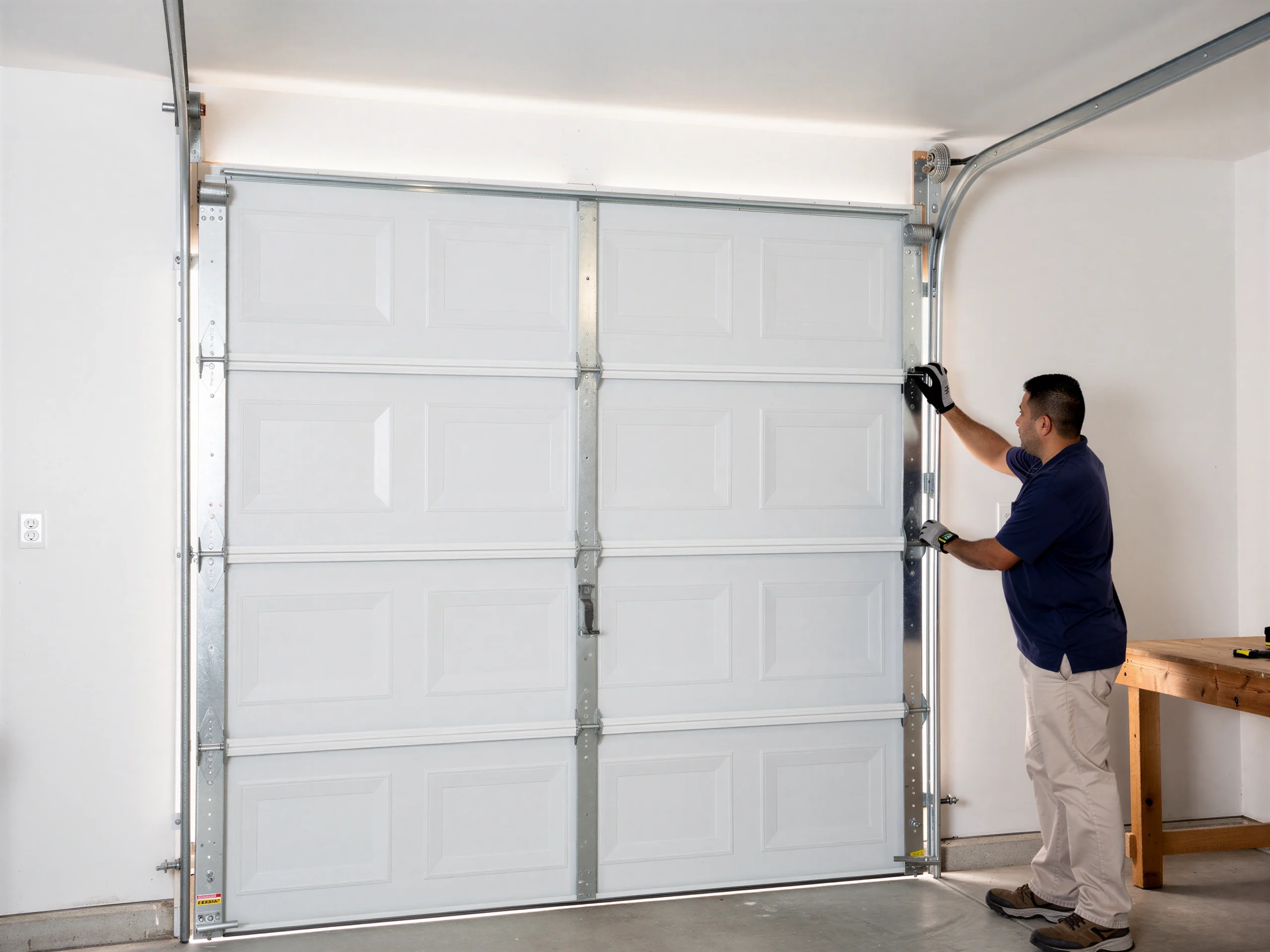
New garage door installation in Norwalk, CA, built mostly in the 1950s, served by Garden Grove Garage Door Pros 11 miles away. Local sizing, honest estimates.
Getting It Booked In
We run out of Garden Grove, about 11 miles from Norwalk, so booking here works a little differently than booking a job across town. We don't keep a branch in Norwalk, which means we can't offer a drop-in same-hour slot the way a local depot might.
Quote measurements up front
What we can do is quote the job properly before the truck leaves the shop: door width, headroom, track type, and whether the opening needs reframing before a new door goes in. Most of the calls we get from this area are replacements on openings that were never resized since the house was built.
Batched estimates and dates
Because that travel distance is real, we batch Norwalk estimates and installs where we can, so the trip pencils out for both sides. If you need an exact date, ask when you call rather than assuming next-day - the honest answer depends on how many Norwalk jobs are already on the board that week.
Photos before first visit
We'll ask for a few photos of the opening and the existing track before we come out. That alone tells us whether we're bringing a standard 16-foot double or something narrower, and it keeps the first visit from turning into a second one.
Stocked Parts
Norwalk's housing stock centers on a median build year of 1957, a decade older than the 1966 median across the rest of our service area.
Framed for narrower doors
That gap matters more than it sounds like it should. A lot of these garages were framed for the single, narrower doors of the late 1950s, with hardware and track clearances that don't match what a big-box 16-foot double expects out of the box.
Stock for both eras
We stock torsion springs, drums, and standard track in the sizes that cover both eras, because jobs in this area swing between a straightforward single-door swap and a full reframe for a wider double. What we don't stock is every custom panel finish or an odd legacy width - those get special-ordered, and that adds lead time we won't pretend doesn't exist.
Single door demand here
With 26,801 households in Norwalk, a smaller base than the 704,814 households spread across the rest of the territory, the demand here skews toward replacing a single aging door rather than converting a two-car opening into a wider custom unit. That's reflected in what we load on the truck before we head out this direction.
Time on the Job
A straight swap - same opening size, same track position, new door and new opener - is the fastest version of this job, and it's common on Norwalk's 1950s-era single openings.
Framing slows the install
What slows it down is almost always the framing, not the door itself. Older headers in this area sometimes sit lower than current code assumes, and the jamb isn't always plumb after six decades of settling. We won't quote a fixed number of hours sight unseen, because the honest range depends on whether we're bolting in a replacement or cutting back trim to square up an opening first.
Reframe outside install scope
What we will say is that a reframe adds real time to the day, and if the opening needs structural work beyond the door itself, that's outside what we scope as an installation and gets flagged before we start, not after.
No weather holdups
Weather isn't usually the holdup here - this part of the county sits in a mild temperate band, so we're not working around freeze delays or extreme heat shutting the crew down mid-install. The clock runs on the house, not the sky.
How We Fix It
"Fix" on an install job usually means correcting whatever the old door left behind before the new one goes in. On Norwalk's older openings, that's often a bent or rusted track bracket, a header that's dropped a half inch from the original line, or wiring for the opener that was never grounded to current code.
Fix root issues first
We address each of those as part of the install rather than bolting a new door onto a bad foundation, because a new door on a crooked track fails the same way the old one did, just faster.
Matched new components
Where the opening is sound, the job is mechanical: new track, new springs sized to the door weight, new rollers, and an opener matched to the door's travel distance and the garage's ceiling clearance. We set the force and travel limits by hand and test the auto-reverse safety feature before we call it done - that's not optional, it's the one step that keeps a new install from becoming a liability.
Structural repair referred out
Where we draw a line: if the opening needs load-bearing structural repair beyond the door frame itself, we say so and point you to someone who does that work, rather than stretching an install quote to cover it.
Where This Job Goes Sideways
The most common surprise on a Norwalk install is headroom. A lot of these 1957-era garages were built with lower ceiling clearance than modern torsion hardware and openers assume, especially where a water heater or furnace got added to the garage later and ate into the space above the door. We measure for this before quoting, but on occasion the real clearance only shows up once the old door comes down.
The second surprise is wiring. Older openers in this area were often run off a standard outlet with no dedicated circuit and no GFCI protection, which current code expects for a garage. We'll flag it if we see it, and the fix is usually small, but it's not something we skip past to save time.
The honest limitation: if the opening is out of square by more than a small amount, or the header is cracked, that's a carpentry problem before it's a garage door problem.
Questions
Common questions
Do you have a shop or crew based in Norwalk?
No. We run out of Garden Grove, about 11 miles away, and travel to Norwalk for scheduled installs and estimates. We don't promise same-hour arrival the way a local branch might - we build the day around the drive and the job scope, and we're upfront about that when you book.
Why does my 1957 garage need different parts than a newer house across town?
Houses built around 1957 were often framed for narrower single-door openings with lower headroom than homes built later. A modern 16-foot double or a standard opener can need a reframe to fit properly, where a house from the 1970s or later usually doesn't.
Can you install the same day you come out to quote?
Sometimes, if the opening is standard width and square and we're already carrying the right door and hardware on the truck. If the job needs reframing or a special-order panel size, that adds lead time, and we'll tell you that at the estimate, not after we've started.
Does Norwalk's climate affect what door or opener you'd recommend?
This area sits in a mild temperate band, so we're not specifying doors for freeze cycles or extreme heat. The bigger factor here is the age of the opening itself - older garages tend to need more attention to framing and clearance than to weatherproofing.
Explore more
More Services in Norwalk
Cable Repair
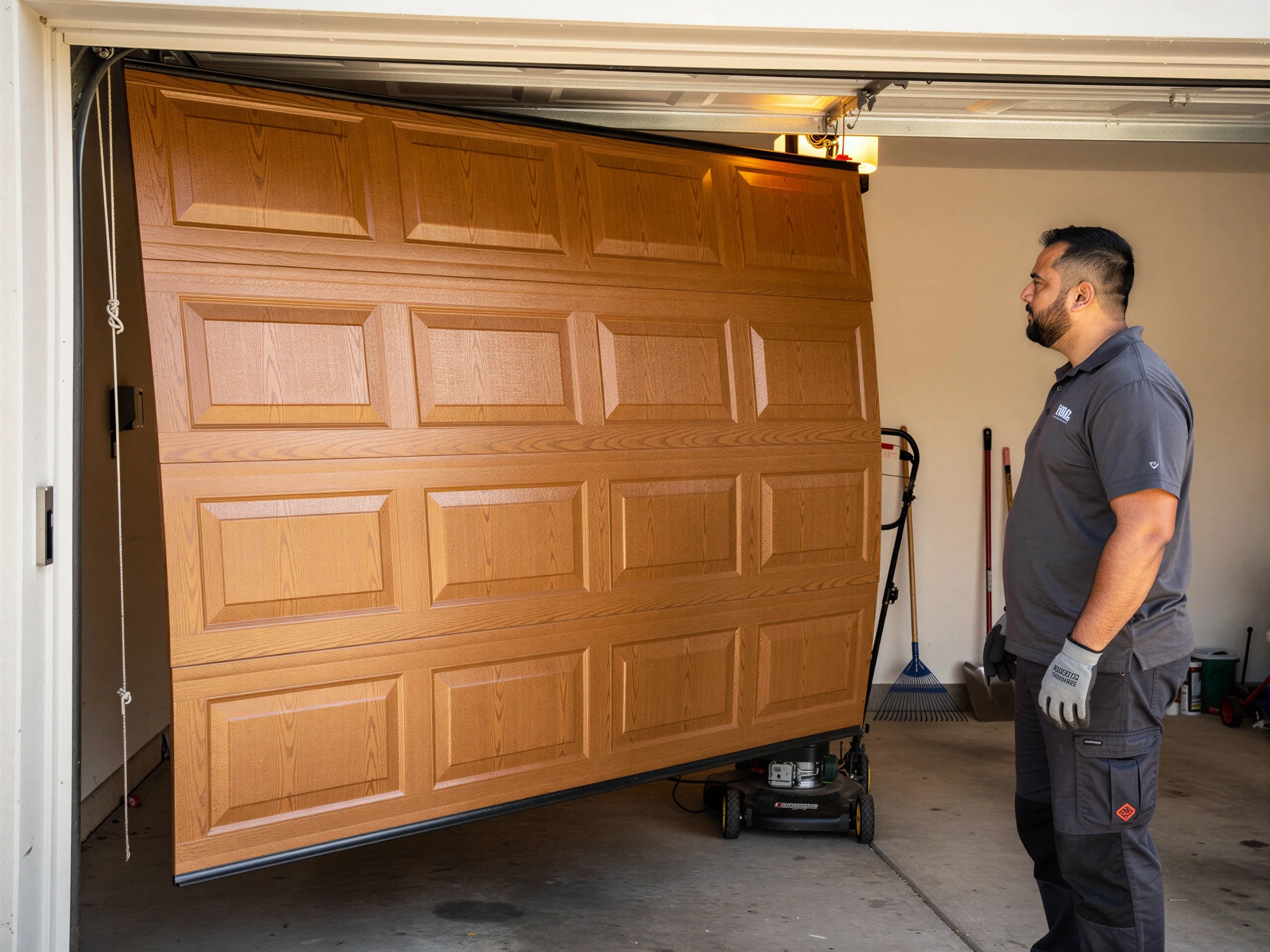
Norwalk's housing dates to 1957 on average, old enough that original cable drums and pulley hardware are wearing out. Learn more →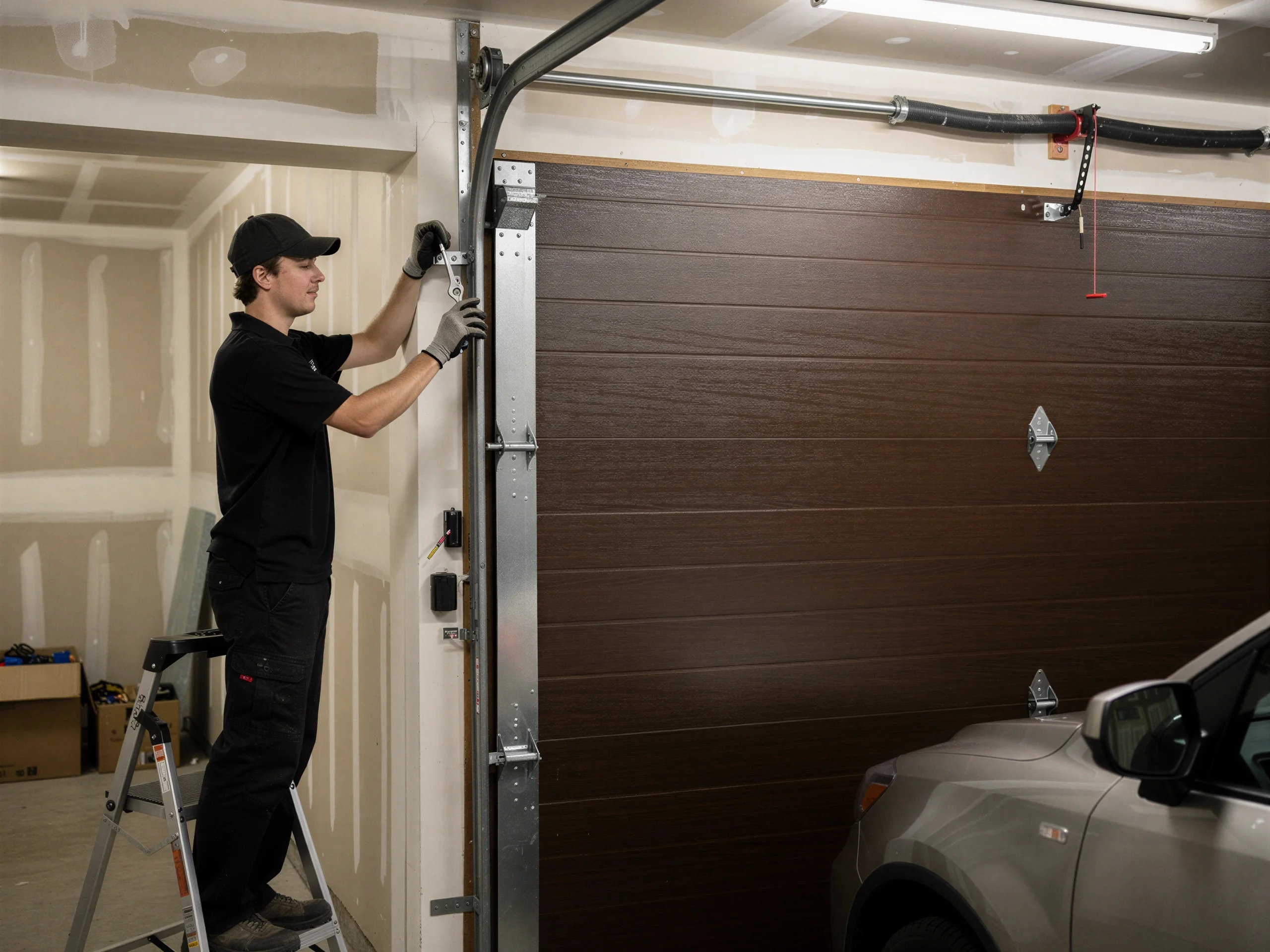
Garage Door Repair
Norwalk's houses date to 1957 on average, older than most of the service area. Learn more →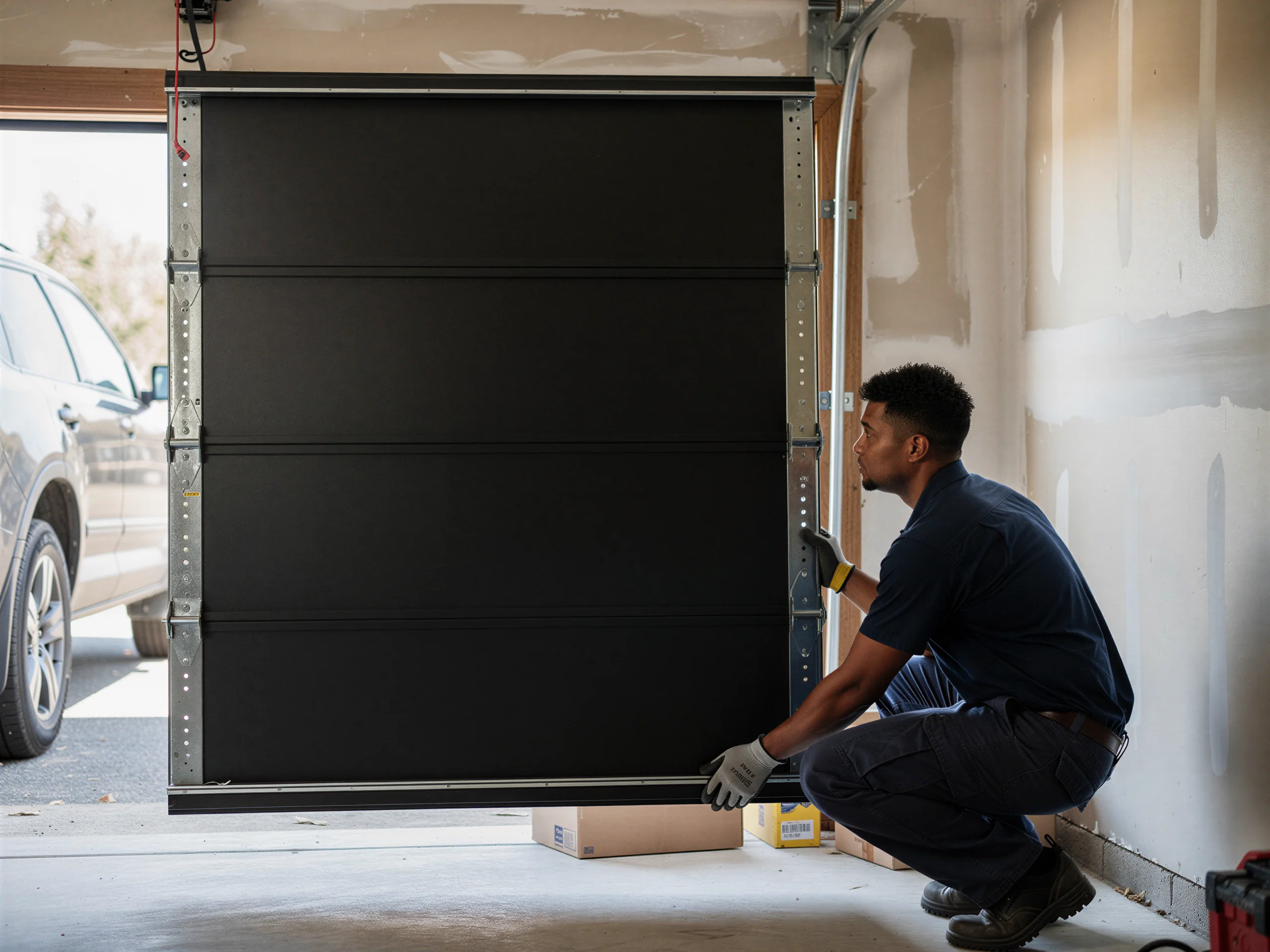
Garage Door Service
Norwalk's median income sits at $98,709 and its homes date to 1957 on average - older stock than most of our service area. Learn more →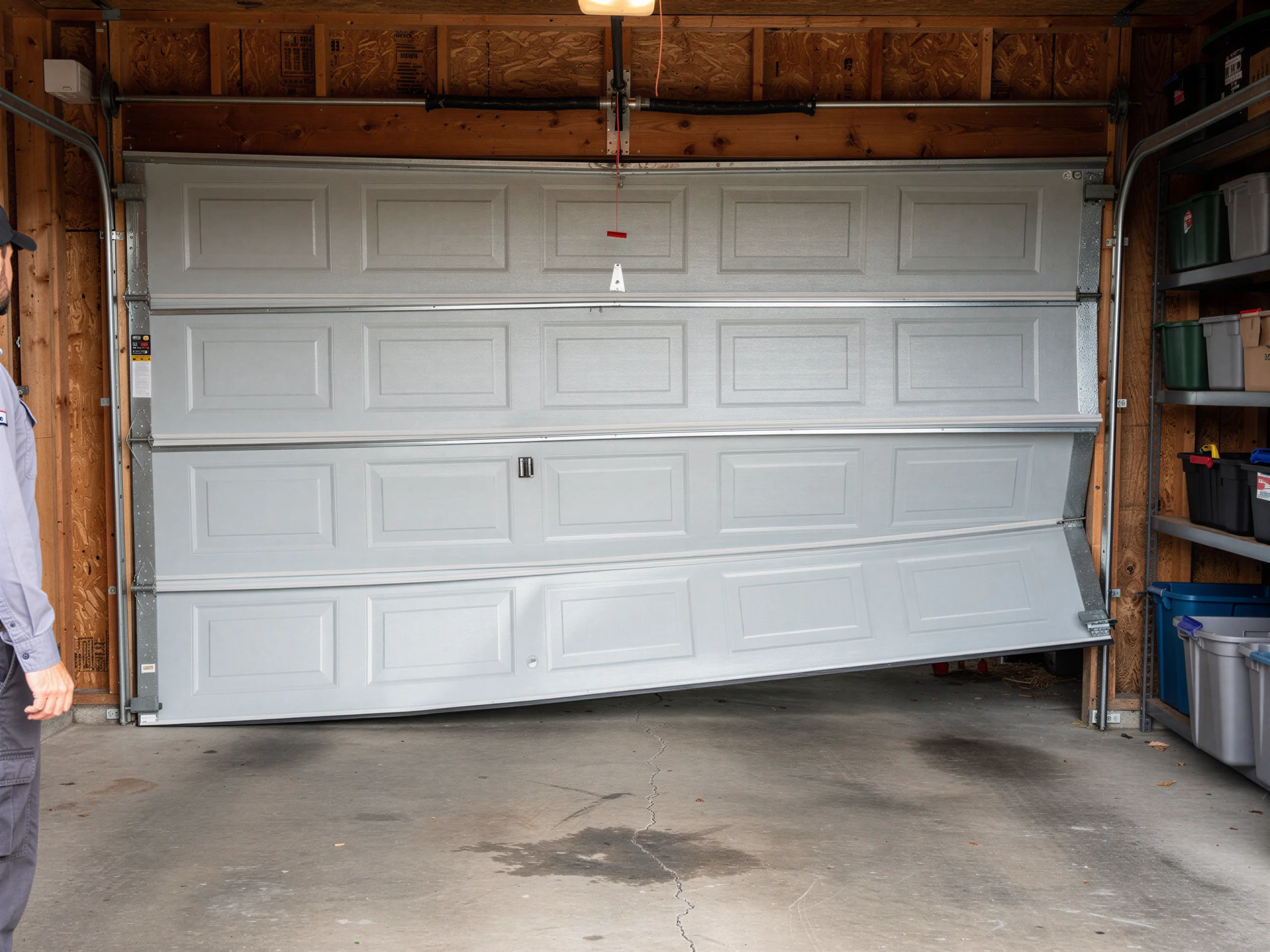
Off Track Repair
Norwalk homes mostly date to 1957, with original track hardware still on many doors. Learn more →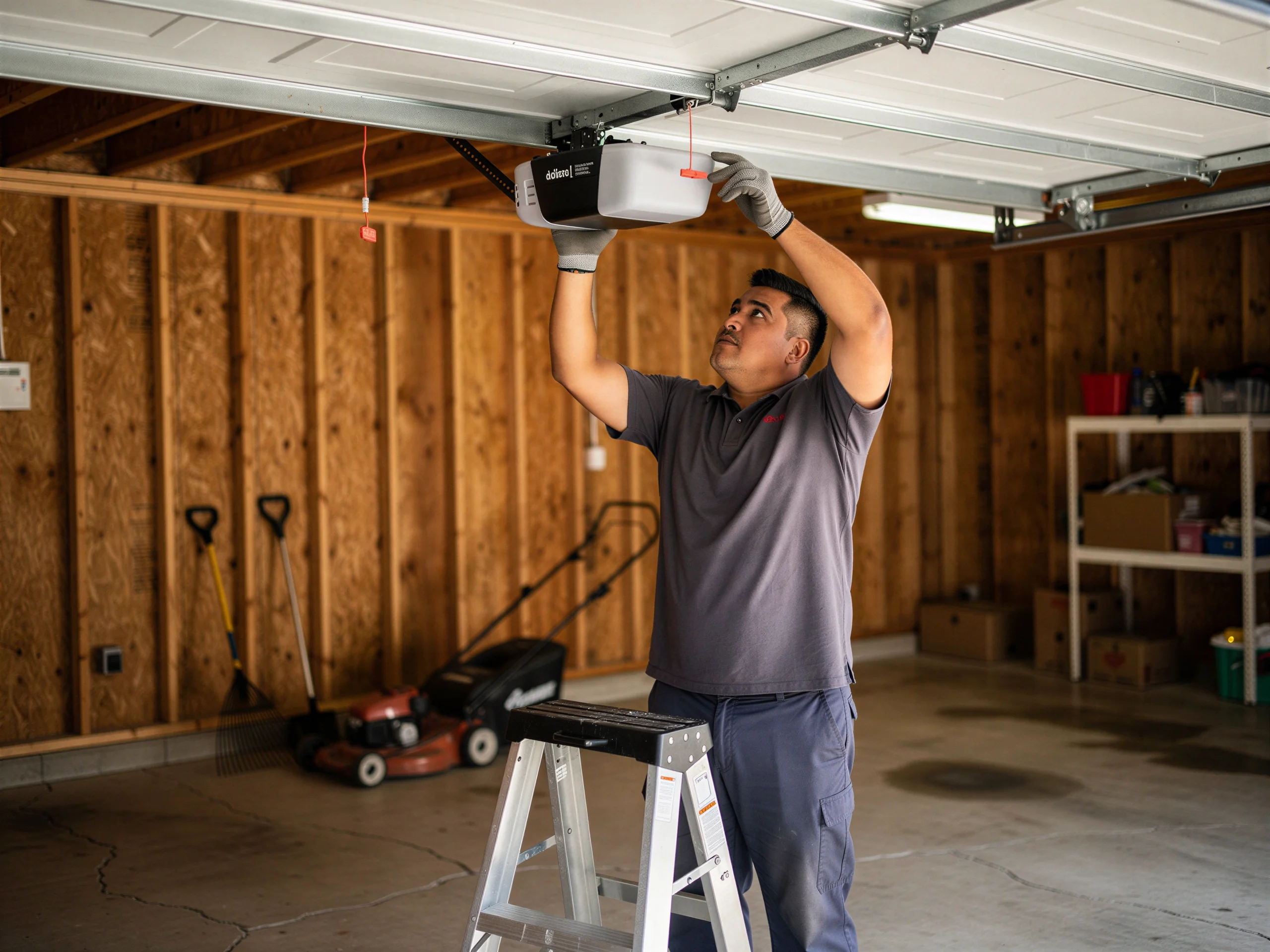
Opener Installation
Norwalk's garage doors mostly date to the late 1950s, older wood-slab doors. Learn more →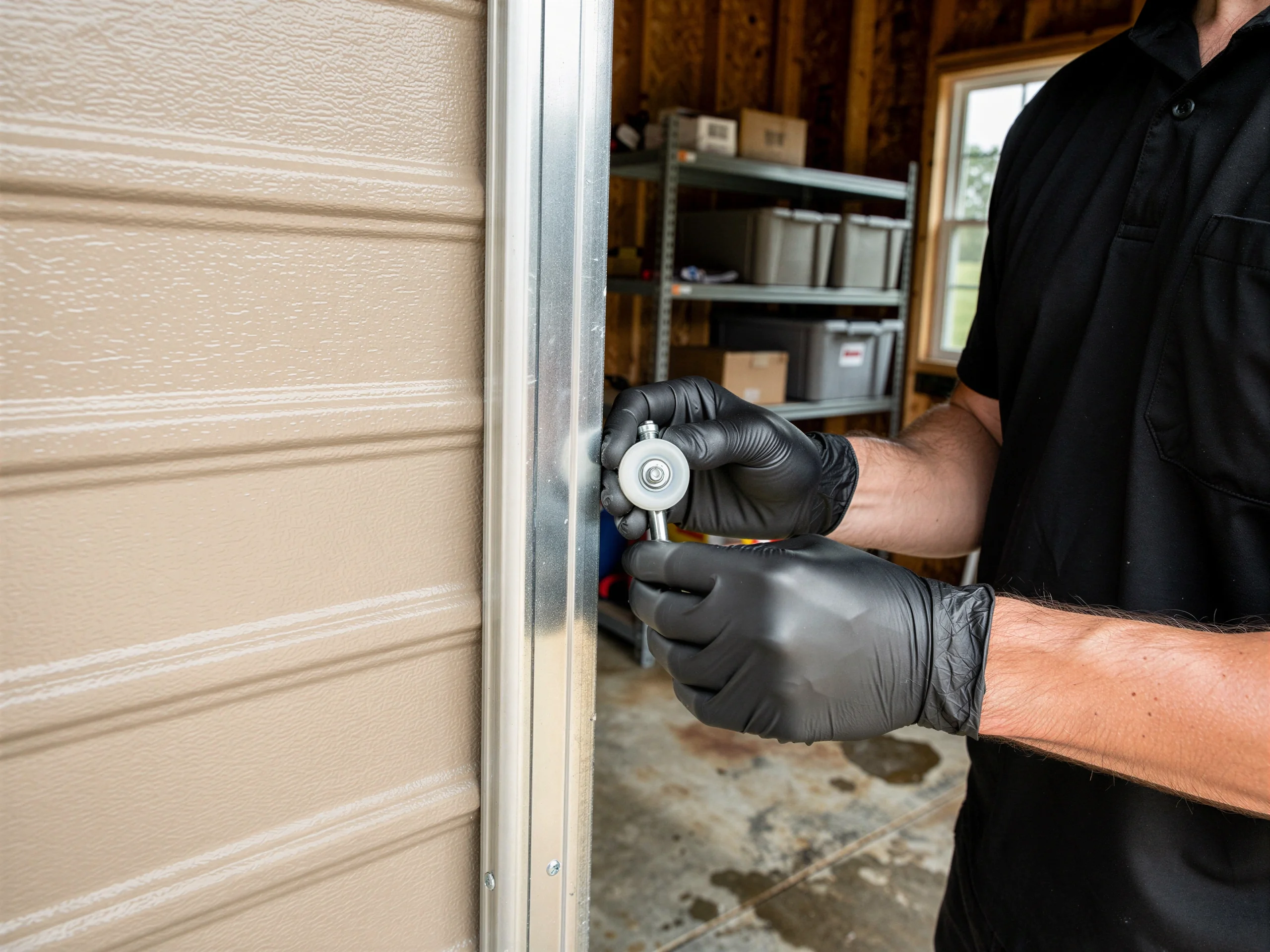
Roller Replacement
Norwalk's housing dates mostly to 1957, a decade older than the area median. Learn more →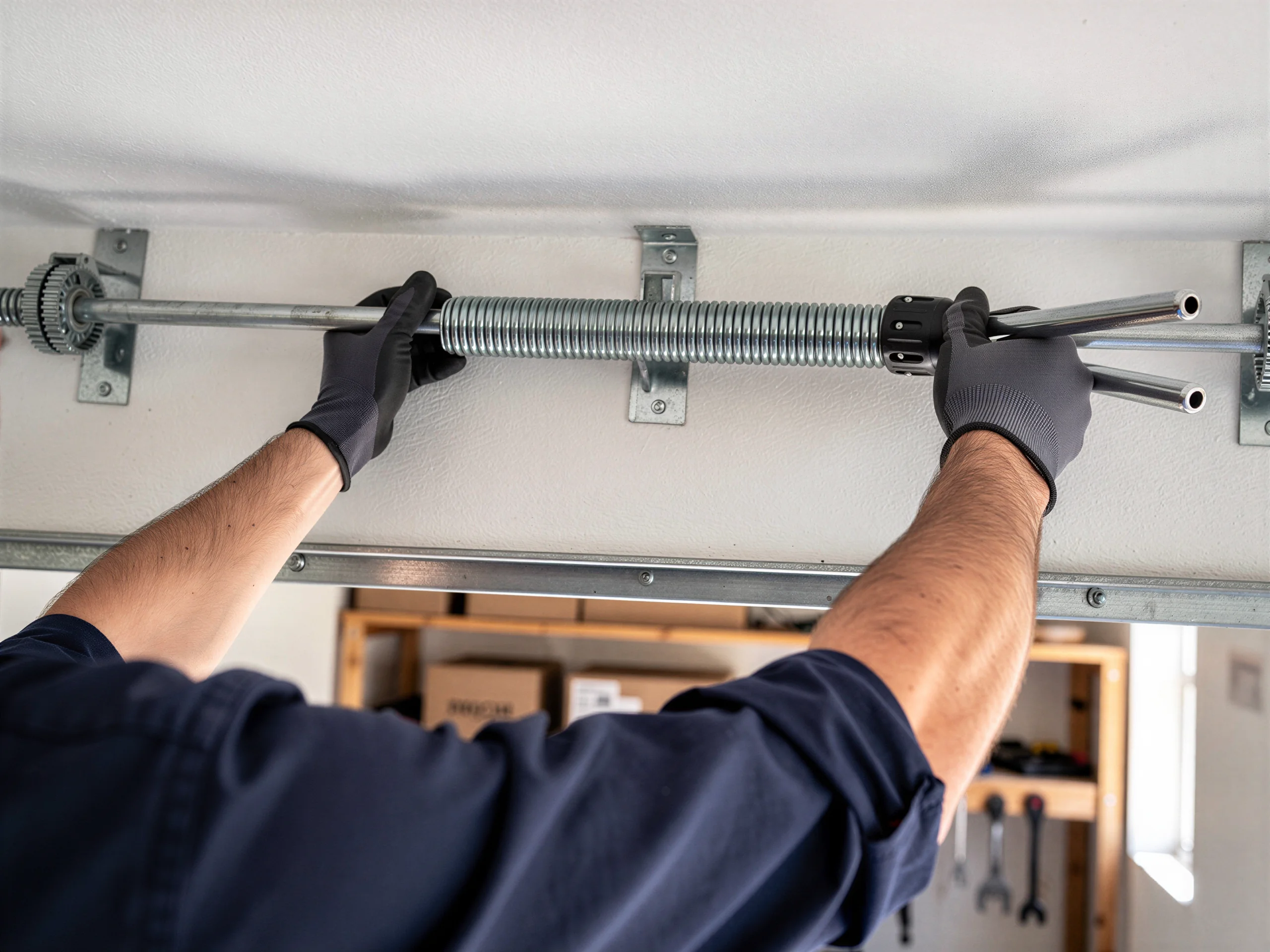
Spring Repair
Spring repair for Norwalk's 1950s-era garages, run from our Garden Grove base 11 miles out. Learn more →Ready when you are
Ready for a new garage door in Norwalk?
Garden Grove Garage Door Pros repairs and installs garage doors, springs and openers in Garden Grove, CA and the surrounding area.