Norwalk, Garden Grove
Roller Replacement for Norwalk's 1957-Era Garage Doors
Norwalk's housing dates mostly to 1957, a decade older than the area median. We cover roller replacement for those original steel-roller doors, traveling from our Garden Grove shop.
Getting It Booked In
Norwalk sits about 11 miles from our shop in Garden Grove, which puts it on the outer edge of our regular route. We don't keep a branch or a drop box in town, so every job here starts with a call to schedule a truck out.
Distance and base layout
That's not a knock on Norwalk - it's just the honest layout of where we're based and how far the work travels. When you call, tell us the age of the house if you know it.
House age changes load
A door installed when the place was built in the late 1950s behaves differently under load than one swapped out in the last ten years, and that changes what we bring on the truck. We'd rather ask up front than show up short a part.
Describe the door's behavior
Booking is straightforward: describe what the door's doing - grinding, hopping off the track, one side dragging - and we'll walk you through what we need to see before we quote anything over the phone. We don't guess a fix sight-unseen, and we won't tell you a repair will hold if the hardware underneath says otherwise.
Stocked Parts
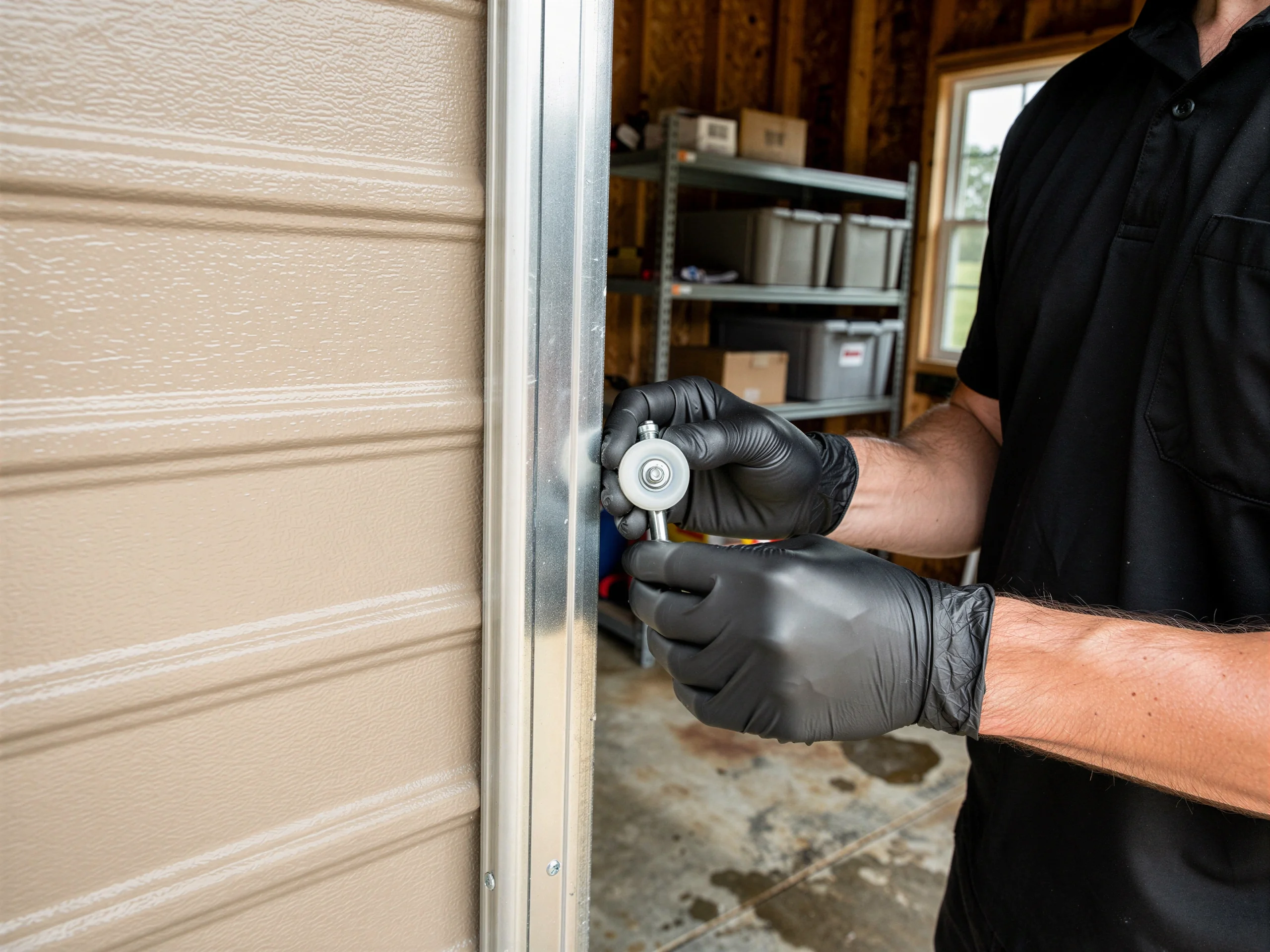
We carry nylon rollers in the stem lengths that fit both older steel-roller setups and newer doors, along with the sealed-bearing versions homeowners ask for when they want quieter operation.
Nylon replacing narrow steel
For a neighborhood like Norwalk, where the median home dates to 1957, the original rollers were steel on a narrow stem - fine for their era, but noisy and prone to flat-spotting decades on. We stock nylon replacements sized to swap onto that same track without reworking the whole rail.
Stamped steel track parts
What we don't stock is every obsolete bracket from a 1950s-era track system. If your door still has its original stamped-steel track rather than the rolled track that came in later, that part sometimes has to be special-ordered, and we'll say so plainly rather than make you wait on-site while we figure it out.
Straight roller-for-roller swap
Most jobs, though, are a straight roller-for-roller swap: pull the old steel or worn nylon rollers, set new ones in the same hinge holes, check the track for rust or bends while we're in there. No reason to open up more of the door than the job calls for.
Time on the Job
A straightforward roller replacement - all rollers on one door, no track damage - usually runs under two hours once the truck is on site.
Rust from driveway runoff
Where it stretches longer is track condition. Doors from Norwalk's 1957-median building stock have had six and a half decades to collect rust, especially where sprinklers or a sloped driveway send water toward the bottom bracket.
Pitted rail section replacement
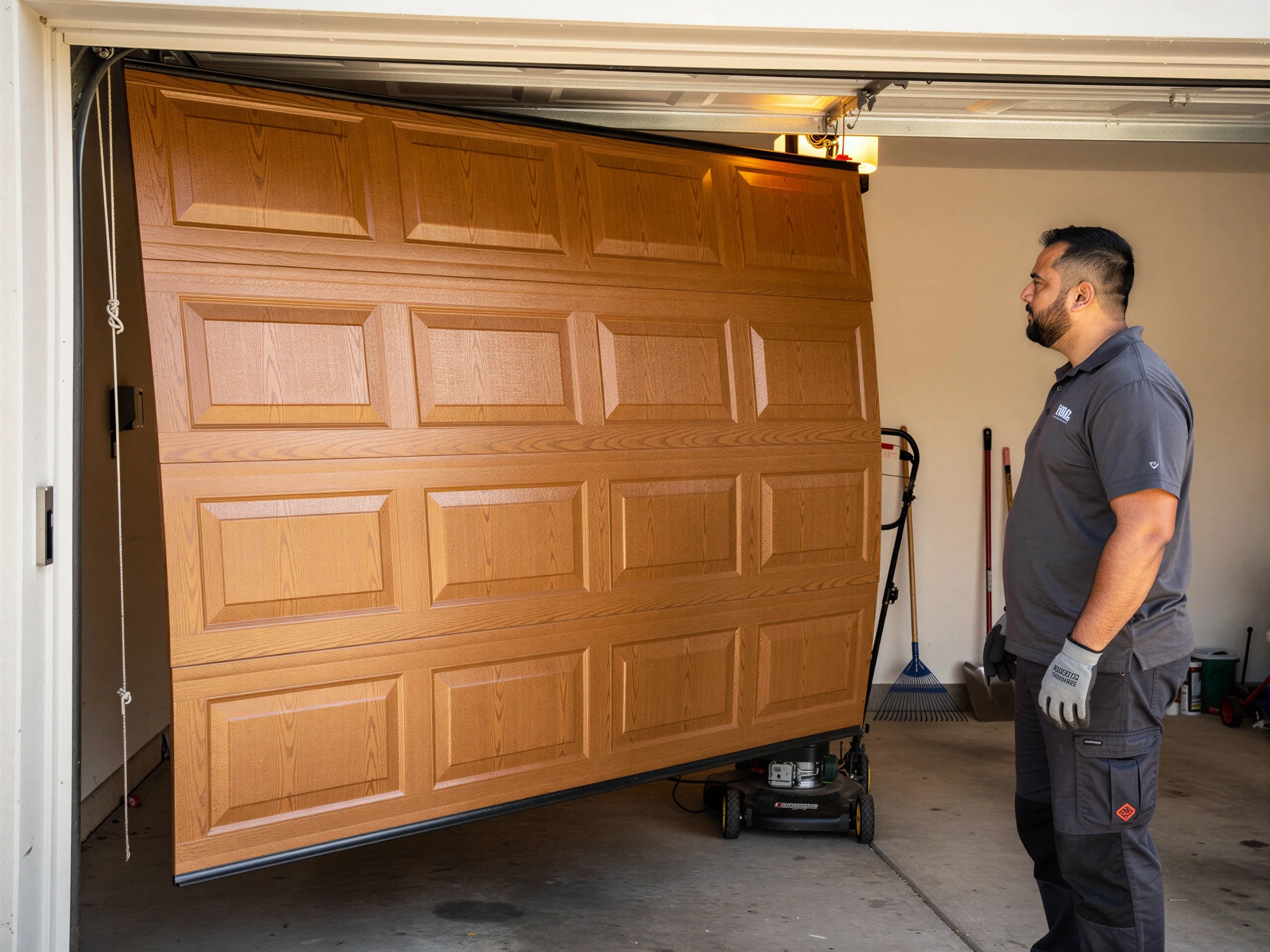
If the track's pitted enough that rollers keep binding even after replacement, we're not just swapping parts anymore - we're straightening or replacing a section of rail, and that adds time.
Corrosion, not ice
Our mild coastal-influenced climate here keeps us from dealing with the ice-jam problems some regions get, so track trouble in Norwalk is almost always corrosion or wear, not frozen hardware. We'll tell you on arrival if we're looking at a quick swap or a longer job, and we price it before we start, not after.
How We Fix It
We disconnect the opener, secure the door with clamps so it can't drop while the rollers are out, then pull each roller from its hinge or bracket one side at a time - never more than one side open at once, so the door stays supported.
Seized steel rollers out
Steel rollers from the original 1950s-era hardware come out with a tug; the bearing's usually seized dry by now anyway. We check the track alignment as we go, since a roller only lasts as long as the rail it rides in.
Force settings after nylon
New nylon rollers go in, we test the door through a full open-close cycle, and we check that the opener's force settings still match the lighter resistance nylon gives you compared to worn steel.
Separate price for extras
If a cable or hinge looks stressed while we're in there, we'll flag it and give you a separate price - we don't fold surprise work into a flat quote after the fact.
Where This Job Goes Sideways
The honest limitation here: a roller swap won't fix a door that's sagging because the panels themselves have failed, or a track that's bent badly enough that no amount of straightening keeps it true. On houses built around Norwalk's 1957 median, we sometimes find both - rollers worn out and a track that's taken decades of minor impacts. In that case, replacing rollers alone just buys you a few noisy months before the real problem resurfaces. We'll tell you straight if that's what we're looking at, rather than sell a cheaper fix we don't expect to hold. The other spot this goes sideways: doors where someone's already attempted a repair with mismatched stem lengths or the wrong roller type for the track. We've seen it create binding that looks like a track problem but is really just the wrong part forcing a bad fit. Sorting that out sometimes takes longer than the swap itself.
What Causes It Around Here
Norwalk's housing stock centers on 1957, close to a decade older than the wider service-area median of 1966, so a higher share of doors in town are still running on original or first-generation replacement hardware. Steel rollers from that era wear through their bearings faster than the sealed nylon rollers made standard later, and six decades of daily cycles - two, sometimes four trips a day per household - adds up. Our mild temperate climate doesn't throw the freeze-thaw cracking some regions deal with, so when a roller fails here it's almost always plain mechanical wear: a worn bearing, a bent stem, or a track that's lost its shape from years of a roller grinding against one spot. With roughly 26,801 households in Norwalk, a fair number of them are still running doors installed well before nylon rollers became the norm, which is why roller wear shows up as a common call from this part of our service area.
Questions
Common questions
How old does a garage door have to be before the rollers just wear out on their own?
There's no fixed number, but steel rollers from homes built in the 1950s and 60s are well past their working life by now - most have been cycling for over sixty years. If your house in Norwalk dates to around 1957 and still has its original rollers, wear is the most likely explanation for grinding or hopping, not a fluke.
Can you just replace the rollers without touching the whole door?
In most cases, yes. A roller swap doesn't require opening up the panels or rebuilding the track, unless the track itself is bent or rusted through. We check track condition at the same visit and tell you plainly if more than the rollers needs work before we start.
Why do my rollers sound loud even though they still work?
Steel rollers on older stem hardware are naturally louder than nylon, and that noise gets worse as the bearing wears, even before the roller fails outright. Swapping to nylon rollers is usually a quiet, direct fix if the track underneath is still straight.
Explore more
More Services in Norwalk
Cable Repair
Norwalk's housing dates to 1957 on average, old enough that original cable drums and pulley hardware are wearing out. Learn more →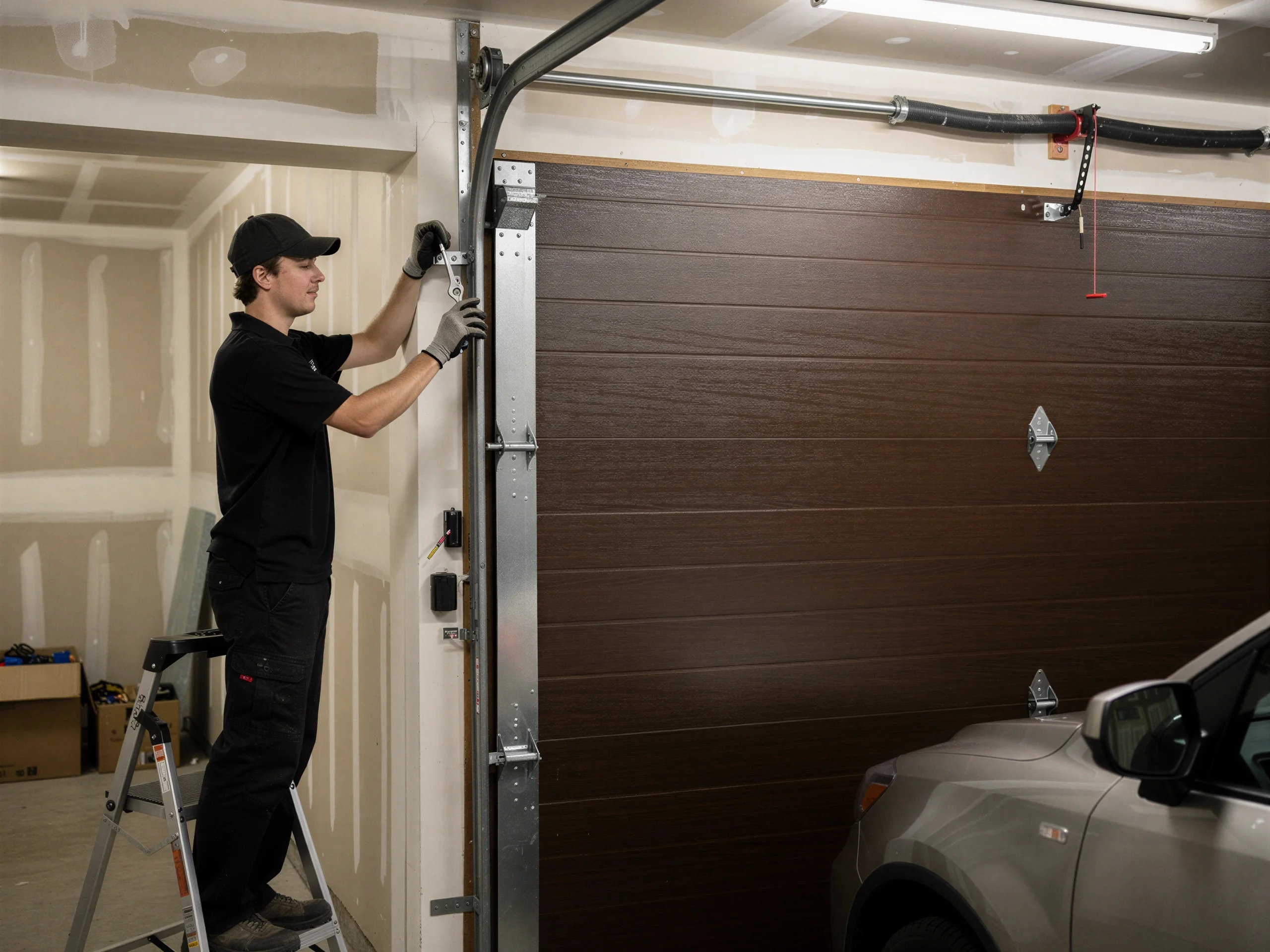
Garage Door Repair
Norwalk's houses date to 1957 on average, older than most of the service area. Learn more →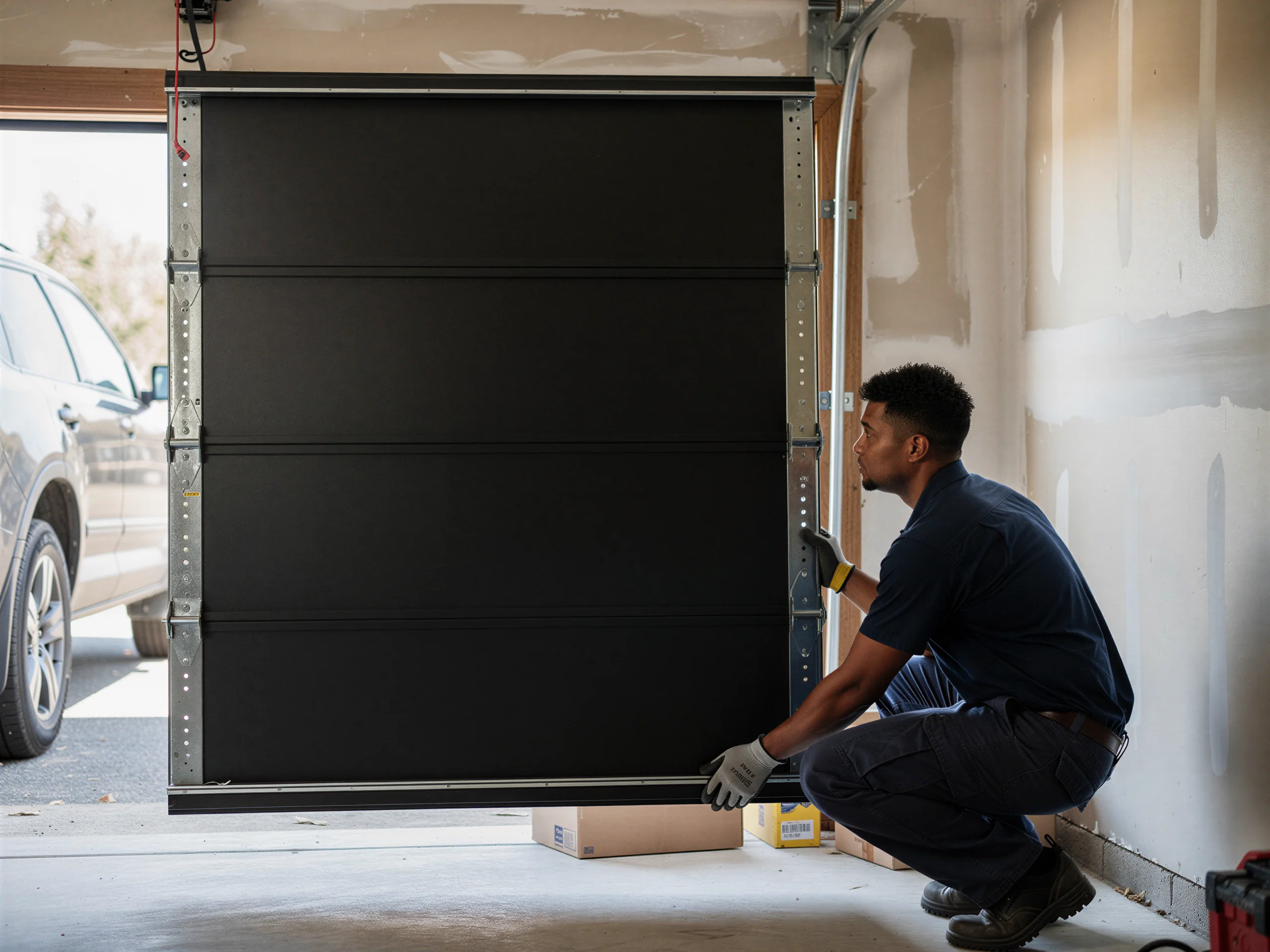
Garage Door Service
Norwalk's median income sits at $98,709 and its homes date to 1957 on average - older stock than most of our service area. Learn more →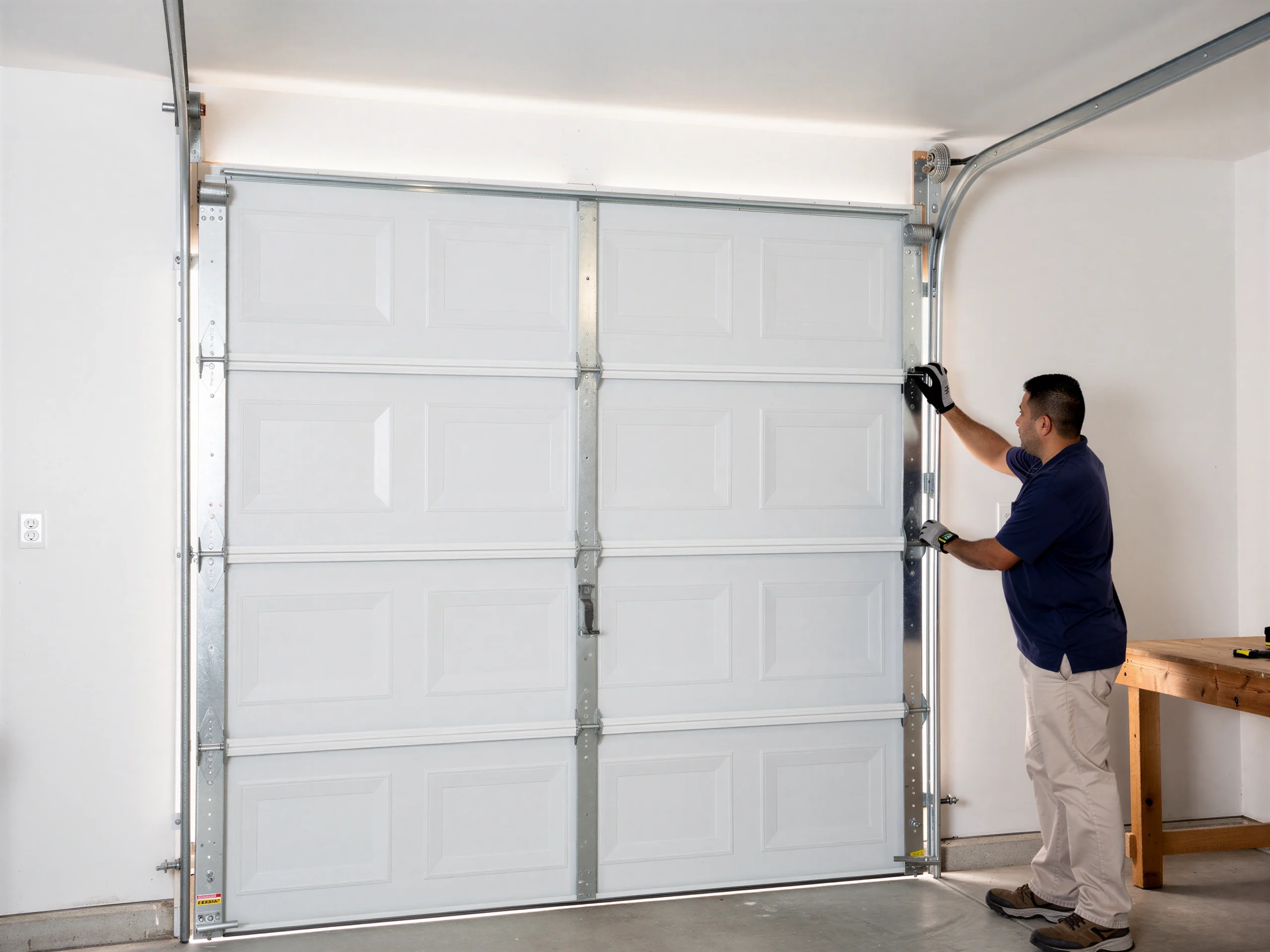
New Door Installation
New garage door installation in Norwalk, CA, built mostly in the 1950s, served by Garden Grove Garage Door Pros 11 miles away. Learn more →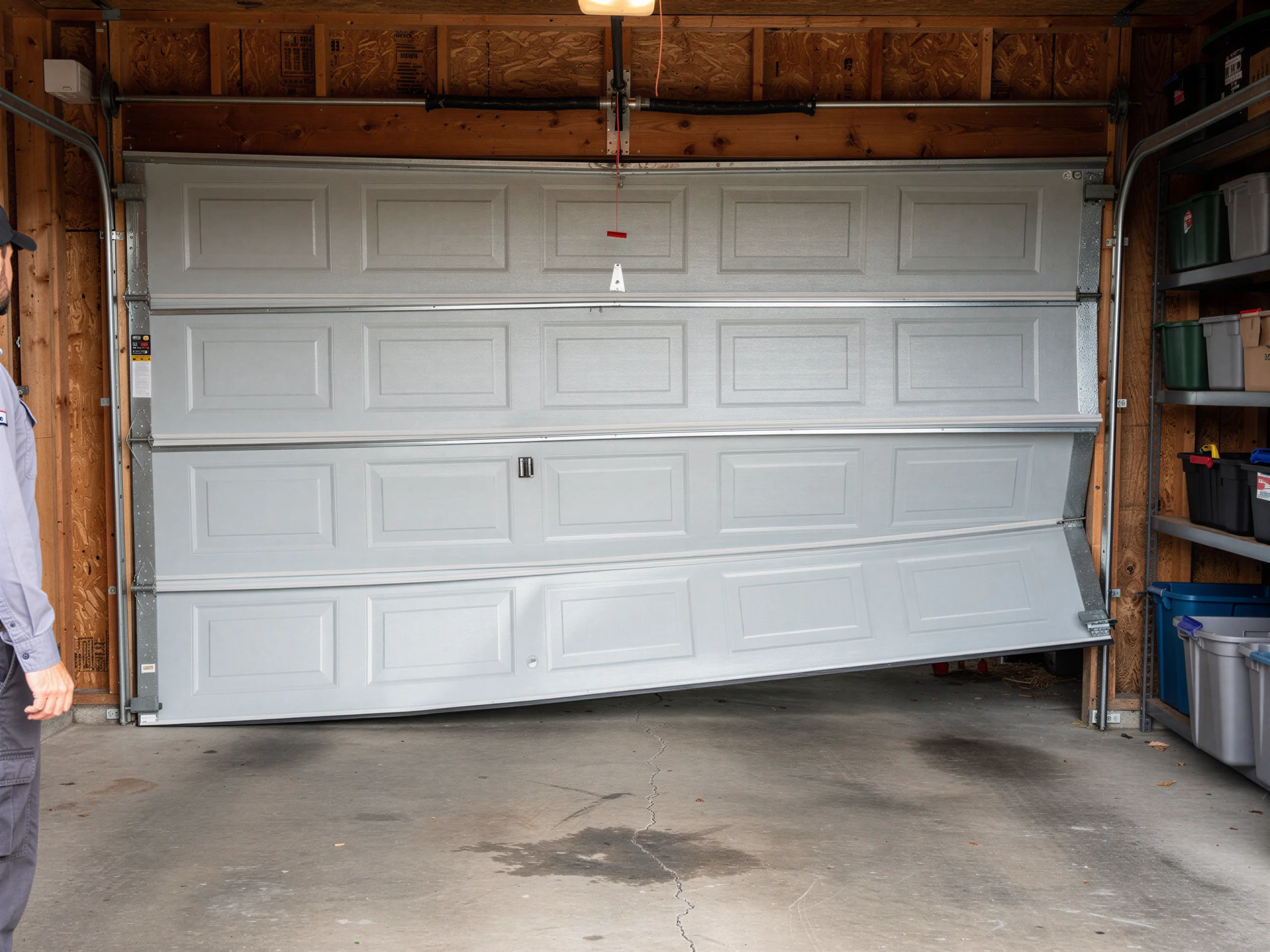
Off Track Repair
Norwalk homes mostly date to 1957, with original track hardware still on many doors. Learn more →
Opener Installation
Norwalk's garage doors mostly date to the late 1950s, older wood-slab doors. Learn more →
Spring Repair
Spring repair for Norwalk's 1950s-era garages, run from our Garden Grove base 11 miles out. Learn more →Ready when you are
Noisy or worn garage door rollers in Norwalk?
Garden Grove Garage Door Pros repairs and installs garage doors, springs and openers in Garden Grove, CA and the surrounding area.